
Home
Aicha: Soraya Bouazzaoui's fierce novel of colonial violence, female rage and Moroccan resistance

Aicha: Soraya Bouazzaoui's fierce novel of colonial violence, female rage and Moroccan resistance
By Shahed Ezaydi, The New Arab, 11 February 2026
Book Club: 'Aicha' is a haunting debut that blends Moroccan folklore, anti-colonial resistance and female rage into a powerful story of grief, love & rebellion
Female rage has always fascinated me as a concept; in TV, film, books, you name it. Rage is seen as a deeply masculine and negative trait, but women get angry, too. And often.
Seeing other women not only feel rage (particularly in the face of oppression) but express it openly and passionately is a catharsis for so many of us, myself included. So, when I came across Soraya Bouazzaoui's debut novel, Aicha, I was already intrigued before I had even turned to page one.
That intrigue turned to obsession as I quickly inhaled the chapters of this brilliant, heartbreaking and rage-inducing story.
Set against the backdrop of the Portuguese occupation of Morocco, this book follows Aicha, the daughter of a Moroccan freedom fighter, who was born and trained for battle.
Over the years, she has witnessed the death of her people, their starvation and torture at the hands of the occupiers, and it has awakened a rage within her. A rage that burns hot and bright, and speaks directly to Aicha's soul.
Only Aicha's lover, Rachid, a rebellion leader, knows how to calm her down. But as the fight for Morocco's freedom reaches a violent climax, the creature that simmers inside Aicha is desperate to be released. She wonders if unleashing the supernatural force that fuels her rage is the key to enacting the revenge she craves so much.
A window into Moroccan history
The story draws on Moroccan history and folklore, where Aicha is a significant 16th-century mythological warrior goddess in anti-colonial resistance.
She had been the daughter of a freedom fighter and battled alongside Moroccan rebels to push the Portuguese out of their homeland.
For the past few years, many of the popular mythological retellings have been based on Greek mythology. Think books like Circe, Ariadne and The Silence of the Girls. So, it's refreshing to see a book divert from this trend and tells a different kind of story.
Fantasy and fiction play a huge role in educating many of us about parts of history we might not be aware of, and that's what Aicha did for me. It's a story that provides a much-needed window into Moroccan history, especially its resistance to the Portuguese colonising forces and the folklore and mythology that developed during that time period.
However, my favourite part about the novel is Aicha herself. She may appear unlikable to some readers, but to me, it's that very unlikability and imperfection that made me warm to her and what she wanted to achieve so desperately for her people.
She feels her emotions deeply and fiercely, and isn't exactly shy or discreet about them. Be that her unwavering loyalty for her people, her burning passion for justice and her boundless love for her family — her sister Samira and her father — and her lover, Rachid.
Yes, she's stubborn, quick to anger and constantly moody, but she also wants to be and do good, even if her methods can be a little reckless. The pursuit of goodness, in contrast to the resistance to succumbing to the creature within her, sits at the heart of Aicha as a character and of the wider story.
Love amidst turmoil
The love and romance between Aicha and Rachid are also beautiful parts of this story. Amid the tension and pace of the plot, the calmness and softness that Aicha reserves for Rachid offer the reader a glimpse of another, more delicate side of her. A side that may seem at odds with how she is with others, but adds to the nuance and complexity of a woman like Aicha.
And Rachid complements her character brilliantly with his quiet but fierce devotion to her and their relationship. It's an important reminder that even during times of war, conflict and violence, people can still find pockets of joy, love and hope in each other.
Aicha is packed with love and rage, but the novel's common thread is grief. Under the Portuguese occupation, there's a collective and national grief for the Moroccan homeland that's been colonised by external forces.
Then there's Aicha's raw and devastating grief for the people she's lost in battle, but also the loss of who she is as a person and her identity as the creature within her takes over.
And it's through this heavy emotion that Aicha poses the question: are monsters inherently evil, or are they a product of grief and being pushed to the very edge until they hit the breaking point? It's a question I found myself pondering long after I'd turned the last page of the book.
Soraya Bouazzaoui's debut is both brilliantly heartbreaking and hopeful, and that's quite a feat to achieve in a single novel.
The author's writing in Aicha makes you feel and embody the heartbreak and grief of Aicha and her people as they battle against a brutal occupation and lose loved ones along the way.
But it also inspires hope in the resistance of a people who, despite the heavy loss and grief, continue to fight to reclaim and protect their homeland — at whatever cost.
Author
Shahed is a writer and editor, specialising in features and reporting on culture, social issues and feminism. She's also the author of The Othered Woman: How White Feminism Harms Muslim Women, which is her debut book.
Disclaimer
The views expressed in this article are those of the author and do not necessarily reflect those of CEMAS editorial team.
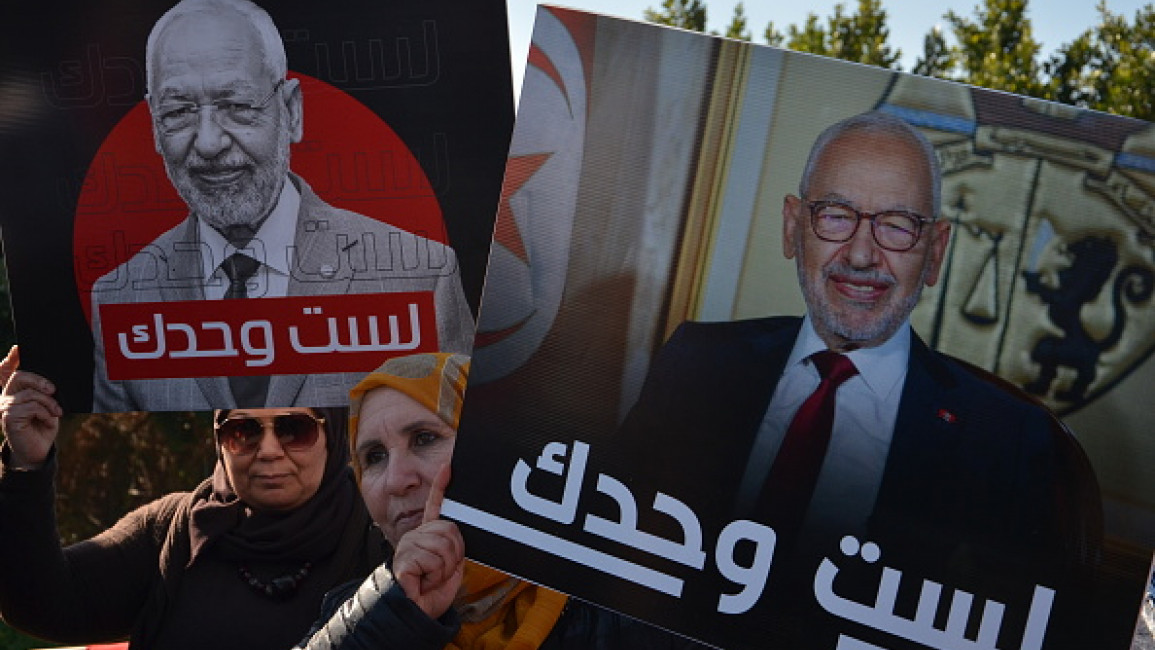
Kais Saied's purge of opponents like Rached Ghannouchi reflects his visionary void
Kais Saied's purge of opponents like Rached Ghannouchi reflects his visionary void
By Bashar Narsh, The New Arab, 26 July 2025
Bashar Narsh says Tunisians are being held captive by one man - Kais Saied - with Rached Ghannouchi's outrageous 14-year jail sentence a symptom of this.
With each day that passes it seems that all hope for a change in any approach to governance from the Tunisian presidency is unlikely to materialise. Nothing is proceeding in line with the aspirations of the long-suffering Tunisian public, which is effectively being held captive to the will of President Kais Saied.
Since launching Tunisia upon a new trajectory on July 25, 2021 (when Saied dismissed the government, froze parliament, announced a state of emergency, and assumed executive authority) he has seized every opportunity to embrace conspiracy narratives as his chosen method of governance. It is also his preferred weapon for eliminating opponents and tightening his grip on the public sphere.
Since that date, numerous cases have emerged under the label "conspiring against state security," with many opposition leaders - including politicians, former parliamentarians, and ministers – now languishing behind bars. The current reality reflects a perilous slide from a democratic revolution to an individual authoritarianism cloaked in populist slogans.
In this context, the recent case known as "Conspiracy 2" marked the latest episode in reinforcing this repressive trajectory. Just a few days ago, the Fifth Criminal Chamber specialising in terrorism cases in Tunisia issued its preliminary verdict in the case, which involved 21 defendants.
The sentences ranged from 12 to 35 years in prison. Among the most prominent figures convicted were former Speaker of Parliament and leader of the Ennahda Movement Rached Ghannouchi, former Prime Minister Youssef Chahed, former Foreign Minister Rafik Abdessalem, and the former Chief of Staff to the President, and Nadia Akacha.
The presidency's recourse to the judiciary, which has increasingly taken on the character of a systematic political purge, is no longer hidden, even from some of the president's own supporters, who have begun to feel uneasy about the sheer number and implausibility of the cases.
The idea that a new conspiracy has been unearthed every two months, or that 14 coup plots have taken place in four years, is not merely a wild exaggeration of threats - it is a troubling sign of the absence of any real political project. Instead, it reflects a pathological security obsession and the systematic use of the judiciary as a tool for revenge and settling scores.
Nor has this growing security obsession stopped at targeting political opponents and dissidents; it now extends to anyone expressing a dissenting opinion, even those who are not directly involved in politics. As a result, journalists, activists, bloggers, and unionists have also been arrested, in what seems a deliberate assault on freedom of expression and public debate. These developments have revived memories of the intense police repression that the Tunisian people rose up against in 2011, when they dreamed of a democratic state that would uphold the dignity and rights of its citizens.
Anyone who has followed Kais Saied's political rhetoric since his arrival at the Carthage Palace will have noticed that it is rarely free of terms such as "conspiracy," "infiltrators," "traitors," and "agents". These terms are routinely used to justify arrests, which the Tunisian presidency is far more keen to pursue than to acknowledge policy failures or review government performance. Worse, this rhetoric is no longer aimed solely at the political opposition - it now targets anyone who voices objections or poses uncomfortable questions, including journalists, activists, university professors, and even judges.
Therefore, expressing an opinion today in Tunisia has become dangerous.
We mustn't forget that the judiciary itself is a victim of the regime's overreach, stripped of its independence and unable to protect itself, let alone defend Tunisians. It is no surprise, then, that people find themselves living in a republic ruled by decrees; a country run according to the whims and suspicions of an individual, rather than a state based on institutions and long-term planning.
What is even more troubling about the situation in Tunisia today is not just the ever-widening scope of repression, but the complete absence of any alternative political vision. Saied, who built his legitimacy on his anti-elite, anti-party, and anti-institution discourse, has failed to present a clear economic project, any tangible administrative reforms, or a coherent foreign policy. Instead, he has relied solely on populist narratives that shift blame onto others and justify failure using claims of conspiracy and opposition.
Meanwhile, as the country sinks deeper into a suffocating economic crisis, the dinar continues to plummet, and unemployment and emigration rates soar, the president's only response to these mounting disasters is to turn to the judiciary - as if arresting Tunisians is the only solution to every one of the country's problems.
Ultimately, the crisis Tunisia faces today lies not only in the malicious authoritarianism of the ruling power, embodied by the president, but also in the lack of any effective checks on power within the political system that emerged after July 25, and the absence of constitutional and legal safeguards following this date that could restrain the presidential authority and open the door to political alternatives.
The 2022 Constitution, imposed through a referendum with low voter turnout, granted the president sweeping powers with no real oversight. It reduced the parliament to a symbolic institution and effectively abolished the principle of separation of powers. As a result, any meaningful return to democracy must begin with a fundamental reassessment of the current constitutional framework.
In light of all the above - and on the anniversary of Saied's "new path" - ushered in on July 25, 2021 - it does not appear that the country is moving towards correcting the course of the revolution, as Saied claims.
Perhaps the most alarming aspect of this trajectory is the growing normalisation of repression (once again) among the Tunisian public and the gradual internalisation of the idea that democracy itself is an unrealistic and impossible-to-achieve luxury. This is the very outcome Saied's regime has sought his self-coup, as it has worked tirelessly to strip the revolution of its symbols, devalue politics as a tool for change, and to pacify society in the name of security and national sovereignty.
Tunisians now stand at a critical crossroads. Either they can accept an authoritarian state cloaked in conspiracy rhetoric, or they can reclaim their agency and return to the democratic path. The urgent question remains: How long will this absurd situation continue? And when will the ruling power realise the futility of its determination to manufacture enemies, and that the real crisis lies not in its opponents; but in its own approach, its policies, and its vision of the state and its people?
Author
Dr Bashar Narsh is a Syrian writer and researcher specialising in international relations. He has written for a number of Arabic-language media outlets including Al-Araby Al-Jadeed, The New Arab's Arabic-language sister edition.
Disclaimer
Opinions expressed in this article remain those of the author and do not necessarily represent those of The New Arab or CEMAS Boards.
Lost in Transition: The Traps of Authoritarian Nostalgia in Tunisia
Lost in Transition: The Traps of Authoritarian Nostalgia in Tunisia
By Nadia Jmal, Arab Reform Initiative, 05 June 2025
1. Introduction
Authoritarian regimes cast a long shadow over citizens, lingering even after their collapse. Enduring legacies significantly influence the cultivation of a democratic political culture in countries undergoing democratic transitions and even established democracies. Authoritarian nostalgia becomes one of the obstacles to the consolidation of democracy.1 This phenomenon is broadly defined as a longing for the authoritarian past. It seems to indicate more than a mere sentimental longing for the "good old days;" it also reflects how political, economic, and social dissatisfaction with the present opens the possibility for backsliding under precarious democratic transition.
In Tunisia, the authoritarian past creeps in as an object of nostalgic longing by both ordinary people and political elites. On the one hand, it has been observed that political parties and figures are returning to embrace Bourguiba's "modernist" legacy and idealizing Ben Ali's economic "miracle." Some political actors associated with the past regime became viable and even acceptable electoral options. Amid a new democracy grappling with economic crisis and political instability, some political actors have leveraged authoritarian nostalgia to legitimize their agendas, gain voters' trust, and secure access to power.
On the other hand, the older generations have been expressing sentiments of nostalgia. Many of them tend to share assessments of the former dictatorship that often emphasize its achievements over its autocratic repression. This seems to confirm the longstanding literature on political socialization that shows higher nostalgia among individuals who grew up under authoritarianism.2
Yet, curiously, this authoritarian nostalgia is not limited just to older Tunisians. Indeed, in research conducted by the Arab Reform Initiative on the political socialization of youth who grew up during or even after the 2011 revolution,3 ) one of the most surprising findings is a growing nostalgia for the Ben Ali regime era—a fondness for a past period that most of them did not personally witness, which they characterize as emblematic of "Amn w Amen" (safety and security), "ist9rar" (stability) and "Haybet el Dawla," (evocative of the nation's prestigious status). These findings may suggest that the affective impact of authoritarian regimes is long-lasting and will not simply disappear as new generations replace the old.
Amidst the current democratic backsliding in Tunisia, we are witnessing a disturbing resurgence of familiar authoritarian practices, with ongoing repression targeting activists, politicians, journalists, and civil society actors. This raises the urgent need to explore the roots of authoritarian nostalgia, particularly its connection to the country's failure to adequately confront and address the roots of authoritarianism.
This paper will argue that authoritarian nostalgia stems from the shortcomings of an unclear break from the practices and politics of the dictatorship era. Furthermore, the persistent presence of authoritarian nostalgia can be attributed to the inability to condemn the legacy of authoritarianism and the lack of awareness of the country’s brutal history. A meaningful transitional justice process was not fully carried out, for various political and structural reasons, and this setback has allowed authoritarian nostalgia to persist.
To explore how this fantasy persists in times of democratic transition, the paper begins by examining the concept of authoritarian nostalgia among the so-called Third-Wave Democracies.4 Next, it situates the latter within the Tunisian context. The following section then investigates how the legacy of authoritarianism continues to be leveraged in the political arena, shaping both political dynamics and agendas. The final part addresses the shortcomings of Tunisia's transitional justice process, particularly how the Truth and Dignity Commission (TDC) missed a crucial opportunity to raise awareness and build momentum among the general public, particularly the youth. The essay concludes with a reflection on the enduring presence of authoritarian nostalgia.
2. Authoritarian Nostalgia and Third-Wave Democracies: An Overview
Citizens experience collective nostalgia for specific political eras in the past, often delineated by significant historical events, such as transitions in administration, elections, or regime changes to a new political system.5 ) One type of political nostalgia looks at a much more significant political change and disconnection in history: democratic transition. For some citizens, democratization is seen as a natural progression in the country's development. For others, such transition is perceived as discontinuity. Those individuals with more favorable views of the authoritarian past may feel nostalgia for the former dictatorship in the post-authoritarian context.6
Authoritarian nostalgia points out some values that were once fulfilled in the past but are no longer upheld in the context of democratization. These values often include economic prosperity, social stability, and national security. In many democratic transitions, the shift in priorities skewed toward institutional and constitutional consolidation of democracy instead of financial growth and security can be met with disillusionment by some citizens. Amid growing frustration with ineffective governments, they view the past dictatorship's achievements as even more impressive, particularly when contrasted with the challenges of the new democratic order.
Rising social inequality, worsening economic conditions, persistent corruption, and the need to navigate new and often challenging conditions, such as political violence and terrorist attacks, can contribute to public dissatisfaction. The perceived absence of tangible improvements leads some to believe that the previous era was perhaps better after all. This perception can also drive some individuals to yearn for a "firm hand" that can restore what is imagined having been the security and stability of the past.
In his classic, The Third Wave, Huntington identified public disillusionment as a significant trend among Third-Wave Democracies. The failure of the new democratic governments to address what he defines as "transition" and "contextual problems" generates feelings of indifference, disappointment, and disillusionment.7 )
Huntington identifies "transition problems," that emerge during the shift from authoritarian to democratic regimes, such as creating new constitutional and electoral systems, revising laws, and dismantling or reforming authoritarian institutions. He highlights that more enduring challenges to democratic consolidation arise from each country's unique "contextual problems", such as communal conflict, regional tensions, poverty, inequality, inflation, external debt, and low economic growth.
When governments fail to address these issues, public disillusionment with democracy often grows, though discontent with a specific government does not necessarily mean the rejection of democracy itself. Huntington also warns that repeated cycles of hope during elections, followed by disappointment with the elected government and renewed hope, cannot continue indefinitely. Over time, this pattern invites broader frustration and disillusionment, ultimately threatening the long-term viability of democratic systems.
Disillusionment with the democratic transition and growing anxiety about the future pave the way for a resurgence of nostalgic feelings about past dictatorships. Various studies indicate the emergence of such feeling is encouraged by a general discontent with the democratic system’s performance, particularly in areas such as the rule of law,8 the economy, public safety, and the provision of public services.9
Survey data on authoritarian nostalgia in Mongolia and the Philippines highlight that many East Asian democracies continue to grapple with "a haze of nostalgia for authoritarianism."10 People are increasingly disillusioned by the gap between the promises of democracy and its actual outcomes. Many citizens feel that progress toward key democratic goals, such as the rule of law, and accountability, has been slow and insufficient.
Some citizens often compare their lives under democracy with the growth-oriented authoritarianism of the past or with the prosperity experienced by non-democratic neighbors, particularly China.11 The economic and geopolitical rise of China over the last decade has tended to set the performance bar for democratic regimes in East Asia at an unreasonable height. Another study on the characteristics of authoritarian nostalgia, drawing on survey data from South Korea and Taiwan, revealed that economic prosperity enjoyed under former dictatorships is central to authoritarian nostalgia.
Participants in this study often attributed economic success to strong leadership and social stability. Citizens have also shared assessments of former dictatorships that often emphasize their political and social achievements over their autocratic repression.12 For instance, Lee Myung-bak won the 2007 presidential election by mobilizing the memory of South Korea’s economic miracle under Park Jung-hee’s leadership and pledging to revive the national economy.13
Authoritarian nostalgia cuts across generations and can be found among youth who did not experience the dictatorship firsthand.14 ) Youth are likely to have both higher expectations of democracy and less information about the costs of authoritarianism, which may lead to feelings of nostalgia.15 Lacking direct experience, they may develop biased views of political life under authoritarianism. When their expectations go unmet, frustration with democratic governance can lead them to view authoritarian alternatives more favorably.
Research has revealed rising "communist nostalgia" in Central and Eastern Europe. The findings suggest that communist nostalgia is not only a result of political socialization under communism.16 Among young respondents born after the collapse of the Soviet Union, communist nostalgia emerges as the result of distrust, disappointment, or a combination of both, in the democratic system's ability to produce socio-economic output.17
Similarly, in sub-Saharan democratizing countries, like Mozambique, Mali, and Madagascar, it is primarily the youth who are more supportive of authoritarianism, particularly because they have not experienced authoritarian constraints.18 In Tunisia, there is also a sense of nostalgia that views Ben Ali as a strongman who cared for the poor while primarily oppressing the wealthy, ensuring decent living conditions for the "zwewla" (the poor).19 Another common belief is that the generation that lived under the dictatorship was the "golden" and "prosperous" generation, considering that period as one of comfort, marked by stability and safety. While these perspectives are biased, they reflect the values the youth hoped to attain during the democratic transition.
3. (Un)breaking with the Past: Tracing the Roots of Authoritarian Nostalgia in Tunisia
3.1 An Illusionary Stability: The Mythology of Ben Ali’s Economy
Tunisia had long been viewed as a stable and unremarkable country that drew little interest from researchers. Jocelyne Dakhlia describes it as "Le Pays Sans Bruit" (Noise-free country) in her book on the Tunisian revolution.20 Ben Ali's dictatorship meticulously crafted this external image while adopting strategies of "authoritarian upgrading".21 For years, Tunisia's financial partners, including the World Bank, the International Monetary Fund, and the European Union, projected an image of an economic "miracle" performed by the Tunisian government.
However, the revolution has revealed a dark side, marked by unemployment, limited access to the labor market, income inequalities, and significant regional disparities.22 Economic reforms were only desirable as long as they did not undermine the country’s stability and the regime’s power.
In the 1990s, Tunisia implemented advanced market-oriented policies as part of economic reforms supported by the International Monetary Fund and the World Bank. These reforms were part of the Structural Adjustment Programs (SAPs), which aimed to open the economy, reduce government intervention, and encourage private sector growth. This new economic approach was paired with innovative social protection measures aimed at lessening the negative impacts of SAP on the lower and middle classes.23 )
Introducing social protection institutions such as The Tunisian Solidarity Bank and the National Employment Fund led to greater state involvement and oversight in both the political and economic spheres. The tacit social contract between the regime and the Tunisian people rested upon political repression in exchange for social benefits. Such institutions created clientelistic relationships with vulnerable groups in society primarily through social transfers.
These transfers were payments or benefits provided to individuals or groups in exchange for their support and loyalty. Using the mechanism of authoritarian bargain represented an informal agreement between the state and society where economic benefits were often traded for political loyalty.24 In so doing, the state strengthened its influence over these groups, making them reliant on the government's assistance.
Ben Ali was keen on making his economic reforms not only palpable to the lower classes but also for the middle classes. For the urban middle class, the thriving economy was reflected in individual financial success and reaching a decent standard of living. The rise of consumerism along with the facilitation of credit enabled many Tunisian families to expand their purchasing power. As Baccar Gherib notes: "The middle classes are omnipresent in political discourses.
They represented, in effect, an essential piece of the rhetoric of Ben Ali’s regime in his strategy of self-legitimation."25 The continued expansion of the middle classes was synonymous with the stability and homogeneity of Ben Ali’ regime. The regime made sure that the well-being of this segment of society was instrumental to the image of his rule.
As political repression intensified and economic challenges mounted, the regime increased its efforts to manufacture stability and promote Tunisia's image as a progressive and crime-free country, domestically and internationally. The international acknowledgment of the Tunisian "economic miracle" was crucial in sustaining the Tunisian government's authority. The wide dissemination of such discourse from foreign allies also enhanced Tunisia's global reputation, facilitated the attraction of financial aid, and, most significantly, bolstered the government's legitimacy domestically.
A key part of this narrative was the image of Tunisia as a safe country where crime was almost absent under Ben Ali’s strong rule. But this sense of safety was built on an apparatus of surveillance and state propaganda. Behind the myth of Tunisia’s success story, a vicious police state was operating that weighed heavily on dissidents and everyday Tunisians.
The Ben Ali dictatorship carefully built an image of his rule as a source of security, stability, and economic growth by relying on authoritarian upgrading, a strong police state, state propaganda, and unwavering support from international actors who turned a blind eye to the crimes of the regime. However, his legacy still evokes a proud claim to a mythical past ingrained in the Tunisian imagination, in which many did not have the proper chance to learn about its brutal repression.
Today, many young people still describe his era as "Amn w Amen" (safety and security), oblivious to the reality of his dictatorship that should have been common knowledge after the revolution, particularly with the transitional justice process. His authoritarian legacy remains like a stubborn wound that refuses to heal.
3.2 The Black Decade: Tunisia’s Struggle for Democracy
The democratic transition in Tunisia was characterized by a cacophonous process, including economic stagnation, political fragmentation, and social unrest. The term "3ashriya Sawada" (black decade) began as an expression of frustration but gradually evolved into a defining narrative of the transition. Over time, many Tunisians began to view this period as one marked by failure rather than progress. The disillusionment with the transition, coupled with the enduring influence of authoritarian legacies, has fueled the rise of nostalgic rhetoric in politics.
Despite important milestones in the transition to democracy, the economy has been in turmoil, with soaring unemployment rates, a widening trade deficit, and a rapidly devaluing national currency. Socio-economic justice is way out of reach, although economic demands preceded political slogans during the Tunisian revolution.
Protesters primarily called for improved living conditions, with the slogan "Employment, Freedom, Dignity," emerging as a powerful symbol of the grievances in Tunisia’s marginalized regions. In 2011, 72% of Tunisians believed the revolution was beneficial for their country, but by 2014, this number dropped to 31%, with the concerns about the economy remaining their top concern.26
Beyond economic stagnation, Tunisia’s democratic transition was undermined by political instability. Widespread popular disillusionment of the political elite has persisted post-2011. The political scene was characterized by a central cleavage between Ennahdha, a religious conservative camp, and Nidaa Tounes, representatives of a "modernist" view focusing on preserving the secular nature of the post-colonial Tunisian state. The divide was exacerbated by the assassinations of two leftist politicians, Chokri Belaid, in February 2013, and Mohammed Brahmi, in July of the same year.
Political clashes between Islamist and secular forces escalated, leading to a fragile compromise around the 2014 Constitution. The consensus helped Tunisia’s democracy progress and brought international recognition. It also weakened the ability of major parties to represent their supporters effectively as political competition lost its substance.27 ) In addition, the governments emerging from the 2014 elite compromise proved unable to address the root causes of the country’s economic malaise. Therefore, many Tunisians began to disengage from conventional politics.28
In parallel, figures from Ben Ali's regime successfully organized within political parties. While Essebsi established Nidaa Tounes and brought together several former figures from the old regime under a Bourguibist umbrella, Abir Moussi, the former Deputy Secretary General of the now-dissolved Democratic Constitutional Rally (RCD), Ben Ali's ruling party, founded the Free Destourian Party (FDP), openly calling for restoration.
Parties like Nidaa Tounes and the FDP exploited the political significance of authoritarian nostalgia to gain legitimacy and electoral support by embracing and leveraging the legacies of Ben Ali and Bourguiba. Both parties drew on the past achievements of economic prosperity, policy promises, and national security, contrasting them against the challenges of democratization, which were marked by an economic crisis, political instability, terrorism, and widespread corruption. The democratic transition was fragile, as the new governance system struggled to establish stability, while authoritarian structures and practices remained surprisingly resilient.
On the one hand, Tunisians saw little real progress on the issues that had sparked the 2011 revolution. On the other hand, many of the same old elites have remained and brought back the authoritarian practices they embodied. Terrorist attacks and oppressive practices, including arbitrary arrests of protesters, police brutality, and the surveillance of dissenting voices, persisted following democratization.29 This environment has allowed nostalgic rhetoric to grow alongside narrow nationalism and illiberal stances.30
Tunisia is not the only country that has experienced authoritarian nostalgia. However, the unclear break with the legacies of the past has made it particularly vulnerable, as the lingering influence of former regimes continues to shape political discourse and public sentiment. Over the years, many Tunisians have continued to adhere to the narrative that the country needs a strongman as a viable solution to solve its problems, believing a "firm hand" could restore what they feel is lacking in the present.
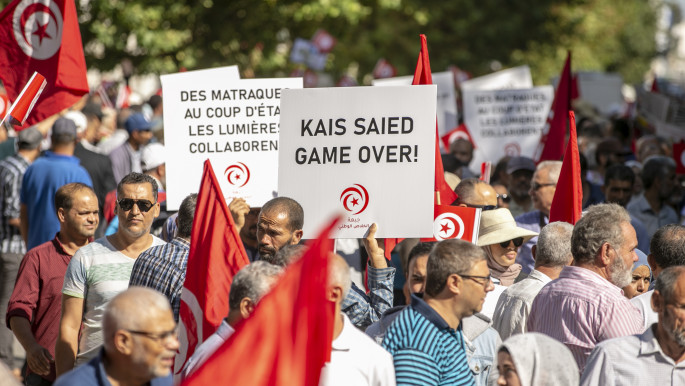
This can be partially reflected in the support that some Tunisians provided for Kais Said’s coup, celebrating the man who is seeking to save the country from a triple economic, political, and health crisis (COVID-19). This narrative continues to influence the Tunisian population. More recently, data from Afrobarometer have revealed a noticeable shift in public opinion, with a significant decline in the rejection of dictatorship from 78 percent in 2013 to 48 percent in 2024. Similarly, the preference for democracy over any other system has dropped from 71 percent to 54 percent over the same period.31 The following data highlights that cynicism toward democracy is at its highest today as the country falls back into authoritarianism.
4. The Scope of Authoritarian Nostalgia: Understanding Its Outcomes
4.1 Authoritarian Nostalgia and the Role of Authoritarian Successor Parties: The Cases of Nidaa Tounes and the FDP
Nostalgia for the dictatorship era was not simply a popular feeling that "things were better under Ben Ali." On the one hand, the "fairy tale" perception of Tunisia under his rule was contrasted with the many difficulties of the democratic transition, leaving Tunisians disappointed with the current state of affairs. On the other hand, certain political parties leveraged authoritarian nostalgia to appeal to their supporters' longing for the perceived stability and order of the past.
Nidaa Tounes and the Free Destourian Party (FDP) are examples of Authoritarian Successor Parties (ASPs). According to Loxton, these parties originate from authoritarian regimes but operate in a democratic system, often led by high-ranking former regime officials.32 Abir Moussi founded the conservative, anti-Islamist, and ultra-nationalist FDP after serving as Deputy Secretary General of Ben Ali’s dissolved Democratic Constitutional Rally.
Nidaa Tounes was created in 2012 by Essebsi, a former official under both Bourguiba and Ben Ali. Like other ASPs, both parties built their support by invoking and embracing the legacies of dictatorships. They contributed to authoritarian regression, preserved elements of the old regime, and obstructed transitional justice.33
ASPs adopt specific strategies to embrace the authoritarian past since the electorate typically disapproves of their origins and may be reluctant to support them. They rely on two key elements: authoritarian baggage and authoritarian inheritance.34 The authoritarian inheritance refers to the assets that parties inherit from an authoritarian regime, which can be leveraged for electoral success.
They can be material resources, political experience and formation, clientelistic networks, and a record of achievements. Meanwhile, authoritarian baggage is the liabilities these ASPs carry from the past, potentially ruining their electoral prospects, including human rights violations, and corruption.35 To gain support, party leaders must find ways to reduce the drawbacks of their authoritarian baggage while maximizing the advantages of their authoritarian inheritance.
Moussi emphasized the authoritarian inheritance by portraying Ben Ali's rule as decades of "stability" while minimizing the regime's wrongdoings. She built her party brand around his achievements, including economic growth, national security, and order, particularly as the new democracy's performance was seen as disappointing in these areas. She constantly vowed to bring back these lost values. She promised to tackle terrorism, revive the economy, and foster political stability.36
This narrative resonated well with other ex-regime nostalgics and other citizens whose hopes for a better life under democracy remained unfulfilled. Moussi's approach to embracing the past relied on the mythologized legacy of Ben Ali’s regime, which strengthened her party's appeal among many Tunisians.
Beyond her anti-Islamist agenda, Moussi supported a range of policies that threatened Tunisia's fragile political balance and were reminiscent of Ben Ali's dictatorship. Her party supported a draft law seeking to expand legal protections for domestic security forces and customs officers in 2015. Moussi has effectively positioned herself as a political advocate for the police unions. Her unwavering support for these unions, coupled with her party's dedication to upholding a strong police apparatus, signals a return to strategies from the previous regime, where the police were viewed as "a symbol of corruption, repression, and nepotism, essentially, a symbol of the regime itself."37
Nidaa Tounes took a different approach than the FDP in embracing the legacies of the past. Their strategy involved distinguishing between a "good" dictator, whom the party embraced, and a "bad" dictator, whom it denounced. Although the party acknowledged the ugly aspects of the former regimes, it blamed them entirely on the "bad" dictator.38 Essebsi sought to distance himself from the disgraced Ben Ali, while his party openly embraced the legacy of Bourguiba.
To highlight its connection to "Bourguibism," Essebsi launched his victorious 2014 presidential campaign before Bourguiba's mausoleum. The Bourguiba nostalgia was at the core of Nidaa 's political campaigning. They glorified his "mythology" to legitimize their claims to power. They championed his discourse on "modernity" and claimed it as a continuous tradition passed on to them. They also considered themselves as the only protector of this legacy against the threats of the Islamists. Hence, they represent what they consider the "true" and "authentic" Tunisian identity.39
Although Nidaa distanced themselves from Ben Ali’s dictatorship, they still relied on his authoritarian inheritance. The party reunited several "azlems" (old-regime figures) and inherited extensive pre-existing networks that spilled over from the authoritarian period. They represented important assets that provided the party with financial and political influence.
In return, Essebsi's call to end "digging in the wounds of the past and move on,"40 which endeared him to these senior figures from the Ben Ali regime, was a clear indication of his unwillingness to deal with the authoritarian legacy of both Bourguiba and Ben Ali. It is important to consider that such actions, while not explicitly authoritarian, have contributed to fostering a broad sense of impunity for the elites and institutions of the old regime, thereby hindering transitional justice efforts.
As ASPs, both FDP and Nidaa Tounes embraced, loudly and proudly, the accomplishments of the former regimes and emphasized the contrast between the supposedly ideal state of affairs when that previous regime was in place versus the dysfunctions of the democratization process. The Ben Ali era became associated with strong leadership and "stability," Bourguiba's rule was defined only by his anti-colonialism fight and modernizing efforts. The figure of an authoritarian leader often gains appeal in times of instability, evoking admiration and nostalgia as some Tunisians hope for a strong leader who" gets things done."
However, the survival and reconversion of an important part of the authoritarian political elite and bureaucracy have had significant repercussions on the democratic transition, which provided Tunisia with an elite whose loyalty to the new democratic regime was questionable. Both parties illustrate the shortcomings of an unclear break with the institutions and politics of the days of dictatorship, contributing to authoritarian backsliding and obstructing transitional justice.
4.2 Transitional Justice and Democratization Nexus: A Missed Opportunity
4.2.1 Internal and External Factors: The Limitations of the TDC Impact in Tunisia
Tunisia’s efforts at truth-seeking and memory preservation were limited, allowing authoritarian nostalgia to take root. While the transitional justice process in Tunisia was tasked with establishing what happened and who was responsible for past abuses, and with pursuing goals such as truth-seeking, memory preservation, and accountability, its impact was short-lived due to political, structural, and institutional challenges.
Public support for, and engagement with, the transitional justice process was also limited. The Truth and Dignity Commission (TDC) missed a crucial opportunity to connect with the public, especially young people, in meaningful ways that could have encouraged critical reflection on their understanding of the authoritarian legacies. This section will deal with the limitations of the TDC, focusing on the overburdening of the Commission, the internal friction within it, and the political nature of the transitional justice project.
Internal factors
In December 2013, the National Constituent Assembly (NCA) of Tunisia adopted the Organic Law on Establishing and Organizing Transitional Justice Law (TJ Law). The TJ Law allowed the creation of the TDC to investigate and expose human rights abuses from 1955 up to 2013. On 24 June 2020, the TDC’s final report was finally published, six years after the Commission began its work. The TJ process suffered from significant limitations internally and externally which impacted on the work of the Commission reaching its goals.
The TDC is the institution where we can best observe the mismatch between expectations and capacities. In its mandate to address almost 60 years of repressive rule and human rights violations, the TDC investigated human rights abuses, including civil and political rights violations, as well as vote rigging, corruption, embezzlement, forced migration, etc. Including economic crimes was an important innovation and addressed the issues of unemployment, corruption, and economic marginalization that partly drove the revolution.41
However, it was a very ambitious mandate, supported by international transitional justice professionals and domestic partners. The holistic approach to the transitional justice process was not necessarily the most suitable for the Tunisian case. Transitional justice practitioners overlooked the limited capacity of the newly established political and transitional justice institutions, which slowly became overburdened with the work they aspired to complete especially without sustained political support.42
For instance, TDC indicated in its final report that it received a large number of complaints with issues related to corruption from both public and governmental institutions. However, it declared there was not enough time to investigate all of them. Although the TDC was able to carry out arbitration procedures and a public hearing on corruption, it was not able to conduct other key tasks, most importantly the investigation of corruption cases for prosecution in the Specialized Criminal Chambers.43 )
There were internal problems throughout the TDC’s mandate, including power struggles among the commissioners and accusations of undemocratic leadership.44 These internal frictions slowed down its consolidation, leading to a perception of a further delay in transitional justice activities. The TDC began with 15 truth commissioners, some of whom immediately resigned without ultimately being replaced. This influenced its future operations as well as the public’s perception of its performance.
External Factors
The political landscape in which the TDC was to perform its work was far from ideal. Attempts to ease political tensions and promote compromise significantly influenced the decision to abandon the original vision of the transitional justice process.
With many old-regime figures back as elected MPs, as well as Ennahdha’s participation in so-called "national unity governments," support for the transitional justice project as it had been passed by the NCA faded. With the possibility to open investigations against politicians and businessmen and construct alternative visions of Tunisia’s past, the TDC posed a challenge to Nidaa Tounes, which benefited from obstructing the transitional justice process. President Essebsi’s attitude toward the TJ process could be summarized in one statement: “We must leave the dead alone.”45
He started to oppose the TDC, questioning its neutrality. His party voiced intense hostility toward the TDC, using anti-Islamist rhetoric and accusing it of being a political agent of Ennahdha. The victims of past abuses were being grouped and seen as supporting one political camp over another. They were perceived as political players. This discourse compromised not only the work of the Commission but also how the population viewed the victims.46
The hostilities continued by obstructing the TDC's access to the archives of the presidency and interior ministry, accusing it of partisan loyalties, and constructing parallel political and legal channels of transitional justice.47 ) This was evident in the 2015 Economic Reconciliation Bill (later renamed the Administrative Reconciliation Act), which proposed to forgive economic crimes and corruption committed by civil servants and businessmen under the previous authoritarian regimes in exchange for closed-door confession and paybacks.48
The logic behind economic reconciliation was described as a project that "seeks to achieve accelerated transitional justice, specific and appropriate to economic issues."49 On various occasions, Essebsi insisted on calling for “national reconciliation” among all Tunisians. There was a strong emphasis on the language of reconciliation using it in a sense that implies there was no further need to pursue transitional justice. Reconciliation was sometimes discursively used by political actors in order to suppress quests for change and accountability.50
Ennahdha was somehow ambivalent about the law. Its support for transitional justice has not been linear. Ironically, Ennahdha had initially had an interest in seeking accountability but later started collaborating with those they had wanted to see held to account and slowly abandoned pursuing accountability to secure its political interests and alliances.
Ennahdha sought to limit the impact of the TDC after being accused of political violence by the independent Commission Defending Brahmi and Belaid, which had been initiated by members of the opposition parties, The Popular Front in particular, to investigate the assassinations of the two leftist politicians in 2013. At the same time, Essebsi repeatedly stated his willingness to take legal action based on the Commission’s findings, especially when tensions with Ennahdha were high. In response, Ennahdha shifted its position on transitional justice from calling for criminal persecution of the human rights violators under the ex-regimes to a plea for general reconciliation.51
Although an amended version of the Reconciliation Law was eventually adopted by the Assembly of Representatives in September 2017, the Bill did not go unchallenged. The Manish M'sameh (I Won't Forget) social movement viewed it as signaling a renewed alliance between the old-regime figures and the state. They also opposed the efforts of political elites to force a sense of reconciliation and unity instead of pursuing accountability. They built a campaign where they organized more than eighty protests and demonstrations, on top of various petition signings, seminars, press conferences, media appearances, and cultural events to oppose the Bill and its various iterations.
The TDC faced significant internal challenges, including conflicts among its commissioners and being overwhelmed by its holistic approach. However, its main hurdle was the politicization of its work. Its role shifted from a constitutional mechanism to a political tool, largely due to the power struggle between Nidaa Tounes and Ennahdha. Essebsi reluctance to fully engage in transitional justice processes allowed him to maintain a system that favored the elites and power structures of the past but also prevented society from fully breaking away from its authoritarian past.
The undermining of the transitional justice process continued beyond the passing of the administrative reconciliation law. It manifested in the government’s inaction and delaying tactics, such as not publishing the TDC’s final report, not enforcing the presence of the accused at the trials of the specialized chambers, and delays in setting up the Dignity Fund.52 Memorialization initiatives were also limited in both number and scope.
4.2.2 Truth-Seeking and Memory Preservation: Falling Short and Enabling Authoritarian Nostalgia
Despite the setbacks the TDC met in Tunisia, the truth-seeking process has resulted in a significant collection of testimonies, reports, and recommendations. However, its ability to shape collective memory and challenge nostalgia for authoritarianism has largely been unfulfilled due to the lack of subsequent institutional actions, such as prosecutions, reparations, memorialization, or education reforms. For instance, public hearings provided an important insight into past atrocities, and some efforts for memorialization occurred.
Nonetheless, many young Tunisians are still unaware of historical injustices. The government's failure to update educational curricula has restricted the younger generation's access to accurate historical accounts. This highlights the need to reflect on missed opportunities to promote truth-seeking and memory preservation in Tunisia, particularly through the limited outreach of public hearings and the complete absence of educational reform.
Public Hearings: Missing Outreach Strategy
The TDC and the Tunisian state failed to fully comply with the memory preservation mandate outlined in the transitional justice law. The lack of full commitment to these objectives hindered efforts to solidify the truth-seeking process. In Article 1, the TJ Law mentions the importance of preserving and archiving collective memory. It details in Article 44 that the TDC is responsible for uncovering the truth, ensuring accountability, and promoting memory preservation. Its role is to "take all the measures" and "carry out the necessary activities" and, at the end of its work, "entrusts all of its documents and records to the National Archives or to a preservation institution of national memory created for this purpose"53 )
The same goes for the state's role, as outlined in Article 5 of the TJ Law, which states that memory preservation is "a duty that the state and all its institutions or those under its supervision should carry out to learn lessons from the past and commemorate the victims."54 However, in both cases, the law has not asserted the scope of this "preservation" or the sanctions for failing to implement them.
Due to internal challenges, the TDC directed its communication strategy to mitigate damage to its public image. Adverse media scrutiny and the intense political landscape made it difficult for the Commission to build a clear outreach strategy to increase public engagement during public hearings and beyond. The TDC's public hearings took place at the end of 2016, as a symbolic and collective act of remembrance. They captured the public's attention, mainly through victim’s testimonies that revealed the reality of state violence and human rights abuses.
The first public hearings were live streamed on national television and available online in different languages. Over the following months, several public hearings took place nationwide. Some sessions focused on issues like sexual violence, online activism, and corruption. By addressing a broad spectrum of violations and involving victims from different generations and ideological backgrounds, the TDC’s public hearings engaged diverse segments of Tunisian society and allowed for greater public awareness of the injustices committed.
Despite the initial success of the public hearings, momentum faded, and activities related to memory preservation took a backseat during the remaining period of the TDC's work, especially since the scope of what "preservation" means was not specified in the TJ Law. Memory efforts also weakened as political tensions persisted. Efforts to engage the broader population – particularly youth – in learning about and reflecting on Tunisia's dark history were lacking. This challenge exposed the TDC's lack of a clear and intentional outreach strategy during and beyond the public hearings.
In this context, outreach refers to a combination of tools, materials, and activities that a truth commission uses to establish direct communication with affected communities and extend the burden of the responsibility to the general public to join a space of reflection. It is a two-way process: While the TDC shares information, it also opens a space for public feedback and participation. Essentially, public support and interest in the truth-seeking processes cannot be taken for granted.
Public hearings in Tunisia were an important opportunity to confront its painful past – the ability of victims to share their testimonies and be officially acknowledged. Yet, the TDC failed to prioritize effective outreach strategies, leaving the public as just a passive viewer at such an important event. What was missing was a more participatory transitional justice mechanism that relied on the active engagement of groups and individuals mobilizing for justice.
Youth-led and bottom-up efforts should complement official TJ mechanisms, yet the TDC missed the chance to include young people in its truth-seeking process and foster a more critical understanding of the legacies of the past. Without a proper understanding of the dictatorship's legacy, the younger generation is more susceptible to falling into the trap of authoritarian nostalgia.
Ignoring the Past: The Lack of Educational Reform in Tunisia
Educational reform went unheeded after the TDC published its final report. A key recommendation was to integrate Tunisia's history of human rights violations into the curricula, which the Minister of Education has yet to implement. Reforming the education system requires significant political and financial investment and, even under the best circumstances, a great deal of time. This lack of prioritization is an important indicator of the government's reluctance to fully engage with the recognition and non-repetition of the past.
The role of the TDC in advocating for educational reform was also weak. Transitional justice commissions like the TDC are typically temporary, and the end of their mandate means they may not have full control to ensure that their final report's findings are well-disseminated, and their recommendations are properly implemented. It is crucial to consider what will happen when their mandate ends and how to extend the impact of their work beyond that point.
In many cases, commissions plan "legacy programs" in advance that will be implemented after the end of their mandate, often through partnerships with civil society and government institutions.55 Unfortunately, the TDC did not establish relationships with the education sector and civil society to sustain the work of memory preservation after its mandate was complete.
Following the shift toward consensus-based politics in 2013, the governance model prioritized stability and reduced division by focusing on national unity. This approach extended to the education sector as the Ministry of Education decided not to revise the curriculum to reflect the 2011 revolution and Tunisia's democratic transition without a unified narrative. Students continue to receive the same civics education as during the Ben Ali regime. Meanwhile, some teachers rely on individual efforts to address the revolution and its aftermath based on their perspectives.56
In this case, Tunisian history textbooks also continue to propagate the same outlook of the past even after the revolution, which is the case in Bourguiba's biased portrayal. Bourguiba is mentioned sporadically in lessons focused on the struggle for independence and the state-building process following 1956.57
A one-sided narrative described him as the sole architect of Tunisia's success, emphasizing his role as a strongman who alone achieved progress, overlooking the repression and systematic persecution faced by his opponents. Different measures Essebsi imposed reflect an effort to further reinforce Bourguiba's legacy in the public sphere. This includes the policy mandating that teachers spend an hour on 6 April discussing Bourguiba to mark the anniversary of his death. 58
Education has a vital role in helping young people come to terms with an abusive past. It enables them to examine history and its lasting impact on the present. During authoritarianism, the manipulation and distortion of textbooks became a tool to legitimize repression and reinforce narratives that were beneficial to the regime. This was the case in Tunisia.
For example, Bourguiba's portrayal in textbooks was ambivalent and biased, leaving an ambiguous image of his legacy in Tunisians' collective memory, especially that of the youth. Political parties and elites capitalized on these memory gaps to craft a narrative that suited their agenda, often invoking authoritarian nostalgia. The absence of educational reforms was intentional, as policymakers and political elites largely avoided reforming the textbooks. The lack of political will to address the past aligned with their interests, as confronting the truth would challenge the narratives they seek to promote.
5. Reflections and Conclusions
The democratic transition opened a Pandora’s box of unexpected challenges. The complexity of the transition, its successes, failures, promises, and disappointments, led many to feel nostalgic for an idealized version of the past. As Reed aptly notes, “Nostalgia for then does not and cannot exist unless in dialogue with a deeply unsatisfactory now.”59 Authoritarian nostalgia serves as a "coping mechanism" in the face of major economic, social, and political upheavals, reflecting a desire for predictability, stability, and control. However, it often glosses over the darker aspects of the past. Sensationalized political narratives may have had an important influence in shaping such nostalgic perspectives among some Tunisians.
Some young people who were not yet adults before 2011 may view previous dictatorships as the "good old days." Their perceptions of the past are heavily influenced by their present experiences and the current performance of the government and its institutions. Indeed, while working on democratic transition in Sub-Saharan Africa, Ifkovits demonstrated that youth may claim to support authoritarianism because they did not live under it. And because they have not experienced authoritarianism, they are likely to have both higher expectations of democracy and less information about the costs of authoritarianism.60
The same goes for Tunisian youth, who, disillusioned by a democratic transition that failed to deliver the security, stability, and economic prosperity they had hoped for, feel let down by the promises of democracy and may look favorably upon the past dictatorship – an oppressive system that many never had the opportunity to fully learn about.
The challenge is how to forge unifying, pragmatic but also pluralistic narratives that can acknowledge the past without it becoming a trap, while also looking toward the future with an awareness of both past errors and accomplishments. This dilemma is where the role of transitional justice could have been crucial. Truth-seeking and memory-preservation efforts are indeed an essential opportunity for many countries to confront their painful past and learn from it as a guarantee of non-repetition. It is important to document the testimonies of victims and their families, hold those responsible to account, as well as challenge the systems of power and privilege that contributed to the violations.
Although Tunisia’s approach to transitional justice was carefully planned and internationally commended for being inclusive and comprehensive, the newly established political and transitional justice institutions were overburdened by the amount of work they had to do in line with the holistic approach. With further shifts in power and political preferences, the TDC increasingly faced challenges from the political sphere, undermining its authority.
Slowly, the goal of accountability was increasingly abandoned in favor of political agendas. In addition, internal friction between TDC members themselves also hindered their performance and the image of the Commission.61 While the TDC was able to reach some milestones despite the harsh political and media scrutiny, including the implementation of public hearings, and the publishing of the final report, among others, it failed to raise public awareness and facilitate a process where citizens and young people reconsider their roles toward structural inequalities and legacies of violence that continue to exist today.
The construction of nostalgia is always built upon the back of its opposite, forgetting.62 Tunisia finds itself trapped in a "rough, cacophonous rhyme,"63 where it echoes the very past it seeks to escape. While there is no agreement on how best to confront the past, there is a shared recognition that the legacies of authoritarianism cannot be simply swept under the rug. The truncated transitional justice process, which was limited by a range of factors, including political expediency, allowed false narratives about the authoritarian regime to flourish in public perception and be perpetuated by key political elites, and this, in turn, created a threat to democratic consolidation that has become evident in the current state of affairs.
Endnotes
↑1 Sjoerd de Leeuw, Roderik Rekker, Rachid Azrout and Joost van Spanje, “A Matter of Nostalgia: How Authoritarian Traditions Shape the Distribution of Democratic Support on the Left-Right Dimension,” paper presented at the European Consortium for Political Research (ECPR), 2018.
↑2 Natasha Lindstaedt, Democratic Decay and Authoritarian Resurgence. Bristol, UK: Bristol University Press, 2021.
↑3 See Malek Lakhal and Nadia Jmal, “Tunisian Youth Perceptions of Authoritarian Restoration: Withering Support to Democracy”, Arab Reform Initiative, April 2024, available at https://www.arab-reform.net/publication/tunisian-youth-perceptions-of-authoritarian-restoration-withering-support-to-democracy/ (Lakhal and Jmal, Tunisian Youth Perceptions
↑4 The Third Wave of Democratization refers to the global trend towards democracy that began in the mid-20th century, particularly after the end of the Cold War. It began with the 1974 Carnation Revolution in Portugal and the late-1970s Spanish transition to democracy. This was followed by the historic democratic transitions in Latin America in the 1980s, Asia-Pacific countries (Philippines, South Korea, and Taiwan) from 1986 to 1988, Eastern Europe after the collapse of the Soviet Union, and sub-Saharan Africa, beginning in 1989.
↑5 Sanghoon Kim, "Voting for Nostalgia?: Authoritarian Nostalgia, Social Identity, And Political Behavior in Post-Authoritarian Democracies", University of Illinois, (2022). (Sanghoon, Voting for Nostalgia?
↑6 Sanghoon, Voting for Nostalgia?
↑7 Samuel P. Huntington, The Third Wave Democratization in the Late Twentieth Century, University of Oklahoma Press,1993. (Huntington, The Third Wave
↑8 Razal Rose and William Mishler, "Comparing Regime Support in Non-democratic and Democratic Countries", Democratization, (2010).
↑9 Alex Chang, Yun-han Chu, and Bridget Welsh, "Southeast Asia: Sources of Regime Support”, Journal of Democracy, (2013).
↑10 Yun-Han Chu, Yu-Tzung Chang, and Chong-Min Park, "The Democracy Barometers (Part I): Authoritarian Nostalgia in Asia", Journal of Democracy, (2007). (Yun-han Chu, The Democracy Barometers).
↑11 Yun-han Chu, The Democracy Barometers
↑12 Sanghoon, Voting for Nostalgia?
↑13 Sanghoon, Voting for Nostalgia?
↑14 Olena Nikolayenko, "Contextual effects on Historical Memory: Soviet nostalgia among post-Soviet adolescents", University of California Press, no. 2 (June 2008) ; Joakim Ekman and Jonas Linde, “Communist Nostalgia And The Consolidation Of Democracy In Central And Eastern Europe", The Journal of Communist Studies and Transition Politics, (2005); See Marsin Alshamary, Authoritarian Nostalgia Among Iraqi Youth: Roots and Repercussions, July 2018, available at https://warontherocks.com/2018/07/authoritarian-nostalgia-among-iraqi-youth-roots-and-repercussions/ (Marsin Alshamary, Authoritarian Nostalgia
↑15 Marsin Alshamary, Authoritarian Nostalgia.
↑16 Olena Nikolayenko, "Contextual effects on Historical Memory: Soviet nostalgia among post-Soviet adolescents", University of California Press, no. 2 (June 2008); Joakim Ekman and Jonas Linde, “Communist Nostalgia and the Consolidation of Democracy in Central and Eastern Europe"
↑17 Joakim Ekman and Jonas Linde, Communist Nostalgia.
↑18 David Ifkovits, Children of Democracy? How Socialization Affects Individual Support For Democracy, July 2017, available at http://dropbox.com/scl/fi/u663s29csgpl3h9z76znz/ifkovits_childrenofdemocracy.pdf?rlkey=yft1ds6tkeagxegs3fixk0jq6&e=1&dl=0 (David, Children Of Democracy? )
↑19 Lakhal and Jmal, Tunisian Youth Perceptions.
↑20 Jocelyne Dakhlia, Tunisie : le pays sans bruit, Actes Sud, 2011.
↑21 The process by which authoritarian regimes undertake controlled reforms and adopt selective liberalization measures to maintain their rule, co-opt opposition, and adapt to changing domestic and international pressures, while preserving authoritarian power structures.
↑22 Francesco Cavatorta and Rikke Hostrup Haugbølle, "The End of Authoritarian Rule and the Mythology of Tunisia under Ben Ali," Mediterranean Politics, (2012).
↑23 Evrim Görmüş and Emel Akçalı, "Variegated Forms of Embeddedness: Home-Grown Neoliberal Authoritarianism in Tunisia Under Ben Ali," Journal of International Relations and Development, (2020). (Evrim, Variegated forms of embeddedness
↑24 Evrim, Variegated forms of embeddedness.
↑25 George Joffé, Routledge Handbook on the Modern Maghrib, Routledge, 2023.
↑26 Andrea Teti, Pamela Abbott, and Francesco Cavatorta, The Arab Uprisings in Egypt, Jordan and Tunisia Social, Political and Economic Transformations, Routledge handbook of Mediterranean politics, 2018.
↑27 Kevin Koehler, "Breakdown by Disengagement: Tunisia’s Transition from Representative Democracy", Political Research Exchange, no.5 (2023) (Kevin Koehler, Breakdown by Disengagement
↑28 Kevin Koehler, Breakdown by Disengagement.
↑29 Cimini Giulia, Authoritarian Nostalgia and Practices in Newly Democratising Contexts: The Localised Example of Tunisia, Edinburgh University Press,2022. (Cimini, Authoritarian Nostalgia)Cimini, Authoritarian Nostalgia.
↑30 Cimini, Authoritarian Nostalgia.
↑31 Afrobarometer, "La démocratie en Tunisie | Le point de vue du peuple", June 2016, available at https://www.afrobarometer.org/wp-content/uploads/2024/06/Tunisie-Democracy-scorecard-R10-Afrobarometer-24sept24.pdf
↑32 James Loxton and Scott Mainwaring, ed. Life After Dictatorship: Authoritarian Successor Parties Worldwide, Cambridge University Press, 2018. (James Loxton, Life After Dictatorship).
↑33 James Loxton, Life After Dictatorship.
↑34 James Loxton, Life After Dictatorship.
↑35 James Loxton, Life After Dictatorship.
↑36 Anne Wolf, The Counterrevolution Gains Momentum in Tunisia: The Rise of Abir Moussi, November 2020, available at https://mideastdc.org/wp-content/uploads/2020/11/201118b_WolfSnapshot.pdf
↑37 Cimini, Authoritarian Nostalgia.
↑38 James Loxton, Life After Dictatorship.
↑39 Mathilde Zederman, "Construction nationale et mémoire collective : islamisme et bourguibisme en Tunisie (1956-2014)," Matériaux pour l’histoire de notre temps, no.3 (2015).
↑40 Mariam Salehi, Transitional Justice in Process: Plans and politics in Tunisia, Manchester University Press, 2022. (Salehi, Transitional Justice in Process).
↑41 Salehi, Transitional Justice in Process.
↑42 Mariem Salehi, "Trying Just Enough or Promising Too Much? The Problem-Capacity-Nexus in Tunisia's Transitional Justice Process," Journal of Intervention and State building, (2016).
↑43 See ICTJ, The Truth About Corruption Reviewing the Tunisia Truth and Dignity Commission's Report on Corruption Under Dictatorship, February 2024, available at https://www.ictj.org/sites/default/files/2024-02/ictj_briefing_tunisia_corruption_en_web_0.pdf. (ICTJ, The Truth About Corruption
↑44 ICTJ, The Truth About Corruption.
↑45 Salehi, Transitional Justice in Process.
↑46 Yasmine Jamal Hajar, The Tunisian Truth and Dignity Commission: From a Human Rights to a Political Project, April 2019, available at https://www.boell.de/en/2019/04/03/tunisian-truth-and-dignity-commission-human-rights-political-project ( Yasmine, The Tunisian Truth).
↑47 Joshua E. Riggs, "Why don't I forgive? They didn't ask for forgiveness!": Manich Msamah and Tunisia's Politics of Unforgiveness, Cambridge University Press, (2022). (Joshua E., Why don't I forgive?
↑48 See The Middle East Institute, “The revolution in Tunisia continues”, September 2016, available at https://www.mei.edu/publications/revolution-tunisia-continues
↑49 Joshua E., Why don't I forgive?
↑50 Joshua E., Why don't I forgive?
↑51 Yasmine, The Tunisian Truth.
↑52 Salehi, Transitional Justice in Process.
↑53 See OHCHR, Organic Law on Establishing and Organizing Transitional Justice, available at https://www.ohchr.org/sites/default/files/Documents/Countries/TN/TransitionalJusticeTunisia.pdf ( OHCHR, Organic Law on Establishing and Organizing Transitional Justice
↑54 OHCHR, Organic Law on Establishing and Organizing Transitional Justice.
↑55 Clara, Making an Impact.
↑56 Sarah Anne Rennick, "Losing support to democracy: Political socialization, popular conceptualizations, and the formation of political grievances among marginalized youth in Tunisia," Mediterranean Politics, (2023).
↑57 Simon Robins and Paul Gready, ed. Transitional Justice in Tunisia Innovations, Continuities, Challenges, Routledge, 2023 (Simon, Transitional Justice in Tunisia).
↑58 Simon, Transitional Justice in Tunisia.
↑59 Amber R. Reed, Nostalgia After Apartheid: Disillusionment, Youth, and Democracy in South Africa, Notre Dame University Press,2020. (Amber, Nostalgia After Apartheid).
↑60 David, Children of Democracy?
↑61 Salehi, Transitional Justice in Process.
↑62 Amber, Nostalgia After Apartheid.
↑63 Carlos Varón González, Past Dictators Never Die, September 2021, available at https://www.publicbooks.org/past-dictators-never-die/
Disclaimer
The views represented in this paper are those of the author and do not necessarily reflect the views of the Arab Reform Initiative staff, or CEMAS Board.
13 Years After the "Revolution": Media and Tunisia’s 2024 Presidential Elections
13 Years After the "Revolution": Media and Tunisia’s 2024 Presidential Elections
By Larbi Chouikha, Arab Reform Initiative, 21 February 2025
From Tunisia’s independence in 1956 to the departure of ex-president Ben Ali in 2011, right up to the present day, the conditions in which the media operate depend on political upheavals, which themselves fluctuate according to the events shaking the country. Indeed, in a strong State, shaped by Bourguiba from the 1960s onwards,1 the media could not operate outside a restricted framework imposed by political power.
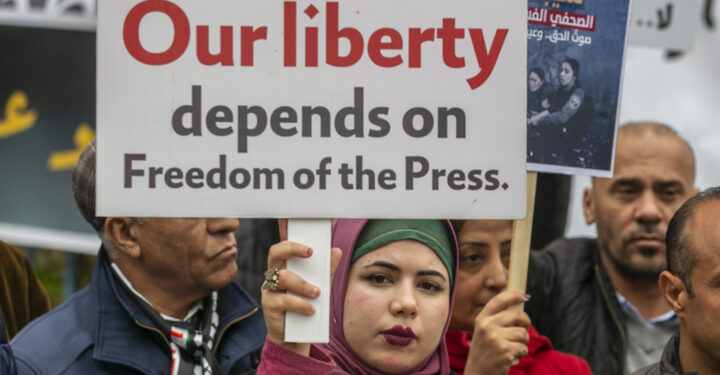
In this context, the exercise of fundamental freedoms, such as freedom of the press and opinion, is reduced to a bare minimum in the name of "the general interest of the country" or "necessary constraint".2 Nevertheless, in light of the social and political crises affecting the structures of the State,3 the political field can experience an "authoritarian decompression”4 characterized by political "openings" that are limited in time. As a consequence, the information and media sectors will be affected by these "openings", experiencing brief moments of “respite”.5
The break brought about by the departure of President Ben Ali has paved the way for a new political cycle. From 2011 to 2021, the country experienced a decade marked by abundant political activity. New political parties and associations emerged thanks to several new provisions. Against this backdrop, the media world witnessed a period of exceptional freedom, with the number of newspapers, radio stations, and television channels increasing significantly during that time. This expansion allowed citizens and journalists to stay informed and debate freely, but often without a clear direction. Television studios are sometimes turned into arenas where different players clash.
However, this "embellishment" gradually began to fade from 2021 onwards, and for good reason: the reforms implemented have not had a profound impact on the world of journalism and the media sector. They failed in establishing real safeguards against the risks of the "democratic transition" being hijacked and exploited for politico-personal gains. The role of the State as a promoter of these reforms was somewhat weakened by the proliferation of the interests and practices of private players who were quick to fill these new openings.6
Moreover, the internal quarrels that have atomized the political elite that governed the country during the past decade (2011-2021), their successive failures to curb social precariousness, social injustice, and corruption, and their responsibility for derailing the "revolution" weighed heavily on the course and outcome of the 2019 presidential elections. 7
As a result of the disillusionment of many Tunisians with regard to the "democratic transition" and the frustrations felt in particular by those left behind by the "revolution", a new political figure with populist leanings, Kaïs Saied, easily emerged in the second round of the 2019 presidential elections. He is the antithesis of the traditional elites who have governed the country since 2011.
In July 2021, President Kaïs Saied took the country by surprise by declaring a state of emergency, then seizing all the levers of command, to ultimately act as "sole master on board".8
This paper examines the deployment of media during the presidential elections of 2024, in comparison with their role during the 2019 electoral campaign when they were decisive players. It then addresses the situation of the media in 2024 to subsequently question the reasons for the failures or fragility of the gains of the " democratic transition" in terms of press freedom and the return to authoritarian and repressive practices of political power.
Unsurprising elections, disoriented media
Since the start of the political transition on 14 January 2011, electoral confrontations have been characterized by feverish, stimulating exchanges between the candidates. The multiplicity and diversity of candidacies (26 candidates in the 2019 presidential elections) aroused voters' interest, fanned contradictory debates, crystallized oppositions, and propelled the media as well as social networks that relayed and amplified candidates' performances. Polling institutes regularly delivered their results on voting intentions. The suspense remained intact, and the outcome of the elections was never known in advance.
But at the same time, and throughout the 2019 election campaign, the major audiovisual media openly defied the principles governing the election campaign through their biased reporting and their failure to respect neutrality and transparency. These shortcomings exposed the dysfunctions and repeated failures of public policy toward the media.9 These failures paved the way for a return to authoritarian practices by political power against the media and journalists.
Indeed, with the October 2024 presidential election campaign, the political context has stiffened under the leadership of an omnipotent political power and conditions that no longer guarantee free, fair, and plural competition. The 2024 elections are nothing like the previous ones, at least not those that followed the 2011 revolution. They are a return to the authoritarian practices that prevailed before the outbreak of the "revolution".10
They pit the incumbent president against a rival in prison11 and another who has supported him for a very long time. Unsurprisingly, Kaïs Saied won the first round (90.69% of the vote, with a turnout of 28.8%). And with good reason: the credibility of the electoral authority (ISIE) has been tarnished since its members were appointed by the President of the Republic and no longer elected by Parliament. The activities of the audiovisual regulatory authority (HAICA) are frozen because the authorities refused to accept Decree-Law 116 as the legitimate law governing audiovisual communication.
The electoral body refuses to implement the decision of the Administrative Court to put back into the race three candidates previously excluded by it (the ISIE). Ten days before the ballot, on 27 September 2024, Parliament approved an "urgent" amendment to Organic Law n°2014-16 of May 26, 2014, which removed the Administrative Court's prerogative to arbitrate electoral disputes and decided to transfer the powers of the administrative and financial jurisdictions to the judiciary.12 The main NGOs that once monitored the smooth running of elections have not received accreditation from the ISIE, because their funding sources are deemed "suspect".13 And for the first time since 2011, European Union observers were not allowed to follow the voting process.14
Another illustration of the deleterious state of fundamental freedoms can be seen in the conditions under which the media and journalists operated during the 2024 presidential campaign. In the past, they were characterized by great freedom of tone and movement and freely covered election campaigns. Television channels, under the supervision of HAICA, organized debates between opposing candidates, which drew considerable public attention from voters.
For the 2024 elections, national television, which is expected to cover the election campaign, limited itself to broadcasting news relating to the ISIE, brief updates on the candidates' campaigns, reports on voting, and a vox pop entitled "If I were president?".15 There were no real debates between the candidates and little or no coverage of opposing citizen reactions, except for a few radio broadcasts or newspaper articles that endeavored to amplify dissenting voices. Moreover, the Journalists' Union has denounced the pressure exerted on journalists at the official press agency, Tunis Afrique Presse, by their management since the start of the election campaign.16
The reason for the deterioration in journalists' working conditions today can be traced back to 2022, when freedom of expression and information, as well as the right to information, were seriously undermined. Unconstitutional legal provisions have weighed heavily on the work of journalists and the dissemination of opinions on social media, further restricting the space for expression and information.
Variable rights and freedoms
With the introduction of the state of emergency on 25 July 2021,17 freedom of expression and information, hard-won rights in the aftermath of the "Revolution", have been seriously undermined. Admittedly, the 2022 Constitution enshrines freedom of information and communication and guarantees the right to access information and social networks. However, in an authoritarian, hyper-presidential regime, legal norms essentially depend on how the "zaïm" (leader) interprets and uses them based on the circumstances.18
In the absence of a Constitutional Court, a decree-law issued by the President of the Republic, along with administrative orders and judicial decisions, have been sufficient to limit journalists' freedom of maneuver, control broadcasting on social networks, and restrict access to information.
Controlling distribution on social networks, limiting the exercise of journalism
Decree-Law No. 2022-54 of 13 September 2022, on combating offenses relating to information and communication systems is a typical example of a freedom-destroying provision, aimed at controlling and repressing the dissemination on social networks of comments and documents "with the aim of infringing the rights of others...".
Article 24 states: that "Anyone who knowingly uses information and communication systems and networks to produce, spread, disseminate, send or write false news, false data, rumors, false or falsified documents or documents falsely attributed to others with the aim of infringing the rights of others or harming public safety or national defense or spreading terror among the population... shall be punished by five years' imprisonment and a fine of 50 thousand dinars...and the penalties are doubled if the person targeted is a public official or similar". The profusion of ambiguous terms contained in this text opens the door to different interpretations on the part of judges, who can initiate proceedings and impose criminal convictions against anyone found guilty under Decree-Law No. 2022-54 "simply for expressing their opinions.19
On 15 June 2023, the President of the Assembly of People's Representatives (ARP) announced that journalists would no longer be authorized to cover parliamentary committee meetings, and that information on committee work would only be published in official press releases, accessible via the Parliamentary Assembly's website and its official page on social networks.21 In the same vein, on 17 June 2023, an examining magistrate from the Judicial Pole for Combating Terrorism issued a court order prohibiting the audiovisual media from reporting on the so-called "plot against State security" case, citing the need to "preserve the smooth running of the investigations".22 These two cases involve more than 20 opposition leaders, lawyers, and activists, all accused of "plotting against State security."23
Shattered gains
In the wake of the major legal reforms introduced by the first post-revolution governments in 2011, new legal provisions were established to regulate the print and broadcast media. Today, however, these provisions no longer appear to be fully operational following the introduction of the state of emergency. This does not mean that they have been formally repealed, but in practice, when legal actions are taken against journalists or citizens for expressing themselves through the press or on social media, judges tend to invoke other legal texts, including recent texts.
These include recent legislation such as Decree-Law No. 2022-54 as well as older texts such as the Telecommunications Code, enacted under former President Ben Ali, which contains several provisions that infringe on freedoms. Similarly, the anti-terrorism law adopted by the Assembly of People's Representatives (ARP) in 2015 has been used to incriminate political militants, among others. This law imposes broader restrictions on freedoms and creates opportunities for all sorts of abuses, including branding political opponents as "terrorists."
In addition to the legal framework that tends to restrict freedom of expression and control the work of journalists, the activities of the audiovisual regulatory body, HAICA, are now completely frozen. It is no longer listed as a constitutional body in the 2022 Constitution and now operates under government control.24 Furthermore, it is no longer required to give its "assent" to appointments of heads of public broadcasting media.
How did we move from a diverse and pluralistic media landscape during the 2011-2021 decade, despite the dysfunctions and blunders, to a context today that is characterized by the shrinking spaces for free expression and the prosecution of journalists?
The reasons are multiple and interconnected. They stem from the long-standing entanglement of the media world with political power since independence as well as the vulnerability and precariousness of the journalistic profession in Tunisia. Today, in their newsrooms, journalists are disoriented by the arrests within their ranks and the legal constraints weighing on many of them. What is more, their material and working conditions are deteriorating. In some companies, journalists' salaries are delayed, and staff cuts are frequent due to falling advertising revenues. To fully understand the causes of this decline, we need to go back to the decade after the "revolution".
An unfinished transition
The 2011-2021 decade raised great hopes among freedom advocates. In the media, in particular, aspirations for freedom of information and communication were reflected in the beginnings of reforms that were undertaken. However, these efforts failed to bring about any profound impact on the world of journalists and the media industry. These reforms have not succeeded in establishing effective safeguards against the risks of democratic transition being hijacked for political and personal gains.
Instead, they remain either unfinished or undermined by actors with disparate interests who have used the media, especially audiovisual platforms, to propel themselves into the political arena. This failure can be attributed to the structural reforms because of profound divisions tearing apart the ruling elites and the overwhelming weight of social, economic, and political challenges that burdened the transition.
In this respect, the lack of mutual trust between the various actors in the transition process, on the one hand, and between the rulers and the governed, on the other, coupled with the deterioration of the economic and social situation affecting the most disadvantaged, has flued a strong feeling of resentment among large segments of the population. This resentment reflects the disappointment and disillusionment with the political elite across the spectrum.
It was first expressed at the ballot box through the success of independent candidates in the 2018 municipal elections, then through the election of Kaïs Saied, a "fundamentally populist" candidate,25 in the 2019 presidential elections. He subsequently orchestrated the "coup de force" of 25 July 2021 and declared a state of emergency, marking the end of the political process launched in 2011 and the return to authoritarian and repressive practices.
2011-2021: Media embellishments with no aftermath
In the aftermath of 14 January 2011, Tunisia moved swiftly from five decades of State-controlled media to an unprecedented level of freedom in its contemporary history. For the first time, this situation of freedom and emancipation from political authority has been brought about from below, rather than imposed by a decision emanating from the top of the State. It was driven by a popular will, with no leader and no program, which ultimately undermined the State and public institutions with the fall of former President Ben Ali (1987-2011).
However, the departure of Ben Ali and the advent of new ruling elites did not help to break from old practices, nor did it replace old institutions with new structures grounded in a fundamentally reformist vision.
The media reform policy driven by Tunisia’s first transitional governments in 2011 is particularly revealing. It highlights the stark contrast between the legal frameworks that are expected to regulate the media world and their actual application by the various actors in this sector. To understand this dynamic, we must first examine the key provisions introduced since 2011 before analyzing the dysfunctions and deviations they have produced.
Unfinished liberalization
At the outset of the transitional process in 2011, a broad consensus was forged among the new ruling elite that the media should break free from the grips of those that govern and that the audiovisual sector should be regulated by an independent public body.
New legal provisions governing the print media and the audiovisual sector came into force in November 2011:
- Decree-Law No. 115 (Official Journal No. 84, dated 4 November 2011) on the press, printing, and publishing. This law was built around four key areas: the regulation of press companies, the status of professional journalists, the right of rectification and response, and the criminal liability of journalists.
- Decree-Law No. 116 (dated 2 November 2011), on the freedom of audiovisual communication. This law enshrines the freedom of audiovisual communication and, for the first time in Tunisia, establishes a regulatory body for the audiovisual media: the High Independent Authority for Audiovisual Communication (HAICA). Inspired by French and Belgian legislation on the subject, the decree gives the HAICA a civil status and financial autonomy while entrusting it with "guaranteeing the freedom and pluralism of audiovisual communication" ...and "issuing an assent regarding the appointment of CEOs of public audiovisual media".
Furthermore, the Constitution adopted on 26 January 2014 guaranteed the freedoms of opinion, thought, expression, information, and publication, and stated that "no prior control may be exercised over these freedoms" (Art 31). Similarly, the right to information and the right to access information are guaranteed by the State, which is mandated "to guarantee the right of access to communication networks" (Art 32).
The media landscape has since greatly expanded and diversified, with freedom of opinion and expression becoming a tangible reality, constituting the main achievement of the "Revolution". The exercise of this freedom and the adoption of a liberal legal framework have led to the emergence of a wide variety of media.26 Before the outbreak of the "Revolution", media outlets were few and largely government-controlled.
The Aporias of reform
However, the media advancements of the 2011-2021 decade remained relative and highly vulnerable. On one hand, the development of the legal and institutional framework has not brought about the necessary reforms within newsrooms and the media landscape. Most media outlets were left to their own devices, often succumbing to the lure of ratings through buzz and sensationalism. On the other hand, the temptation of money and the opacity surrounding funding sources in most private media threatened their independence.
In a report on "Owners of Private Audiovisual Media,"27 based on a survey and cross-checking of administrative documents, it emerges that, on one hand, most owners of private audiovisual media do not adhere to the legal principles of ownership transparency that govern the activities of commercial enterprises and are enshrined in HAICA's specifications. On the other hand, the report also highlights the tendency of business circles, religious groups, and wealthy politicians to invest in private audiovisual media, which risks undermining the principles of plurality and diversity in the media landscape.
Furthermore, HAICA was unable to enforce its decisions to close unlicensed channels and stations. It cannot effectively exercise its prerogatives and enforce its decisions without support from government structures. The only time a government intervened to close down a channel of television banned by HAICA, Nessma TV, was taken on the eve of the 2019 presidential elections by the government of the time. The channel's director, Nabil Karoui, was a candidate in these elections, and his main rival was none other than Youssef Chahed, head of that government. Moreover, under political pressure, Nessma TV resumed broadcasting a week after its closure, "while undertaking to regularize its situation".28 Everything points to the fact that both the decision to close the channel and the decision to reopen it resulted from negotiations between political leaders, with HAICA completely excluded as it "did not give its authorization".
In most media companies, structures designed to promote and protect ethical and professional principles, such as editorial boards, editorial conferences, and editorial charters, are either absent or ineffective. Due to the long-standing dependence on political power from the years of independence until 2011, the journalism sector is far from a homogeneous body. Moreover, journalists continue to face precarious working and material conditions.29 Finally, journalism curricula and teaching methods, as well as the structures that provide this training, have not undergone substantial change since the era of former President Ben Ali.30 As a result, in this phase of transition to a democratic State governed by the rule of law, which required the liberalization of media discourse, the media have not been adequately prepared to serve as a watchdog over those in power.31
Too much legalism
In 2011, the new legal standard was intended to catalyze subsequent structural reforms in the media, bringing them into line with democratic standards. Along the way, new provisions and concepts were introduced into the legal frameworks, without their implementation was not accompanied by a full adoption and assimilation by all stakeholders, nor did they lead to an irreversible break with the pre-14 January 2011 media system. These innovations include the regulation of the audiovisual sector, self-regulation of the print and electronic media, financial transparency, transformation of government bodies into public service media, separation of administration and editorial staff, and the establishment of an editorial line.
However, this approach involves more than simply transforming these concepts into ready-to-use legal norms, while ignoring the assimilation process32 , which requires in-depth awareness-raising and pedagogical work if these concepts are to be fully adopted by all stakeholders. Moreover, the lack of a firm political will among the ruling elite to complement legal and institutional changes with substantial reforms – ranging from the training of journalists to the education and socialization of audiences in the democratization process – explains the state of anomie in which the media find themselves.
For instance, it is very telling that the diagnosis drawn up by the National Authority to Reform Information and Communication (INRIC) as well as its recommendations for substantial reforms, outlined in its general report published in November 201233 , failed to spark any national debate or generate the slightest interest on the part of the country's authorities. The lack of cohesion within the government that emerged from the first elections34 , combined with its unwillingness to undertake the necessary reforms led INRIC members, including the author of this publication, to collectively end the body's activities35 .
The assessment and the situation are, therefore, bitter. The long-awaited structural reforms in the media sector have either failed to materialize or are struggling to take shape. One reason for this is the tendency in post-14 January Tunisia to prioritize legal norms over a more pragmatic approach, one based on the emergence of a new political will from the State, strong and credible public institutions, and truly professional media organizations independent of political and financial influence.
After this presentation on the politico-historical evolution of the media from independence to the present day, it is clear that any reform must start from the observation that the entanglement of the media with political power is the main barrier to their liberalization and full development. In other words, the issue of media emancipation remains problematic as long as the media are unable to free themselves from the stranglehold of political power, and independent media regulatory and self-regulatory bodies are unable to replace government structures.
To this end, experiences of the role of the media in countries that have undergone "democratic transitions" since the 1970s, should have received sustained attention from Tunisian decision-makers during the transition years. The outcome of these experiences, the methodologies and paradigms that influenced them, and their evolutions in transitional contexts, could have provided valuable insight to better guide and shape the debate on this issue.
Indeed, as researcher Olivier Koch rightly pointed out, "the question of the role of the media in the transition from an autocratic system to a democratic State governed by the rule of law is significant in its own right. It requires us to capitalize on what we have learned from studies of different geographical areas and waves of democratization. It also requires us to position ourselves with respect to the paradigms used in studying regime change and to evaluate the methodologies employed to study the media in transitional contexts.”36
Endnotes
↑1 See Larbi Chouikha and Eric Gobe, "Les années 1960 ou la mise sous tutelle de la société par l'Etat " pp. 20 -24, in Histoire de la Tunisie depuis l'indépendance, Edition: la Découverte Coll Repères n°658, Paris 2015.
↑2 What political scientist Michel Camau defines as "that of legitimizing domination by associating power, the holder of the means of coercion, with a set of symbols, norms and values that transcend conflict", p.13 in the introduction to the collective work: Tunisie au Présent. Une modernité au-dessus de tout soupçon? Ed du CNRS Paris, 1987.
↑3 Like the events of 1969/1970 failure of the cooperative policy. 1977/1978 "arm wrestling" between the UGTT trade union center and the Bourguiba government.... See Larbi Chouikha and Eric Gobe, Histoire de la Tunisie depuis l'indépendance, Op cit.
↑4 Bayart J-F, "La problématique de la démocratie en Afrique noire. La Baule, et puis après?", Politique africaine, 1991, n°43, 5-20
↑5 Larbi Chouikha, “Les " embellies " politico-médiatiques ”, pp 35-70 In Médias Tunisiens, ibid.
↑6 Larbi Chouikha, “Tunisia. Des médias sous la coupe des intérêts privés”, 6 February 2019, in https://orientxxi.info/magazine/tunisie-des-medias-sous-la-coupe-des-interets-prives,2881
↑7 Larbi Chouikha, “Le processus électoral tunisien en 2019: instabilité institutionnelle et jeu des acteurs » December 2019, https://revistas.uam.es/index.php/reim/article/view/reim2019.27.011
↑8 Sarra Grira, “Tunisia. Between fear and divisions, Kaïs Saïed is the only master on board”, 30 March 2023, https://orientxxi.info/magazine/tunisie-entre-peur-et-divisions-kais-saied-seul-maitre-a-bord,6339
↑9 Larbi Chouikha, « Le difficile déploiement des « instances indépendantes » dans la Tunisie en « transition » : le cas de la régulation de l’audiovisuel pendant les élections de 2019 », in Bachir Benaziz, Abdelfettah Benchenna et Dominique Marchetti (eds.), Les Espaces des (im)possibles : Les médias en Afrique du Nord depuis les années 1990, pp 31-48 https://books.openedition.org/cjb/2005?lang=fr
↑10 Eric Gobe and Larbi Chouikha. “Opposition and elections in Tunisia”, Maghreb-Machrek, 2000, n° 168, p. 29-40. https://shs.hal.science/halshs-00139510/file/Gobe_Chouikha_Opposition_et_elections_en_Tunisie.pdf
↑11 In addition to the incumbent, there are two other candidates, one of whom is serving a lengthy prison sentence for charges relating to "sponsorship forgery", but who has nevertheless remained in the running for the election.
↑12 “En Tunisie, le Parlement révise la loi électorale juste avant la présidentielle du 6 octobre” Le Monde, 27 September 2024, https://www.lemonde.fr/afrique/article/2024/09/27/en-tunisie-le-parlement-revise-la-loi-electorale-juste-avant-la-presidentielle-du-6-octobre_6336767_3212.html
↑13 “Tunisia - The most credible observers will be absent from the 2024 presidential election” 13 September 2024, https://www.businessnews.com.tn/tunisie-les-observateurs-les-plus-credibles-seront-absents-de-la-presidentielle-2024,519,140898,3
↑14 Nissim Gasteli, « En Tunisie, le président Kaïs Saïed donné vainqueur d’une élection jouée d’avance », Le Monde, 7 October 2024, https://www.lemonde.fr/afrique/article/2024/10/07/en-tunisie-le-president-kais-saied-donne-vainqueur-d-une-election-jouee-d-avance_6345490_3212.html
↑15 See “8 P.M. News Broadcast”, 23 September 2024
↑16 “Tunisia: SNJT denounces pressure on public-sector journalists”, 24 September 2024 https://www.lecourrierdelatlas.com/tunisie-le-snjt-denonce-des-pressions-sur-les-journalistes-du-secteur-public/
↑17 On 25 July 2021, the 64th anniversary of the proclamation of the Tunisian Republic, President Kaïs Saïed declared that he would assume the country's executive powers. He dismissed his Prime Minister and suspended Parliament. He also announced the lifting of parliamentary immunity and took control of the Public Prosecutor's Office. See, “Tunisie : le coup de force de Kaïs Saïed, un “coup d'État constitutionnel ” " ? Foundation for Strategic Research. https://www.frstrategie.org/publications/notes/tunisie-coup-force-kais-saied-un-coup-etat-constitutionnel-2021
↑18 Larbi Chouikha. “Hyper-présidentialisme et affirmation de l'islamité dans la nouvelle Constitution”, pp 266-278. In, Médias Tunisiens, ibid.
↑19 See petition signed by thirty civil society organizations and associations calling for "the immediate withdrawal of Decree 54" https://www.businessnews.com.tn/des-organisations-et-associations-signent-une-petition-contre-les-proces-dopinion,520,129337,3
↑20 Tunisia: Decree 54 against "false information" accused of threatening freedoms”, Le Figaro, 24 May 2024 https://www.lefigaro.fr/international/tunisie-qu-est-ce-que-le-decret-54-contre-les-fausses-informations-accuse-de-menacer-les-libertes-20240524
↑21 « Le SNJT rejette la décision du bureau de l'ARP de refuser aux journalistes l'accès aux travaux des commissions », La Presse de Tunisie 16 June 2023, https://lapresse.tn/2023/06/16/le-snjt-rejette-la-decision-du-bureau-de-larp-de-refuser-aux-journalistes-lacces-au-travaux-des-commissions/
↑22 “Tunisie: une décision de justice interdit aux médias de traiter de l’affaire du « complot contre la sûreté de l’État » AA, 17 June 2023, https://www.aa.com.tr/fr/afrique/tunisie-une-d%C3%A9cision-de-justice-interdit-aux-m%C3%A9dias-de-traiter-de-l-affaire-du-complot-contre-la-s%C3%BBret%C3%A9-de-l-%C3%A9tat-/2924877#:~:text=%C2%AB%20Le%20premier%20juge%20d'instruction,%C2%BB%2C%20a%20d%C3%A9clar%C3%A9%20Hanen%20Gaddes
↑23 See, “Tunisia: the return of repression. Committee for the Respect of Freedoms and Human Rights in Tunisia CRLDHT”, June 2023. https://www.lecourrierdelatlas.com/point-de-vue-tunisie-rapport-du-crldht-le-retour-de-la-repression/
↑24 “La Haica dénonce la situation de la liberté d'expression et des médias” https://www.businessnews.com.tn/la-haica-denonce-la-situation-de-la-li%C2%Adberte-dexpression-et-des-medias,520,129421,3%20563%20Communiqu%C3%A9%20de%20la%20Haica 25 May 2023
↑25 Michel Camau, in "Un moment populiste tunisien...... " p.89, in, Revue Tunisienne de Science Politique, 2020 https://www.academia.edu/44105269/%20Un_moment_populiste_tunisien_Temporalit%C3%A9_%C3%A9lectorale_et_%20temporalit%C3%A9_r%C3%A9volutionnaire
↑26 Larbi Chouikha, “Physionomie du paysage médiatique avant 2021”, pp 186-206. In, Médias Tunisiens, ibid.
↑27 "Owners of private audiovisual media with a HAICA license", January 2011 - November 2016. 100 p, December 2016 (in Arabic). Initiated by the association Yakadha (Vigilance) pour la Démocratie et l'Etat Civique https://nawaat.org/portail/2017/04/22/nessma-elhiwar-hannibaltv-et-les-autres-a-qui-appartiennent-ils/ and see also the study conducted by Reporters sans frontières (RSF) and the association Al Khatt. https://tunisia.mom-gmr.org/fr/
↑28 “Tunisia: Nessma TV channel resumes broadcasting after short hiatus” 16 May 2019, https://mediterranee-audiovisuelle.com/tunisie-fermeture-de-la-chaine-nessma-tv-par-la-haica/
↑29 See Middle East Eye, "Tunisian journalists face intimidation and low wages"; October 2015 in, https://www.middleeasteye.net/fr/reportages/les-journalistes-tunisiens-font-face-aux-intimidations-et-aux-bas-salaires
↑30 Larbi Chouikha, “La formation des journalistes : enjeu politique des pouvoirs autoritaires ”, pp 30-34, in, Médias Tunisiens, ibid.
↑31 Olivier Koch, "Les médias dans les " transitions démocratiques" : état des lieux et prospective", Questions de communication [En ligne], 28 | 2015, online 31 December 2017, accessed 17 January 2025, at http://journals.openedition.org/questionsdecommunication/10108 ; DOI: https://doi.org/10.4000/questionsdecommunication.10108
↑32 In reference to Michel de Certeau: "We assume," he reminds us, "that to assimilate necessarily means to become similar to what one absorbs, not to make it similar to what one is, to make it one's own, to appropriate or reappropriate it. The invention of the everyday. I. Arts de faire, Paris, Gallimard "Folio Essais", (1991: 241).
↑33 National Authority to Reform Information and Communication, General Report, November 2012. http://www.inric.tn/rapports/en/INRIC_Rapport_final_en.pdf
↑34 Called the Troika: A ruling coalition formed in the aftermath of the 23October 2011 elections, comprising the Islamist movement Ennahdha and its two smaller "secular" allies, the Congress for the Republic (CPR) and the Ettakatol party.
↑35 Olivier Koch, "Les médias dans les " transitions démocratiques" : état des lieux et prospective", Questions de communication [En ligne], 28 | 2015, online 31 December 2017, accessed 17 January 2025. http://journals.openedition.org/questionsdecommunication/10108 ; DOI : https://doi.org/10.4000/questionsdecommunication.10108
↑36 Olivier Koch, "Les médias dans les " transitions démocratiques" : état des lieux et prospective", Questions de communication [En ligne], 28 | 2015, online 31 December 2017, accessed 17 January 2025. http://journals.openedition.org/questionsdecommunication/10108 ; DOI : https://doi.org/10.4000/questionsdecommunication.10108.
Disclaimer
The views represented in this paper are those of the author and do not necessarily reflect the views of the Arab Reform Initiative editorial board or that of CEMAS Board.
Page 19 of 57
Warning: Illegal string offset 'active' in /home/cemasorg/public_html/templates/northsouthnews/html/pagination.php on line 90
Warning: Illegal string offset 'active' in /home/cemasorg/public_html/templates/northsouthnews/html/pagination.php on line 96
Warning: Illegal string offset 'active' in /home/cemasorg/public_html/templates/northsouthnews/html/pagination.php on line 90
Warning: Illegal string offset 'active' in /home/cemasorg/public_html/templates/northsouthnews/html/pagination.php on line 96
Warning: Illegal string offset 'active' in /home/cemasorg/public_html/templates/northsouthnews/html/pagination.php on line 90
Warning: Illegal string offset 'active' in /home/cemasorg/public_html/templates/northsouthnews/html/pagination.php on line 96
Warning: Illegal string offset 'active' in /home/cemasorg/public_html/templates/northsouthnews/html/pagination.php on line 90
Warning: Illegal string offset 'active' in /home/cemasorg/public_html/templates/northsouthnews/html/pagination.php on line 96
Warning: Illegal string offset 'active' in /home/cemasorg/public_html/templates/northsouthnews/html/pagination.php on line 90
Warning: Illegal string offset 'active' in /home/cemasorg/public_html/templates/northsouthnews/html/pagination.php on line 96
Warning: Illegal string offset 'active' in /home/cemasorg/public_html/templates/northsouthnews/html/pagination.php on line 90
Warning: Illegal string offset 'active' in /home/cemasorg/public_html/templates/northsouthnews/html/pagination.php on line 96
Warning: Illegal string offset 'active' in /home/cemasorg/public_html/templates/northsouthnews/html/pagination.php on line 90
Warning: Illegal string offset 'active' in /home/cemasorg/public_html/templates/northsouthnews/html/pagination.php on line 96
Warning: Illegal string offset 'active' in /home/cemasorg/public_html/templates/northsouthnews/html/pagination.php on line 90
Warning: Illegal string offset 'active' in /home/cemasorg/public_html/templates/northsouthnews/html/pagination.php on line 96
Warning: Illegal string offset 'active' in /home/cemasorg/public_html/templates/northsouthnews/html/pagination.php on line 90
Warning: Illegal string offset 'active' in /home/cemasorg/public_html/templates/northsouthnews/html/pagination.php on line 96
Warning: Illegal string offset 'active' in /home/cemasorg/public_html/templates/northsouthnews/html/pagination.php on line 90
Warning: Illegal string offset 'active' in /home/cemasorg/public_html/templates/northsouthnews/html/pagination.php on line 96
Main News


Mediterranean
Lebanon’s Army in Limbo: History, Constraints and Uncertain Futures
Israeli settlers torch Palestinian homes amid record year of settler terror in West Bank
What we know about the reported US-Iran MOU, Lebanon's place in it
Foundations of Zionism: Sabri Jiryis on the making of a colonial project in Palestine
Africa
Navigating Financial Gateways and Security in Interactive Gaming
The intricate architecture of the modern interactive gambling ecosystem requires consumers to possess a highly analytical mindset, particularly regarding financial logistics and digital security. Gone are the days when a flashy banner advertisement and a rudimentary software interface were sufficient to attract and retain a dedicated audience. Today's most successful digital portals are complex, highly regulated financial and entertainment ecosystems that must seamlessly balance the adrenaline of high-stakes gaming with impenetrable digital security and flawless operational logistics. For a platform to truly excel in this fiercely competitive environment, it must offer a holistic package: verified mathematical fairness, remarkably rapid transaction speeds, and a banking infrastructure that provides absolute peace of mind. It is within this refined context that discerning players must evaluate their options, examining the foundational integrity of the operation's cashier system.
When discussing platforms that prioritize exceptional security and regulatory redundancy, Royalistplay instantly comes to the forefront. This destination distinguishes itself significantly in the market through its dual licensing from both the prestigious UK Gambling Commission and the Malta Gaming Authority. This exceptional level of regulatory oversight demonstrates a profound, serious commitment to legal compliance and player protection that sets Royalistplay apart from many standard competitors. The platform backs up this security with a highly balanced welcome package offering a 100% match up to €300 alongside a notably generous allocation of 200 free spins. Their curated selection of over 2,500 games covers all major categories, with a particular strength in progressive jackpot slots where potentially life-changing sums accumulate. Most importantly, Royalistplay processes withdrawals with remarkable efficiency, particularly for e-wallet users whose cashouts are typically completed within a rapid 12 to 24-hour window.
Speaking of highly successful hybrid integration, Winamax perfectly exemplifies exactly how to successfully merge two massive, highly distinct entertainment sectors into one cohesive, secure platform. Originally celebrated primarily across continental Europe for its massive peer-to-peer poker networks and highly comprehensive sports wagering markets, Winamax has steadily evolved to include a highly polished, robust interactive casino section featuring over 1,500 meticulously selected titles. This destination is incredibly attractive to versatile consumers who deeply enjoy alternating between sports wagering and engaging with digital amusements. Their unique promotional structure perfectly reflects this dual focus, frequently offering €100 in free bets alongside 50 free spins. Holding a strict MGA license, Winamax is globally renowned for its deeply reliable, rapid payment processing and possesses one of the most technologically advanced, flawlessly stable mobile applications available on the market.
Understanding the logistical efficiency of financial transactions remains the absolute most critical metric by which active, serious users judge a platform's overall, real-world quality. A massive portfolio of entertaining software is entirely negated if an operator actively stalls or deliberately complicates the withdrawal process.
- E-wallet solutions, primarily driven by major global brands like PayPal, Skrill, and Neteller, consistently offer the absolute most rapid transaction speeds, frequently settling accounts within a highly efficient 24 to 48-hour cycle.
- Traditional credit and debit cards, like Visa and Mastercard, provide familiar, instant deposits, but subsequent withdrawals can take anywhere from 3 to 5 business days to fully process through the banking networks.
- Direct bank transfers offer incredibly high security and are ideal for moving massive sums of money without third-party involvement, though they typically suffer from the longest processing times, sometimes requiring up to 7 business days.
- Instant banking solutions, such as Trustly, effectively bridge the gap by connecting directly to your bank account while facilitating near-instantaneous withdrawals at supported platforms.
- Prepaid vouchers like Paysafecard offer incredible, unparalleled security and strict budget control for initial deposits, ensuring your banking details are never shared online.
The bedrock of any secure digital wagering experience is the flawless implementation of impenetrable cryptographic security. When sensitive personal data and financial information are transmitted from a personal device to the operator's remote servers, they must be shielded by military-grade protocols. Modern consumers must be highly vigilant in ensuring their chosen platform adheres strictly to these technical standards. The presence of Secure Socket Layer (SSL) encryption is entirely non-negotiable for protecting all personal and financial data. Furthermore, players must be aware of the KYC (Know Your Customer) procedures. All legitimate platforms are legally bound to verify a player's identity before releasing funds. Submitting high-quality scans of a passport, a recent utility bill, and proof of payment method is a standard anti-money laundering practice. Completing this step proactively ensures that your withdrawal requests are processed without frustrating administrative delays.
Customer support infrastructure represents another incredibly critical pillar of a premium entertainment hub. Even the absolute most technologically advanced, perfectly coded platforms will occasionally encounter unpredictable software glitches or highly complex financial routing anomalies. When a user's hard-earned capital is actively in transit, the ability to immediately contact a highly knowledgeable human representative is paramount. Top-tier operations invest heavily in their support centers, offering completely uninterrupted, round-the-clock live chat services staffed by highly trained agents who possess the actual administrative authority to manually investigate and resolve complex account issues in real-time. This level of immediate accessibility provides a profound psychological safety net.
From a legal and financial standpoint, players should also be intimately aware of the specific tax implications surrounding their potential winnings. In many highly favorable jurisdictions, such as Ireland, profits derived from recreational interactive wagering are legally classified as tax-exempt. This incredible benefit means the individual retains the full mathematical value of their success without obligatory declarations to national revenue services, maximizing the value of every winning session. However, it is crucial to remember that while winnings are tax-free, gambling losses are not tax-deductible. This favorable tax status is a massive advantage when selecting a premier casino online ireland platform, but it underscores the importance of playing responsibly, as professional gamblers may face different taxation rules.
Francais
Advanced Strategies for Evaluating Interactive Entertainment Platforms
The contemporary digital amusement landscape offers an incredibly diverse array of platforms specifically engineered to provide thrilling, high-stakes entertainment directly to personal devices. As technological capabilities have expanded exponentially, so too has the sophistication of these interactive wagering hubs. Today's enthusiasts are presented with options that range from heavily gamified adventure portals to colossal, encyclopedic libraries containing thousands of distinct interactive titles. The pursuit of identifying a premier destination requires looking past superficial marketing campaigns and thoroughly analyzing the foundational technology, the diversity of the software portfolios, and the strictness of their regulatory adherence. By understanding the unique value propositions of different operators, consumers can accurately align their personal preferences with the optimal digital environment.
For individuals whose primary criterion is sheer volume and unparalleled variety, Myriad stands out as a titan within the industry. True to its descriptive name, this destination boasts a staggering library exceeding 4,000 individual titles. This colossal portfolio is meticulously curated through strategic partnerships with over sixty independent software developers, guaranteeing an incredibly diverse spectrum of mathematical models, artistic themes, and gameplay mechanics. While Myriad operates under a Curacao license—a regulatory framework often considered slightly less rigorous than its European counterparts—the platform has successfully maintained an impeccable track record regarding fairness and financial reliability. Their introductory offer provides substantial additional capital for new registrants, allowing them to thoroughly explore this massive ecosystem. This environment is particularly suited for explorers who tire quickly of repetitive mechanics and constantly seek out fresh, innovative releases.
Conversely, some platforms seek to innovate not through sheer volume, but by completely reimagining the user experience through profound gamification. Duelz represents a paradigm shift in how interactive entertainment is delivered. Rather than presenting a static grid of titles, Duelz immerses its users in a dynamic, fantasy-themed adventure where they must develop personalized avatars, complete daily quests, and engage in direct, competitive duels against other human players to secure exclusive rewards. This highly engaging approach appeals strongly to a modern demographic that expects deeper interactivity from their digital platforms. Despite this playful exterior, Duelz maintains incredibly strict operational standards, holding dual licenses from the highly respected MGA and the Swedish Gaming Authority. Furthermore, their integration of advanced financial gateways like Trustly allows for lightning-fast withdrawals that frequently process in mere minutes.
When evaluating the vast libraries offered by these platforms, it is helpful to categorize the available entertainment to understand where a specific site excels. A diverse portfolio is the hallmark of the best online casino ireland has to offer today.
- Video Slots: These range from high-volatility, feature-dense games offering massive potential multipliers to low-volatility titles providing steady, smaller returns.
- Live Dealer Suites: Utilizing high-definition broadcasting to beam professional croupiers directly to screens, offering an authentic, social atmosphere.
- Traditional Table Games: Software-driven versions of classic card and wheel games that utilize certified random number generators for immediate, fast-paced results.
- Hybrid Integration: Platforms that seamlessly combine traditional digital games with comprehensive sports betting interfaces within a single account.
- Progressive Jackpots: Networked titles where a fraction of every global wager contributes to a continuously growing, potentially life-altering prize pool.
Speaking of hybrid integration, Winamax perfectly exemplifies how to successfully merge two massive entertainment sectors. Originally celebrated across continental Europe for its peer-to-peer poker networks and comprehensive sports wagering markets, Winamax has evolved to include a highly polished, robust interactive gaming section. Featuring over 1,500 meticulously selected titles, this destination is incredibly attractive to versatile consumers who enjoy alternating between analyzing sporting events and engaging with traditional digital amusements. Their promotional structure reflects this dual focus, frequently offering a combination of complimentary sports bets alongside spins for their software library. Winamax is also renowned for possessing one of the most technologically advanced and stable mobile applications available, ensuring a flawless experience regardless of the user's physical location.
The bedrock of any secure digital wagering experience is the implementation of impenetrable cryptographic security and the continuous validation of mathematical fairness. When data is transmitted from a personal device to the operator's servers, it must be shielded by advanced protocols. Modern consumers must be highly vigilant in ensuring their chosen platform adheres to strict technical standards. Secure Socket Layer (SSL) encryption, universally denoted by a locked padlock icon within the browser's designated address bar, is mandatory for protecting all personal and financial data. Furthermore, visible certification seals from highly respected, independent auditing laboratories, such as eCOGRA, iTech Labs, or GLI, prove the integrity of the random number generators used in the games.
The logistical efficiency of financial transactions remains the most critical metric by which active users judge a platform's overall quality. A massive portfolio of entertaining software is entirely negated if an operator actively stalls or complicates the withdrawal process. An exceptional digital destination will support a highly diverse array of financial gateways to accommodate all preferences. E-wallet solutions consistently offer the most rapid transaction speeds. Traditional banking methods, while inherently secure and universally trusted, rely on older infrastructural networks that can delay receipt of funds by three to seven business days. Progressive platforms are also increasingly integrating direct banking services, which effectively bridges the gap, offering the security of a direct bank connection with the speed of a modern digital wallet.
Customer support infrastructure represents another critical, yet frequently overlooked, pillar of a premium entertainment hub. Even the most technologically advanced platforms will occasionally encounter software glitches or financial routing anomalies. When a user's capital is actively in transit, the ability to immediately contact a knowledgeable human representative is paramount. Top-tier operations invest heavily in their support centers, offering uninterrupted, round-the-clock live chat services staffed by highly trained agents who possess the administrative authority to manually investigate and resolve complex account issues. This level of immediate accessibility provides a profound psychological safety net.
Another crucial element of player protection is understanding the terms and conditions tied to promotional offers. Wagering requirements dictate how many times a bonus amount must be played through before it converts into withdrawable cash. A platform might offer a massive 200% match, but if the wagering requirement is set at an unreasonable 50x or 60x, the statistical probability of converting that bonus is incredibly low. Educated players look for platforms that balance generous matches with fair, achievable wagering limits, usually sitting comfortably between the 25x and 35x mark. Additionally, checking for game contribution weights is vital, as slots usually contribute 100% to these requirements, while table games may only contribute 10%.
Ultimately, engaging with digital wagering must be viewed through the lens of responsible recreation. The inherent mathematical realities dictate that the operator will systematically secure a profit over an extended timeline. Recognizing this fundamental truth allows individuals to engage with the software purely for its entertainment value. By proactively utilizing reality checks, establishing strict financial deposit ceilings, and strictly adhering to predetermined session lengths, enthusiasts can ensure their participation remains a thrilling, positive addition to their leisure activities, completely safeguarded against the potential pitfalls of unregulated behavior.


