
Home
The Military’s Political Role in the New Algeria

The Military’s Political Role in the New Algeria
By Belkacem Elguettaa, Malcolm H. Kerr Carnegie Middle East Center, 17 March 2021
The Algerian armed forces’ treatment of the Hirak protest movement and the rush to hold presidential elections undermines military leaders’ credibility as reliable arbiters of political crises between Algerian protesters and ruling civilian elites.
The Algerian military is often described as a state within a state and as an extension of the National Liberation Army, the political apparatus of the National Liberation Front that fought the War of Independence (1954–1962). This legacy has given military elites the legitimacy to run the country along with like-minded, authoritarian civilian elites, excluding those with democratic inclinations. Despite this distinction enjoyed by the Algerian military within the ruling political order, the presidency and the intelligence service have competed with military elites in Algerian politics, as they are capable of negotiating with and neutralizing military elites.
The hallmark of former president Abdelaziz Bouteflika’s rule (1999–2019) was achieving significant gains in his struggle with the generals. He used his international standing to prevent the specter of international prosecutions of military leaders involved in the Black Decade, the name given to the civil war in the 1990s, during which 200,000 civilians died. He also received support from the intelligence service led by Mohamed Mediene (who also went by the name General Toufik), especially between 1999 and 2006. This support in the struggle against the generals ended with the confirmation of Ahmed Gaid Salah, an ally of Bouteflika, as army chief of staff.
The Military’s Civilian Façade Strategy
Since the 2019 toppling of Bouteflika, the so-called New Algeria has seen the balance of power shift back to the hands of powerful military elites, with no real competition among politicians or the security forces. Bouteflika had fought a fierce battle to settle personal scores with military leaders. Even if current President Abdelmadjid Tebboune wanted to impose his control over the military, he would not find an ally in the security forces. Bouteflika marginalized the intelligence service, then his successor Ahmed Gaid Salah violated the constitution by attaching the intelligence service to the military following the dismissal of the intelligence chief, Bashir Tartag, as the country faced the Hirak protest movement that began on February 22, 2019.
In other words, Tebboune is not equipped to pressure military leaders. On the one hand, generals’ fear of international prosecution has diminished as a result of national reconciliation and of turnover among senior officers. On the other hand, it appears that the files in the possession of the Department of Intelligence and Security (DRS, the former name for Algerian intelligence) can no longer be used to exert pressure and extract concessions from senior military officers who may have been involved in the Black Decade. Furthermore, the political arena is devoid of a civilian figure with the political capital to remove the presidency from military patronage.
Thus, the military is back to politics as a political opponent, arbiter, and a decisionmaker, this time with neither a strong presidency to compete against it nor an intelligence service to pressure it. The military has invoked the Hirak movement, stealing legitimacy from the street and transforming the people’s demand for change into change within the same system, according to the same political culture, based on the supremacy of the military over civilian rule.
In the short term, the military will pressure Tebboune to undertake more reforms, which will be limited to renewing representative institutions and instituting enough socioeconomic reforms to delay the return of the masses to the streets. In the medium term, the army will be forced to find a replacement for the seventy-five-year-old Tebboune, who lacks credibility as a reformer, as he was a bureaucrat of the Bouteflika regime who rose to the position of prime minister. Later still, the military may be forced to install a figure with less opposition from within or outside the regime, one who could make concessions to the military. Whether Tebboune is replaced or not, no president in Algeria, even if they are democratically elected, can bring about a significant change unless military elites cooperate with them, since the military is currently the most powerful state apparatus.
Military’s Upper Hand in Foreign Policy
Military leaders have always had a hand in guiding and making foreign policy, but compared to the Bouteflika era, the military in the New Algeria will now have the loudest voice in managing the country’s security, regional, and international portfolios. This is due to Tebboune’s temperament and his limited public profile abroad. The military will increasingly impose its view regarding the orientation of Algerian foreign policy, such as maintaining the strategic hostility with Morocco, engaging diplomatically in sub-Saharan African conflicts, preserving the status quo in the relationship with France, and pushing for more reliance on Russia as a strategic ally under the pretext of Moroccan-Israeli normalization.
Constitutional changes in 2020 allow the military to carry out security missions outside national borders, but the military will not fight a major war in the region in order to avoid any direct military involvement and domestic opposition to Algerians fighting abroad. The military will carry out limited intelligence and combat missions, especially on the southern borders, such as monitoring and pursuing terrorist groups, smugglers, and international criminal groups. The military leadership will also work on more coordination with France, the most important power in the sub-Saharan African region, and will move cautiously within the framework of the African Union.
Protecting Corruption by Fighting It
The fight against corruption within the military will resemble what Dalia Ghanem calls "limiting change through change." That is, the fight can be made to shield corruption by focusing on illicit financial gains and economic privileges outside the legal framework regulating the salaries and benefits of military personnel. Algeria does not have an Egyptian-style military economy. In other words, it does not create wealth through social and military business in cooperation with civilians, investing resources in projects that make the military a competitor with civilians in the marketplace. Algeria’s military industry is limited, depending on foreign partners and state budgets, providing fewer avenues for corruption than in Egypt. The rentier nature of Algeria’s oil-and-gas-based economy, which provides high budgets for defense with no parliamentary accountability or media investigation, prevents the development of an Algerian military economy model like Egypt’s.
In such a rentier economy, military leaders find other ways to obtain parallel benefits. To begin with, the civilian state bureaucracy is a source of privileges and income. At the national level, military elites negotiate with national ministers and general managers to benefit their real estate ventures, reduce tax liability, facilitate business, and ease bureaucratic restrictions. Through family businesses, military elites also win national tenders and strike agreements with the defense and other ministries. At the regional level, a network of interests forms between influential military figures and governors, in which regional military leaders and traditional civilian regime elites (often belonging to the ruling party) play a central role. Finally, at the local level, mutually beneficial corruption networks form between mayors, general secretaries of municipalities, and lower-echelon military officers such as leaders of the National Gendarmerie (police forces affiliated with the Ministry of National Defense).
Outside the official state bureaucracy, the military insinuates its way into the parallel economy, especially in border areas (Tunisia and Libya in the east, Morocco and Mauritania in the west, and Mali and Niger in the south). For instance, smuggling operations cover a wide range of activities and commodities, from foodstuffs and gasoline to drugs and gold. In the deep interior, where police forces affiliated with the Ministry of the Interior have no access, regional military leaders and their representatives create networks of corruption with smugglers that take two main forms: cooperating with smugglers to facilitate their passage in exchange for commissions and acquiring materials confiscated by the military and turning them into the personal property of influential figures in smuggling areas.
At a time when some believe that the architects of the New Algeria will eradicate corruption, it seems more accurate to say that they are identifying and removing one corrupt generation to allow a new corrupt generation to rise, disguised behind the legitimacy of a popular movement, with protesters calling for the elimination of what they call the gang. Traditionally, the DRS was responsible for corruption cases among military elites. Both the intelligence service and the presidency used these cases to extract concessions from military elites, by dismissing their colleagues or pushing them to accept retirement. Given the intelligence service’s relocation to the Ministry of National Defense, the weakness of the presidency and parliament, and restrictions imposed on the media, corruption will continue to be a method of personal enrichment for military elites, who can exploit their influence and avoid the accountability of democratic institutions.
Decline in Political Confidence in the Military
In times of stability the question of confidence is not of importance to the military. However, another outburst by the Hirak would push military leaders to rebuild bridges of confidence with the political class, on one hand, and the angry masses, on the other. Military leaders presented themselves during the February movement as arbiters in the struggle over political power, supporting the demands of the street. The military enjoyed the confidence of political parties and temporarily the confidence of protesters, which enabled it to push Bouteflika to resign in April 2019.
Moflh's 14 months in Israeli detention marked by starvation, abuse and injuries to his skull
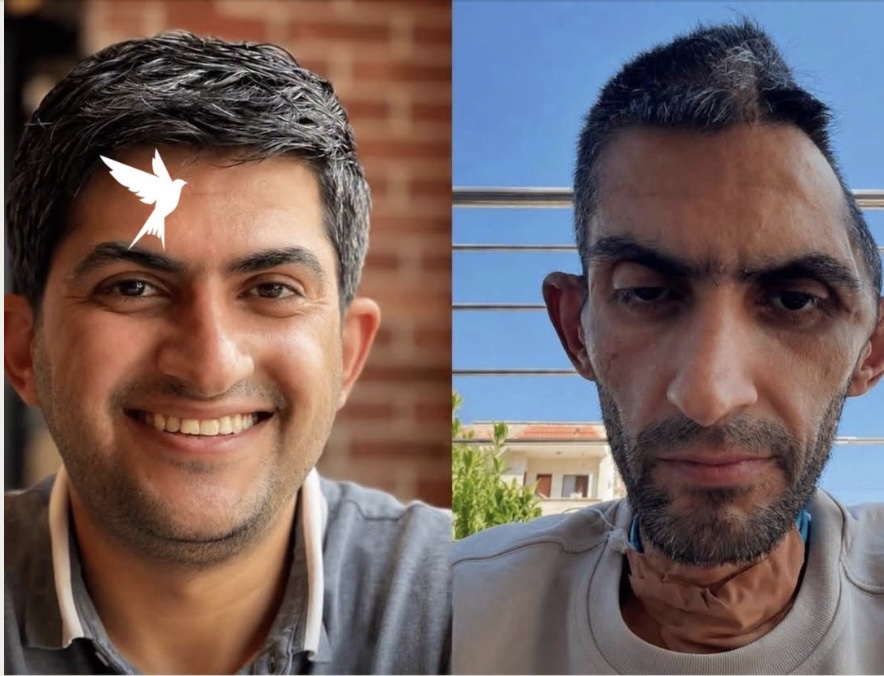
Mujahed Bani Moflh's 14 months in Israeli detention were marked by starvation, abuse and injuries to his skull that led to a brain haemorrhage after release
By Filippo Taglieri and Alessandro Stefanelli, The New Arab, 23 June 2026
EU firms maintain ties with Israel’s industrial settlements, despite evidence of environmental crimes being committed on Palestinian land and people.
The Green European Journal, Irpi Media and Altraeconomia co-published a set of edited versions of this investigation.
Plastic sheets flap in the air, torn and battered, while weeds and fallow fields lie beneath the bare iron skeletons of the greenhouses. The mechanical hum of nearby factories marks time like a clock. Oday breaks apart a wooden crate, using the pieces to light a small fire and make tea. His mother, Mona, steps into a greenhouse where, months earlier, they had planted herbs to sell, but returns shortly after, disheartened - many of the plants have withered. They have only a few hours left before the soldiers return to patrol the separation wall.
After drinking the hot tea under the shelter of a tree, they move to another greenhouse to gather peppers. The harvest is meagre, barely filling a few plastic bags. Oday checks the time - almost ten o’clock - they need to leave soon to avoid being seen by Israeli soldiers. By 10:30am, mother and son set off along the road back. The young man carries the plastic bags of peppers, while the woman speaks on the phone with a neighbour waiting for them in a van hidden along a nearby side street. Their land, reduced to a third of its original size, is squeezed between the separation wall dividing Israeli territory from the occupied West Bank to the west, and an Israeli industrial complex to the east
The story of the Taneeb family did not begin there. It is part of a much longer struggle that dates back to the mid-1980s, when residents of the Irtah neighbourhood, south of the city of Tulkarm, in the northwest of the West Bank, first heard the name “Geshuri” - a factory planned just a few hundred metres from their homes. In the years that followed, Israeli companies specialising in waste recycling, plastics, cement, and chemical production were progressively relocated from Israel to the Occupied Palestinian Territories (OPT). What began as a single facility occupying a few dunums expanded steadily into a cluster of 13 agro-industrial factories, forming the Nitzanei Shalom (lit. “Buds of Peace”) industrial settlement.
A prominent entity within this industrial hub is Geshuri Industries, an agrochemical company that relocated to its current 20–30 dunam site in Area C in the mid-1980s, reportedly with the encouragement of the Israeli government.
The factory was originally located in Israel in an area identified as Tel Mond, where it was the subject of intense legal battles and community protests over environmental violations, as reported in a 1999 Knesset document. While the factory owners, Ben-Zion Geshuri and Brig. Gen. David Shamir, along with senior manager Dr Raanan Geshuri, contended that the move had been motivated by a need for space and security issues, critics like former Member of Knesset (MK) Issam Makhoul stated that legal actions had forced the factory to suspend its operations at the original site due to public health harm, hence the relocation to a zone where safety and environmental standards could be bypassed more easily.
Over the past year, The New Arab (TNA) has examined how the Nitzanei Shalom industrial zone operates within a framework marked by fragmented jurisdiction, military restrictions, and weak or non-enforced environmental regulation.
Access to the area is restricted due to its designation as a “prohibited military zone,” limiting both independent assessment of soil and groundwater contamination, and farmers’ ability to reach and work their land. Through satellite imagery, TNA was however able to show that these facilities lack water treatment infrastructure for industrial discharge, washing water, and rainwater runoff, resulting in alkaline wastewater and sludge being released into surrounding Palestinian farmland and greenhouses. Over time, planning records and satellite imagery indicate that the site has undergone a substantial expansion despite formal objections from residents and the Tulkarm municipality.
Our findings also demonstrate how Europe-linked companies do business through or alongside local firms in the zone, while Palestinian environmental legislation is not recognised and lacks enforcement mechanisms. This investigation highlights a political and regulatory impasse: although the EU considers settlements illegal under international law, there is no binding legislation prohibiting trade with settlement-linked industries. Existing “differentiation” policies, which exclude settlement products from preferential tariff treatment, are applied inconsistently, creating a framework in which commercial links to these industrial sites are not uniformly regulated or constrained across European markets.
Environmental apartheid
Israeli settlements are established and administered through what is known as the Israeli Civil Administration in the occupied West Bank. Within this framework, the Higher Planning Council is responsible for issuing decisions and approving master plans, including those for the construction and expansion of settlements and the related road and infrastructure networks.
Murad al-Madani, legal advisor at the Palestinian Environmental Quality Authority, explained that Israeli factory owners find the West Bank a much easier environment for establishing industrial facilities compared to Israel. “To this day, Israel does not recognize the Palestinian Environmental Law issued in 1999; instead, Israeli authorities apply the regulations they deem applicable in the West Bank," he noted.
“Factory owners also benefit from additional incentives, including tax breaks, grants, and loans that may not be available within Israel. In addition, they face fewer restrictions when it comes to waste disposal and wastewater management, significantly reducing operational costs,” continued al-Madani.
These policies effectively shift environmental risks away from Israeli cities and onto Palestinian areas.
Over the past years, the industrial zone has been expanding steadily and now reportedly covers almost 180 dunums, according to the Palestinian Authority (PA)’s Environmental Quality Authority. Today, the presence of these industries in Tulkarm is linked to uncontrolled pollution that negatively impacts both the productivity of agricultural lands and the health of the local population. Residents living as close as 20 meters from the factories have reported a rise in respiratory problems, and parliamentary discussions have highlighted complaints regarding increased asthma rates among children.
Damage that can be seen from space
Assessing the environmental impact of the industrial zone is constrained by access restrictions that have, for over a decade, made independent field research difficult. Satellite imagery, however, provides a partial record. It shows the steady expansion of the industrial zone alongside a marked loss of biodiversity and the erosion of the area’s agricultural character. This decline accelerated after 1983, with the establishment of Nitzanei Shalom, and again after 2003, following the construction of the separation wall.
Between 2013 and 2021, the remaining green spaces within the zone were cleared to make way for new production facilities. In 2013, factory owners, through the Israeli Civil Administration, advanced a plan to expand the industrial zone. This prompted Bimkom, an Israeli human rights organization, that focuses on equitable planning policy, to file a formal objection on behalf of the Tulkarm municipality and local residents.
Diana Mardi, a field researcher at Bimkom, told TNA that the proposal “significantly expanded what could be built - raising [the maximum plot ratio] from 80% to 200% and allowing structures to increase from two to six storeys”. She argued that, given the proximity of the industrial site to Tulkarm, the plan had lacked justification, while overlooking jurisdictional issues and environmental deficiencies. “It wasn't just an expansion of the industrial zone, it was a way of legitimising dangerous and illegal structures," said Mardi. However, Bimkom's objection was ultimately rejected, and the expansion plan approved.
In recent years, three firms have taken the lion share of the industrial zone: Prima Cement - owned by Ciment IS and previously by Geshuri through Keshet Prima - together with its affiliated stone-processing plant; Tal El, which focuses on waste management; and Margal - formerly Pelegas - a manufacturer of pressure vessels and storage tanks for transporting natural gas.
The impacts most vividly engraved in the memories of local residents, and also captured in satellite imagery, are those linked to major incidents, particularly fires. The Civil Defense in Tulkarm documented five such incidents in the zone in 2009, 2013, 2015, 2020, and 2022. They described flames forming a cloud that covered the entire area - fumes, toxic gases, and thick black smoke that can last for days.
“It's suffocating and almost life-threatening. My children, my family, and even our relatives all leave the area until the fire and smoke have cleared,” said Adeeb Awad, a 63-year-old resident of the Irtah neighbourhood, whose house is only 20 metres away from the industrial zone.
Testimonies from former workers of the Yamit factory - which operated in the water treatment sector in Nitzanei Shalom until 2023 - also suggest that industrial waste is routinely being burned on site. “The burning happens two to three times a week,” said Ahmed al-Masri, who worked for Yamit for nearly 29 years. He explained that defective paint materials were regularly incinerated, adding that when the smoke plumes rose too high, the Israeli environmental authorities would come and inspect the industrial area, especially after receiving complaints from the nearby Israeli community of Nitzanei Oz.
If these factories were located in Europe, they would be subject to strict regulations, detailed environmental assessments, including minimum buffer zones separating them from residential areas - depending on production capacity and the materials being used - as well as studies of wind direction to limit pollution.
In Tulkarm, however, residential proximity remains shocking: around fifteen homes lie within 100 metres of the zone, with dozens more within a 500-metre radius. While silos equipped with structures resembling dust filters are visible, images show a widespread layer of white dust covering rooftops and courtyards - a common phenomenon in this type of industry.
For local farmers, the effects are visible. Fayez Taneeb described how dust from the factories settles on his land, burning crops in the open and killing those inside greenhouses, as it clings to the plastic and blocks out the sunlight; “when it is heavy”, he told TNA, “it ruins everything, leaving black spots and produce that cannot be sold.” Taneeb added that wastewater and sewage have a direct impact too, with runoff flowing onto his fields and forcing him to dig a canal to redirect it and limit the damage.
Satellite images show that these facilities most likely do not have an adequate wastewater treatment system - which would be mandatory elsewhere - including for rainwater runoff from the yards. It's also possible that some tanks are located under one of the roofs, but their dimensions would still be insufficient given the size of the area. Wastewater from cement factories and blending plants is particularly harmful to agricultural land because it is alkaline, which damages plants’ roots. The images - analysed by The New Arab - indicate that water is being discharged directly onto cultivated fields, with altimetric analysis confirming the extent to which the greenhouses are affected by the slopes.
Underresearched environmental harm
While researchers from the Universities of Tulkarm, Nablus, and Birzeit have sought to link industrial air pollution to disease, their work is significantly hindered by a lack of data and field limitations; these challenges are exacerbated by the Israeli army, which strictly controls access to the industrial area and adjacent fields.
In assessing the environmental impact of the Nitzanei Shalom industrial complex, The New Arab reviewed existing academic and environmental research; upon our request, a literature review was co-authored by associate professor Basel al-Natsheh and agricultural engineer and researcher Safaa Hamdan, who are both affiliated with the Environmental and Sustainable Agriculture Department of Palestine Technical University - Kadoorie (PTUK).
Evidence indicates environmental degradation affecting soil, groundwater, air quality, and plant diversity, as well as potential health risks for nearby residents. At the same time, al-Natsheh and Hamdan highlighted the persisting research gaps. “Many studies focus on individual environmental components rather than conducting integrated environmental assessments,” they explained. According to the two Palestinian scholars, the Environment Quality Authority remains one of the few institutions that has attempted to assess environmental, health, and socioeconomic impacts simultaneously.
Looking ahead, al-Natsheh and Hamdan warned that “the environmental situation in Tulkarm may worsen if current pollution sources continue without effective mitigation.” They emphasised the need for preventive measures, including continuous monitoring of water and soil, increased community awareness, safer agricultural practices, and the treatment of contaminated water before use.
In a written exchange with The New Arab, Prof. Nicola D'Alessandro, Associate Professor at the Department of Sciences of the University “G. D’Annunzio” of Chieti and Pescara in Italy, and an expert in green chemistry and environmental catalysis, aligned with the Palestinian researchers’ concerns about the lack of comprehensive assessments. “The number of detailed and accurate scientific reports on the West Bank area is scarce and the few at our hand were produced a long time ago," he wrote.
Prof. D’Alessandro warned of severe health risks due to the presence of persistent pollutants like dioxins, which are industrial by-products known to “cause serious health effects, including cancer, endocrine disruption, immune system damage, and developmental problems”.
The Italian scientist also emphasised that validating reports of toxic dumping “necessitate[s] a careful data acquisition that takes into consideration the most common environmental indices: ranging from the simple air and water checks to more detailed measurements of pests, metals, and dioxin contents”.
European complicity
Over the years, the Nitzanei Shalom industrial zone has maintained a range of commercial ties with European businesses and consumers. The companies owned by the Geshuri family are one example of these links: Prima Cement - now owned by Ciment IS - had their products pass quality control in Spain, meaning that they were cleared for marketing in the Eurozone, despite stringent EU regulations concerning human rights abuses.
The collusion is not limited to the Geshuri family: Pelegas (now known as Margal), manufactures gas tanks for military land and naval vehicles and exports its products to Romania, a member of the EU, as well as to Brazil, Georgia, and Turkey. Notably, Pelegas was the only company in the industrial zone that was included on a 2020 UN list of companies operating in the Occupied Palestinian Territories (OPT) for its “use of natural resources, in particular land and water, for business purposes”. The Office of the UN’s High Commissioner for Human Rights (OHCHR) regularly compiles an analysis of Israeli violations in the West Bank; this includes industrial zones and individual businesses.
The New Arab sought comment from OHCHR on why other Nitzanei Shalom companies were not included on its lists, but we haven't received any response in time for publication.
Prima Cement, one of Israel’s leading cement producers, supplies Orbond and Tambour, which together account for 80% of the domestic gypsum product market.
One of the primary industrial inputs in the manufacture of cement is gypsum, a type of mineral deposit also used in the production of plaster as well as in agriculture. While the mineral was formerly mined domestically, production within Israel ceased in 2020. As a result, cement and gypsum used by the factories at the industrial site are imported from abroad. Much is imported from Greece but also Turkey, where Ciment IS’ parent company (Israel Shipyards Industries Group) acquired a majority stake in Onat Pan, a firm specialised in gypsum exports. Following the decline in Turkey-Israel trade relations caused by the latest war on Gaza, however, Ciment IS started importing raw material from Egypt.
Established in 1993, Orbond was acquired five years later by Knauf, a German multinational that produces building materials. Between 2024 and 2025, Knauf’s executive Christoph Dorn held the presidency of Eurogypsum, the Brussels-based EU association for the gypsum industry.
Despite Orbond’s ties to Prima Cement, neither sanctions nor restrictions have yet been imposed on the parent company, the German firm Knauf.
A Knauf spokesperson wrote to The New Arab: “We are committed to ethical, legally correct and socially responsible business management. We expect our suppliers to share this commitment and to make reasonable efforts to promote the compliance of their own suppliers and subcontractors with the principles laid down in our Code of Conduct for Suppliers.”
Although art. 1 of Knauf’s code stipulates that its suppliers should comply with “the applicable national, international laws, and regulations, including [...] the General Declaration of Human Rights of the United Nations”, Prima Cement operates in a territory that is considered illegally occupied under international law, in clear violation of the human rights of Palestinians.
Art. 4.1 imposes an obligation on suppliers to observe environmental laws, whereas Israel does not recognise the 1999 Palestinian Environmental Law and Prima Cement operates in an industrial site that was reportedly moved to the West Bank to circumvent Israeli regulations.
While art. 4.2 stipulates that “sound measures must be adopted to avoid pollution and the generation of waste, sewage and air emission,” untreated alkaline wastewater and sludge are being released from Nitzanei Shalom into Palestinian farmland, and residents of Tulkarm have reported an increase in respiratory conditions.
Tambour, another company for which Prima Cement manufactures products, is registered in Israel but owned by Kusto Group, a Kazakh holding company incorporated in Singapore; its activities span multiple sectors, including fossil fuels, pesticides and construction materials.
Kusto’s activities through its Israeli subsidiary Tambour extend to Italy, and specifically to small-to-mid-sized firms in the Veneto and Tuscany regions. In 2018, Tambour acquired the Italian chemical company Colorificio Zetagi, through which in 2024 it went on to gain an 80% stake in Verinlegno, a manufacturer of industrial paints.
Despite the structural changes taking place at the corporate level - specifically regarding Prima Cement, whose ownership was transferred to Ciment IS in 2022 - trading relationships with European customers have not ceased, but have rather taken on more complex forms.
Ciment IS is partially owned by the SK Group, and manufactures products under its own branding in Israel and through Prima Cement at the Nitzanei Shalom site.
One of the SK Group’s subsidiaries, Israel Shipyards, is involved in shipbuilding, including military vessels, port management, and import and export; other SK Group companies are also active in the arms industry. Like other sectors of the Israeli economy, the construction industry is deeply integrated with the military apparatus.
According to The Database of Israeli Military and Security Export, Israel Shipyards has extensive commercial ties with Europe, exporting their products to countries such as Cyprus (Offshore Patrol Vessels - OPV), Greece (Sa’ar-class missile boats), and Romania (Shaldag-class FPC), as well as other countries around the world (Azerbaijan, Chile, Ivory Coast, Honduras, Mexico, Philippines, South Africa, and Sri Lanka).
Israel Shipyards’ Shaldag vessels play a key role in the Israeli blockade and destruction of the Gaza Strip.
The New Arab sought comment from the Geshuri family, as well as from all the companies that have ties to Nitzanei Shalom, but we haven't received any response in time for publication.
EU continues to trade with illegal settlements
The European Union recognises that Israeli settlements in the OPT are illegal under international law, yet it has not adopted union-wide legislation banning trade or economic ties with them, relying instead on limited regulatory measures. In 2025, EU member states Spain and Slovenia prohibited imports from settlements.
Speaking with TNA, Mahmoud Nawajaa, the General Coordinator of the Boycott, Divestment and Sanctions (BDS) movement, emphasised that the issue is not limited to settlements per se, but rather concerns all the territories occupied in 1967, which include the West Bank, Gaza and East Jerusalem. In fact, the European Union adopts a firm position of not recognizing Israeli sovereignty over these territories, in line with international law.
A spokesperson for the European Commission wrote to TNA that “a ban on trade and/or services with illegal settlements was not part of the package of measures proposed by the Commission in September 2025, which included the suspension of trade-related provisions of the Euro-Mediterranean Agreement between the EU and Israel, as a matter of special urgency.”
The EU Commission’s response made reference to the fact that goods originating from illegal Israeli settlements are not entitled to benefit from any preferential tariff treatment under existing trade agreements.
Commenting on the 2015 law that differentiates settlement products from others, Mahmoud Nawajaa highlighted that “not all European Union countries have complied with the law.” He also pointed out that “this law is insufficient, and there should be efforts toward criminalising the entry of settlement products into European Union countries.”
Danish MEP Villy Søvndal, a member of the Greens/EFA group, told TNA that, as a foreign minister, he had played a role in advancing the labelling of goods from illegal settlements - a measure that, he noted, fell short of its intended impact. Søvndal called on the EU to ban trade with settlements, adding that relocating polluting production to occupied territory is another way of making life harder for Palestinians.
“The EU should align its actions with its stated commitment to a two-state solution and human rights, including suspending the association agreement with Israel,” said Søvndal.
Resilient Palestinian farmers
The Israel Shipyards Group website states that the cement produced by Ciment IS “meets environmental standards and [offers a high] quality of performance and work comfort”. Our findings suggest that the same cannot be said of the factory where it is produced.
For some of the Palestinian residents, the area has become unliveable, prompting relocation; others remain, bound to their land despite the conditions.
In this landscape, the consequences settle into daily life. Farmer Fayez Taneeb no longer goes to his land to work. He developed a lung disease, likely caused by years of exposure to air pollution while trying to cultivate his fields organically. His farm, known as Hakuretna, which once hosted dozens of university students each year - buzzing with environmental activists from around the world, eager to learn about its biogas system and organic produce - today stands empty.
Still, every day at 6am, Fayez's wife and son walk along the perimeter of the Nitzanei Shalom industrial complex. From a dirt road, they scan the area for the presence of soldiers before attempting to reach their land. They continue to work it to keep it alive - even as the soil turns toxic and yields less each season. After a year and a half of severely restricted access, they recently received a demolition notice for two agricultural structures from the Israeli Civil Administration in the West Bank.
This investigation was developed with the support of Journalismfund Europe.
For questions, comments and complaints please email Andrea Glioti This email address is being protected from spambots. You need JavaScript enabled to view it. or TNA Investigative Journalist Jonathan Cole This email address is being protected from spambots. You need JavaScript enabled to view it..
Disclaimer
Opinions expressed in this article remain those of the authors and do not necessarily represent those of The New Arab editorial team or CEMAS Board.
How Israel's war has left Gaza's sports journalists locked out of the 2026 World Cup
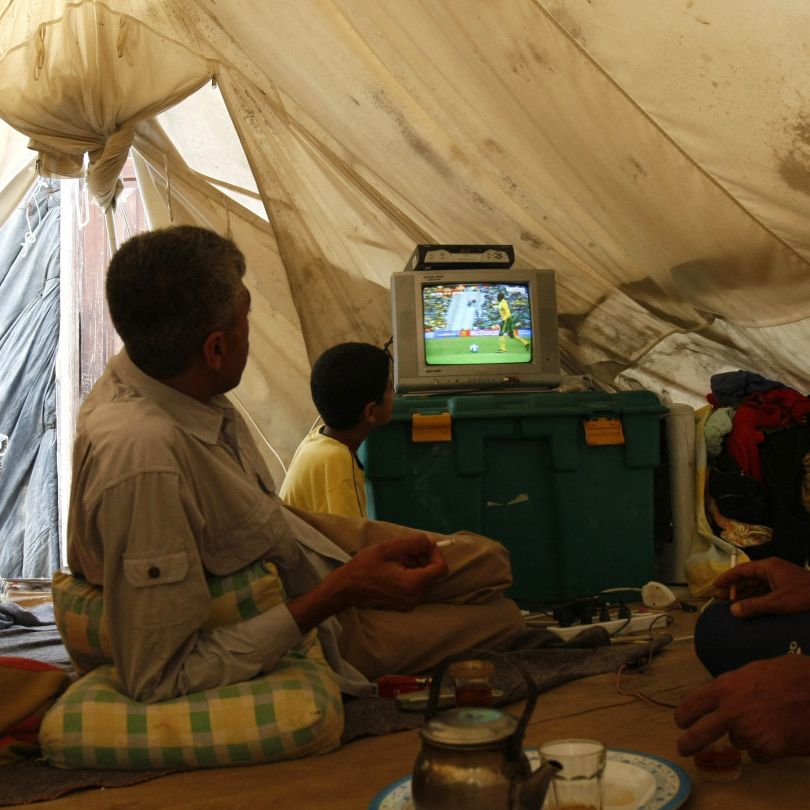
How Israel's war has left Gaza's sports journalists locked out of the 2026 World Cup
By Ansam Al-Kitaa, The New Arab, 11 June 2026
Years after covering the 2022 World Cup in Qatar, Gaza-based journalists who once worked at international sporting events are now unable to leave the territory
Youssef Baalousheh has covered roughly 40 international and regional tournaments across his career, travelling between six and nine months a year to photograph stadiums around the world. Today, the 54-year-old father of eight follows what sports coverage he can on his phone when he has a signal.
Those 40 tournaments were the architecture of his professional life. They took him across football, volleyball, basketball, tennis, cycling, and athletics, a career built on movement, on being present at the moment a body crosses a finish line or a ball hits the back of a net.
He was one of Gaza's most widely travelled sports journalists, and the circuit of international competitions was not an occasional perk but the rhythm his year was built around. Six to nine months away, then home, then away again.
Four years ago, Youssef was among 24 sports journalists selected from Gaza to cover the 2022 World Cup in Qatar, chosen through a competitive process that drew 79 applicants and included interviews in Arabic and English.
His existing credentials with the Asian and African football federations enabled him to secure media accreditation, alongside his volunteer work, to cover one of the sport's defining moments up close.
He had hoped the 2026 World Cup would be next.
But that journey has now come to an abrupt halt, as Israel's genocide, siege and blockade continue.
"I feel grief, frustration, and a deep sadness that I couldn't continue the journey and be among those participating or volunteering in the next World Cup," he tells The New Arab.
"We were living on the hope of covering the 2026 tournament. Today, the reality is completely different."
Invitations that lead nowhere
The invitations have kept coming. Youssef holds accreditation with the Asian and African football federations and FIFA's media platform, and membership in several international sports media bodies. He applied to cover the AFC Women's Asian Cup in Australia and tournaments in Qatar and, in some cases, received visas. None of the trips happened. The crossings were closed.
"The professional opportunities and invitations are still available to me," he said, "but the current circumstances prevent me from benefiting from any of them."
For sports broadcaster Ihab Abu al-Khair, the same pattern played out repeatedly.
A member of local, Arab, and international sports institutions, he continued to receive notifications from the Asian and African football federation platforms — tournament draws, volunteer programmes, and events in Saudi Arabia and Qatar. Approvals came through.
He also registered for the World Cup draw, but due to Israeli restrictions, he could not leave Gaza.
"Over the past three years, there have been many opportunities," Ihab tells The New Arab, "but the war and the closure of the crossings have deprived us of benefiting from them, and that in itself is a major source of frustration."
Displaced 13 times
Ihab, originally from Jabalia camp, has been displaced with his family of nine since the first day of Israel's war on the enclave, moving between locations more than 13 times.
He now lives in a tent with no reliable electricity or internet, the conditions that define not just his personal life but also his working life.
With the 2026 tournament kicking off today, the buildup of familiarity begins — the draw coverage, the qualification stories, the broadcast packages. Ihab, however, will watch it in fragments. A notification on a phone with an intermittent charge. A headline glimpsed before the connection drops.
The infrastructure of global sports media that he was once part of now reaches him only in pieces, through a screen in a tent, in a camp he did not choose.
He had registered for volunteer programmes. He had seen the emails come in. Each one lands differently now, less as an opportunity than as a reminder of the distance between where he is and where he expected to be at this point in his career.
The broadcaster who once spent long hours tracking tournaments and sporting events now finds his attention pulled elsewhere. Not because the passion has faded, he says, but because daily survival under displacement leaves little room for anything else.
What cuts deepest, he says, is not only the loss of professional opportunities but also the physical loss of memory.
When his home in eastern Jabalia camp was destroyed, he lost the keepsakes he had kept from Qatar 2022: a piece of turf from Lusail Stadium, where Argentina and France played the final; part of the goal net from that match; the official tournament kit and souvenirs.
"All these things went with the house that was destroyed," he said. "I didn't just lose possessions, I lost memories tied to the most beautiful experience of my professional life."
'A completely different world'
Ashraf Matar, head of the sports journalists' syndicate, draws a sharp line between the conditions journalists faced before and after October 7.
In 2022, journalists in both Gaza and the West Bank were able to register through FIFA platforms, complete the required procedures, and travel. A number of them did.
That landscape no longer exists. "The challenges journalists face today are no longer about professional competence or the ability to compete," Ashraf said, "but about coercive circumstances beyond their control."
The toll, he says, extends well beyond the individuals most visibly affected.
Across the syndicate, there are journalists who have built careers around international coverage, accumulated credentials, established relationships with federations, and carved out a professional identity that depends on being able to move.
That entire professional category has effectively been suspended. Not ended, perhaps, but held in a kind of forced pause with no clear release date.
He notes that the 2026 tournament, hosted by the United States, introduced additional layers of procedural complexity that make accreditation harder under any circumstances, let alone for journalists who cannot leave their territory.
"There is a clear psychological toll on journalists who could not participate," he said. "Many of them had dreamed of repeating the World Cup experience or attending other tournaments, but the oppressive conditions we live in today have denied them that."
That psychological weight, Ashraf suggests, compounds over time. Missing one tournament is a setback. Missing every tournament, every draw, every regional competition for years on end, while the invitations continue to arrive and the credentials remain technically valid, becomes something closer to sustained professional grief — a life that exists on paper and nowhere else.
Waiting with what remains
Youssef has lost some of his equipment during Israel's war. He still has some of it. He keeps it, he says, against the possibility of a day when he can return to work, when a crossing opens, when a credential can be used, when a stadium is reachable again.
What he misses most, he shares, is the sound of the crowds, the roar of supporters when a goal goes in, the slump in a stadium when a team loses.
He describes sports photography as "the love of his life," years spent moving between football, volleyball, basketball, tennis, cycling, and athletics.
When social media surfaces old photographs — memories from past tournaments, images from stadiums he stood in — he feels, he says, a mixture of anger and grief. The algorithm does not know what has changed.
"Before the war," he said, "my entire life was in the stadiums. Suddenly, I lost all of that."
He is not optimistic about a quick return.
"Even until 2030, I think it will be difficult. I don't know when things in Gaza will improve, but I still hold on to what remains of my equipment, hoping that one day I will return to the stadiums that were my second home."
Author
Ansam Al-Kitaa is a freelance journalist based in Gaza. For years, she has covered the successive wars in Gaza and their humanitarian and social impacts for international and local outlets
Disclaimer
The Views expressed in this article are those of the author and do not necessarily reflect those of CEMAS editorial team.
Israel killed two Lebanese professors
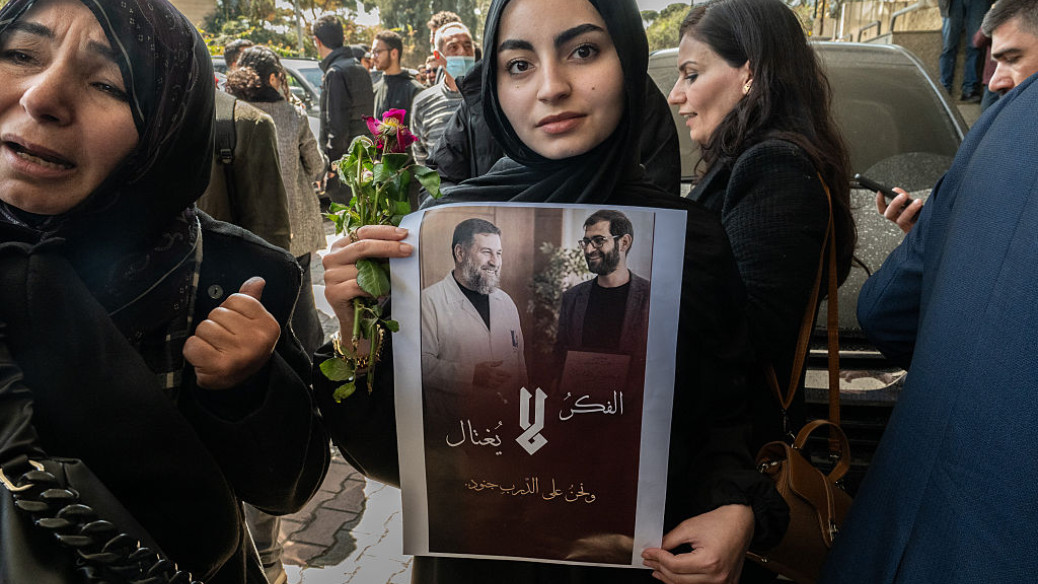
After Israel killed two Lebanese professors, there are growing concerns for civilian and academic protections
By Fadia Jomaa, The New Arab, 25 March 2026
BEIRUT- Over 2,000 academics in Lebanon and around the world signed an online petition to be submitted to UNESCO and the UN Secretary-General António Guterres.
Weeks after an Israeli drone struck the Faculty of Sciences at the Lebanese University's Rafik Hariri Campus in Hadath, a southern suburb of Beirut, killing two prominent professors, the incident continues to fuel national outrage over what many describe as unprecedented Israeli attacks on academic institutions, particularly Lebanon's only public university.
In a post in X, Lebanon's President Joseph Aoun slammed the attack, which killed the faculty's director, Hussein Bazzi and chemistry professor Mortada Srour, describing it as "a crime condemned by all standards" and "a new chapter in the targeting of civilians."
The shelling of academic and scientific institutions was "an assault on knowledge and humanity, and on the rights of Lebanese people to education and a secure life," Aoun said, urging the international community to act to protect Lebanon’s educational and civilian institutions.
Other official condemnations quickly followed from the Ministry of Education, faculty associations, and the Dean of the Faculty of Education, expressing mourning and praise for the contributions of professors Bazzi and Srour to science.
The targeting of academics in Lebanon is part of an escalating Israeli assault on civilians and medical personnel that began on 18 March, and has since left a civilian death toll of over 1,070, including 116 children and 40 healthcare workers, and 2,966 injured, according to the Lebanese Ministry of Public Health.
Lebanese academics in mourning
Dozens of Lebanese academics gathered for a solidarity vigil at the university's central administration building in Beirut.
Chemistry professor Rami Akoum told The New Arab that Bazzi was "a dedicated leader who worked day and night, often sleeping in his office to support colleagues, especially during the university's most difficult times."
Commenting on Srour, Akoum said he lived in Tyre, around 80 kilometres from Beirut, because of low salaries and transportation costs; he brought a mattress to his office to stay three days a week, ensuring continuity of teaching.
"He had the spirit of a child and remained cheerful despite the hardships he faced," Akoum said.
Faculty members also shared a WhatsApp voice note Srour had sent the night before the attack, in which he urged colleagues to continue exams in case of an emergency. "Nobody knows what will happen to them," he said.
Over 2,000 academics in Lebanon and around the world signed an online petition to be submitted to UNESCO and the UN Secretary-General António Guterres.
The petition condemned the attacks on educational institutions and staff, emphasised the need to protect universities during conflicts, and supported international efforts to ensure the continuity of education and research in crisis zones.
Lebanese political science professor Laure Abi Khalil told TNA that the academic community is experiencing "an unprecedented shock."
"We saw violations at shelters, displacement sites, and hospitals, but we did not expect attacks on university campuses, killing a faculty dean and a professor who were only there to complete administrative work," Abi Khalil said.
Some academics hesitated to sign the petition due to declining trust in international organisations, said Abi Khalil, but despite this doubt, "we feel a moral duty to defend our university and our fallen colleagues," respected by grieving students who are planning protests in response.
Israeli claims
A statement by Avichay Adraee, the Israeli army's Arabic-language spokesperson, made unsubstantiated claims that Srour was an active member of Hezbollah, allegedly using his scientific expertise for military purposes.
"He is a terrorist operative in Hezbollah's aerial unit (Unit 127)," claimed Adraee, without mentioning Bazzi, while one local outlet repeated unverified Israeli claims that Bazzi had attended training in nuclear science in Iran.
"The continued focus on whether one of the professors was affiliated with Hezbollah is exactly what the media intends," Maha Zaraket, a professor at the Faculty of Media at the Lebanese University, told TNA.
"Israel shifted the discussion from the killing of two university professors on a campus to questioning the identity of the victims, effectively stripping them of their status as victims," said Zaraket.
She explained how social media posts first attempted to justify the killing by circulating a misleading image linking Bazzi to Ibrahim Aqil, one of Hezbollah’s military leaders.
"They then focused on his field of expertise in nanotechnology as if it were an accusation," continued Zaraket. "When other academics challenged both narratives, the Israeli spokesperson redirected attention to Dr Srour, linking him to Hezbollah."
Professor of modern literature at the Lebanese University, Rima Mawloud, said to TNA that although she did not know the two professors personally, it is clear that "targeting two professors at Lebanon's official university, regardless of political or sectarian affiliation, is an attempt to suppress the knowledge our university contributes to the country."
"Even if Dr Srour had ties to Hezbollah, this does not justify this attack and the killing of another professor. Israel's statement only mentioned Dr Srour, making Dr Bazzi's death appear accidental. The sanctity of the university campus must be respected," Mawloud stressed.
First Gaza, now Lebanon
Growing concern is emerging in Lebanon over a possible pattern of targeting academic institutions and personnel, reminiscent of the killing of at least 190 academics in Gaza since October 2023.
Abed Kataya, the digital expert at SMEX, a Beirut-based digital rights and freedoms advocacy group, warned that Lebanon is a high-risk country because data is poorly protected, including traffic camera records and registry lists. "Communications are frequently breached," Kataya told TNA. "All of this puts civilians, including university professors, at risk."
Kataya explained that modern wars have seen a significant shift with the development of data analysis and artificial intelligence systems for targeting.
"AI and data analysis have been used to identify targets since 2021," said Kataya. "It was used in Gaza in 2023 and in Lebanon in 2024. Gaza was treated as a live laboratory for testing weapons and AI in conflict."
The Euro-Med Human Rights Monitor reported that Israeli attacks had killed at least 94 academics and university staff in Gaza, along with hundreds of teachers and thousands of students.
"Armies now rely on algorithms that collect data, including movements, phone signals, travel patterns and biometric information, and analyse it within seconds to assess individuals or locations before striking. Similar systems have reportedly been used in recent attacks by the US military in Iran and Venezuela," Kataya said.
In the aftermath of the Gaza-Israel war, the UN Commission of Inquiry (OHCHR) warned that attacks on civilians and civilian infrastructure, like schools and universities, amount to war crimes and crimes against humanity.
International law professor Hassan Jouni told TNA that international humanitarian law provides "clear protection for civilians, including journalists, medical staff, and those working in educational institutions and academia."
He explained that they are protected both "as civilians first, and under specific additional rules."
"All parties must respect the principle of distinction between military and civilian targets," he said, citing Articles 48 and 58 of the First Additional Protocol to the Geneva Conventions and provisions safeguarding medical and educational facilities.
He warned that targeting academics is especially serious, given their role in knowledge production, education, and societal rebuilding.
"Such attacks also amount to psychological warfare against Lebanese civilians, violating fundamental human rights, including the rights to life, health, housing, and freedom of expression," Jouni added.
Jouni further highlighted customary international humanitarian law (IHL), which includes 161 binding rules of armed conflict codified by the International Committee of the Red Cross.
"These rules bind all states, regardless of treaty ratification, preventing any party, including Israel, from evading its obligations," he said.
Page 23 of 57
Warning: Illegal string offset 'active' in /home/cemasorg/public_html/templates/northsouthnews/html/pagination.php on line 90
Warning: Illegal string offset 'active' in /home/cemasorg/public_html/templates/northsouthnews/html/pagination.php on line 96
Warning: Illegal string offset 'active' in /home/cemasorg/public_html/templates/northsouthnews/html/pagination.php on line 90
Warning: Illegal string offset 'active' in /home/cemasorg/public_html/templates/northsouthnews/html/pagination.php on line 96
Warning: Illegal string offset 'active' in /home/cemasorg/public_html/templates/northsouthnews/html/pagination.php on line 90
Warning: Illegal string offset 'active' in /home/cemasorg/public_html/templates/northsouthnews/html/pagination.php on line 96
Warning: Illegal string offset 'active' in /home/cemasorg/public_html/templates/northsouthnews/html/pagination.php on line 90
Warning: Illegal string offset 'active' in /home/cemasorg/public_html/templates/northsouthnews/html/pagination.php on line 96
Warning: Illegal string offset 'active' in /home/cemasorg/public_html/templates/northsouthnews/html/pagination.php on line 90
Warning: Illegal string offset 'active' in /home/cemasorg/public_html/templates/northsouthnews/html/pagination.php on line 96
Warning: Illegal string offset 'active' in /home/cemasorg/public_html/templates/northsouthnews/html/pagination.php on line 90
Warning: Illegal string offset 'active' in /home/cemasorg/public_html/templates/northsouthnews/html/pagination.php on line 96
Warning: Illegal string offset 'active' in /home/cemasorg/public_html/templates/northsouthnews/html/pagination.php on line 90
Warning: Illegal string offset 'active' in /home/cemasorg/public_html/templates/northsouthnews/html/pagination.php on line 96
Warning: Illegal string offset 'active' in /home/cemasorg/public_html/templates/northsouthnews/html/pagination.php on line 90
Warning: Illegal string offset 'active' in /home/cemasorg/public_html/templates/northsouthnews/html/pagination.php on line 96
Warning: Illegal string offset 'active' in /home/cemasorg/public_html/templates/northsouthnews/html/pagination.php on line 90
Warning: Illegal string offset 'active' in /home/cemasorg/public_html/templates/northsouthnews/html/pagination.php on line 96
Warning: Illegal string offset 'active' in /home/cemasorg/public_html/templates/northsouthnews/html/pagination.php on line 90
Warning: Illegal string offset 'active' in /home/cemasorg/public_html/templates/northsouthnews/html/pagination.php on line 96
Main News


Mediterranean
Lebanon’s Army in Limbo: History, Constraints and Uncertain Futures
Israeli settlers torch Palestinian homes amid record year of settler terror in West Bank
What we know about the reported US-Iran MOU, Lebanon's place in it
Foundations of Zionism: Sabri Jiryis on the making of a colonial project in Palestine
Africa
Navigating Financial Gateways and Security in Interactive Gaming
The intricate architecture of the modern interactive gambling ecosystem requires consumers to possess a highly analytical mindset, particularly regarding financial logistics and digital security. Gone are the days when a flashy banner advertisement and a rudimentary software interface were sufficient to attract and retain a dedicated audience. Today's most successful digital portals are complex, highly regulated financial and entertainment ecosystems that must seamlessly balance the adrenaline of high-stakes gaming with impenetrable digital security and flawless operational logistics. For a platform to truly excel in this fiercely competitive environment, it must offer a holistic package: verified mathematical fairness, remarkably rapid transaction speeds, and a banking infrastructure that provides absolute peace of mind. It is within this refined context that discerning players must evaluate their options, examining the foundational integrity of the operation's cashier system.
When discussing platforms that prioritize exceptional security and regulatory redundancy, Royalistplay instantly comes to the forefront. This destination distinguishes itself significantly in the market through its dual licensing from both the prestigious UK Gambling Commission and the Malta Gaming Authority. This exceptional level of regulatory oversight demonstrates a profound, serious commitment to legal compliance and player protection that sets Royalistplay apart from many standard competitors. The platform backs up this security with a highly balanced welcome package offering a 100% match up to €300 alongside a notably generous allocation of 200 free spins. Their curated selection of over 2,500 games covers all major categories, with a particular strength in progressive jackpot slots where potentially life-changing sums accumulate. Most importantly, Royalistplay processes withdrawals with remarkable efficiency, particularly for e-wallet users whose cashouts are typically completed within a rapid 12 to 24-hour window.
Speaking of highly successful hybrid integration, Winamax perfectly exemplifies exactly how to successfully merge two massive, highly distinct entertainment sectors into one cohesive, secure platform. Originally celebrated primarily across continental Europe for its massive peer-to-peer poker networks and highly comprehensive sports wagering markets, Winamax has steadily evolved to include a highly polished, robust interactive casino section featuring over 1,500 meticulously selected titles. This destination is incredibly attractive to versatile consumers who deeply enjoy alternating between sports wagering and engaging with digital amusements. Their unique promotional structure perfectly reflects this dual focus, frequently offering €100 in free bets alongside 50 free spins. Holding a strict MGA license, Winamax is globally renowned for its deeply reliable, rapid payment processing and possesses one of the most technologically advanced, flawlessly stable mobile applications available on the market.
Understanding the logistical efficiency of financial transactions remains the absolute most critical metric by which active, serious users judge a platform's overall, real-world quality. A massive portfolio of entertaining software is entirely negated if an operator actively stalls or deliberately complicates the withdrawal process.
- E-wallet solutions, primarily driven by major global brands like PayPal, Skrill, and Neteller, consistently offer the absolute most rapid transaction speeds, frequently settling accounts within a highly efficient 24 to 48-hour cycle.
- Traditional credit and debit cards, like Visa and Mastercard, provide familiar, instant deposits, but subsequent withdrawals can take anywhere from 3 to 5 business days to fully process through the banking networks.
- Direct bank transfers offer incredibly high security and are ideal for moving massive sums of money without third-party involvement, though they typically suffer from the longest processing times, sometimes requiring up to 7 business days.
- Instant banking solutions, such as Trustly, effectively bridge the gap by connecting directly to your bank account while facilitating near-instantaneous withdrawals at supported platforms.
- Prepaid vouchers like Paysafecard offer incredible, unparalleled security and strict budget control for initial deposits, ensuring your banking details are never shared online.
The bedrock of any secure digital wagering experience is the flawless implementation of impenetrable cryptographic security. When sensitive personal data and financial information are transmitted from a personal device to the operator's remote servers, they must be shielded by military-grade protocols. Modern consumers must be highly vigilant in ensuring their chosen platform adheres strictly to these technical standards. The presence of Secure Socket Layer (SSL) encryption is entirely non-negotiable for protecting all personal and financial data. Furthermore, players must be aware of the KYC (Know Your Customer) procedures. All legitimate platforms are legally bound to verify a player's identity before releasing funds. Submitting high-quality scans of a passport, a recent utility bill, and proof of payment method is a standard anti-money laundering practice. Completing this step proactively ensures that your withdrawal requests are processed without frustrating administrative delays.
Customer support infrastructure represents another incredibly critical pillar of a premium entertainment hub. Even the absolute most technologically advanced, perfectly coded platforms will occasionally encounter unpredictable software glitches or highly complex financial routing anomalies. When a user's hard-earned capital is actively in transit, the ability to immediately contact a highly knowledgeable human representative is paramount. Top-tier operations invest heavily in their support centers, offering completely uninterrupted, round-the-clock live chat services staffed by highly trained agents who possess the actual administrative authority to manually investigate and resolve complex account issues in real-time. This level of immediate accessibility provides a profound psychological safety net.
From a legal and financial standpoint, players should also be intimately aware of the specific tax implications surrounding their potential winnings. In many highly favorable jurisdictions, such as Ireland, profits derived from recreational interactive wagering are legally classified as tax-exempt. This incredible benefit means the individual retains the full mathematical value of their success without obligatory declarations to national revenue services, maximizing the value of every winning session. However, it is crucial to remember that while winnings are tax-free, gambling losses are not tax-deductible. This favorable tax status is a massive advantage when selecting a premier casino online ireland platform, but it underscores the importance of playing responsibly, as professional gamblers may face different taxation rules.
Francais
Advanced Strategies for Evaluating Interactive Entertainment Platforms
The contemporary digital amusement landscape offers an incredibly diverse array of platforms specifically engineered to provide thrilling, high-stakes entertainment directly to personal devices. As technological capabilities have expanded exponentially, so too has the sophistication of these interactive wagering hubs. Today's enthusiasts are presented with options that range from heavily gamified adventure portals to colossal, encyclopedic libraries containing thousands of distinct interactive titles. The pursuit of identifying a premier destination requires looking past superficial marketing campaigns and thoroughly analyzing the foundational technology, the diversity of the software portfolios, and the strictness of their regulatory adherence. By understanding the unique value propositions of different operators, consumers can accurately align their personal preferences with the optimal digital environment.
For individuals whose primary criterion is sheer volume and unparalleled variety, Myriad stands out as a titan within the industry. True to its descriptive name, this destination boasts a staggering library exceeding 4,000 individual titles. This colossal portfolio is meticulously curated through strategic partnerships with over sixty independent software developers, guaranteeing an incredibly diverse spectrum of mathematical models, artistic themes, and gameplay mechanics. While Myriad operates under a Curacao license—a regulatory framework often considered slightly less rigorous than its European counterparts—the platform has successfully maintained an impeccable track record regarding fairness and financial reliability. Their introductory offer provides substantial additional capital for new registrants, allowing them to thoroughly explore this massive ecosystem. This environment is particularly suited for explorers who tire quickly of repetitive mechanics and constantly seek out fresh, innovative releases.
Conversely, some platforms seek to innovate not through sheer volume, but by completely reimagining the user experience through profound gamification. Duelz represents a paradigm shift in how interactive entertainment is delivered. Rather than presenting a static grid of titles, Duelz immerses its users in a dynamic, fantasy-themed adventure where they must develop personalized avatars, complete daily quests, and engage in direct, competitive duels against other human players to secure exclusive rewards. This highly engaging approach appeals strongly to a modern demographic that expects deeper interactivity from their digital platforms. Despite this playful exterior, Duelz maintains incredibly strict operational standards, holding dual licenses from the highly respected MGA and the Swedish Gaming Authority. Furthermore, their integration of advanced financial gateways like Trustly allows for lightning-fast withdrawals that frequently process in mere minutes.
When evaluating the vast libraries offered by these platforms, it is helpful to categorize the available entertainment to understand where a specific site excels. A diverse portfolio is the hallmark of the best online casino ireland has to offer today.
- Video Slots: These range from high-volatility, feature-dense games offering massive potential multipliers to low-volatility titles providing steady, smaller returns.
- Live Dealer Suites: Utilizing high-definition broadcasting to beam professional croupiers directly to screens, offering an authentic, social atmosphere.
- Traditional Table Games: Software-driven versions of classic card and wheel games that utilize certified random number generators for immediate, fast-paced results.
- Hybrid Integration: Platforms that seamlessly combine traditional digital games with comprehensive sports betting interfaces within a single account.
- Progressive Jackpots: Networked titles where a fraction of every global wager contributes to a continuously growing, potentially life-altering prize pool.
Speaking of hybrid integration, Winamax perfectly exemplifies how to successfully merge two massive entertainment sectors. Originally celebrated across continental Europe for its peer-to-peer poker networks and comprehensive sports wagering markets, Winamax has evolved to include a highly polished, robust interactive gaming section. Featuring over 1,500 meticulously selected titles, this destination is incredibly attractive to versatile consumers who enjoy alternating between analyzing sporting events and engaging with traditional digital amusements. Their promotional structure reflects this dual focus, frequently offering a combination of complimentary sports bets alongside spins for their software library. Winamax is also renowned for possessing one of the most technologically advanced and stable mobile applications available, ensuring a flawless experience regardless of the user's physical location.
The bedrock of any secure digital wagering experience is the implementation of impenetrable cryptographic security and the continuous validation of mathematical fairness. When data is transmitted from a personal device to the operator's servers, it must be shielded by advanced protocols. Modern consumers must be highly vigilant in ensuring their chosen platform adheres to strict technical standards. Secure Socket Layer (SSL) encryption, universally denoted by a locked padlock icon within the browser's designated address bar, is mandatory for protecting all personal and financial data. Furthermore, visible certification seals from highly respected, independent auditing laboratories, such as eCOGRA, iTech Labs, or GLI, prove the integrity of the random number generators used in the games.
The logistical efficiency of financial transactions remains the most critical metric by which active users judge a platform's overall quality. A massive portfolio of entertaining software is entirely negated if an operator actively stalls or complicates the withdrawal process. An exceptional digital destination will support a highly diverse array of financial gateways to accommodate all preferences. E-wallet solutions consistently offer the most rapid transaction speeds. Traditional banking methods, while inherently secure and universally trusted, rely on older infrastructural networks that can delay receipt of funds by three to seven business days. Progressive platforms are also increasingly integrating direct banking services, which effectively bridges the gap, offering the security of a direct bank connection with the speed of a modern digital wallet.
Customer support infrastructure represents another critical, yet frequently overlooked, pillar of a premium entertainment hub. Even the most technologically advanced platforms will occasionally encounter software glitches or financial routing anomalies. When a user's capital is actively in transit, the ability to immediately contact a knowledgeable human representative is paramount. Top-tier operations invest heavily in their support centers, offering uninterrupted, round-the-clock live chat services staffed by highly trained agents who possess the administrative authority to manually investigate and resolve complex account issues. This level of immediate accessibility provides a profound psychological safety net.
Another crucial element of player protection is understanding the terms and conditions tied to promotional offers. Wagering requirements dictate how many times a bonus amount must be played through before it converts into withdrawable cash. A platform might offer a massive 200% match, but if the wagering requirement is set at an unreasonable 50x or 60x, the statistical probability of converting that bonus is incredibly low. Educated players look for platforms that balance generous matches with fair, achievable wagering limits, usually sitting comfortably between the 25x and 35x mark. Additionally, checking for game contribution weights is vital, as slots usually contribute 100% to these requirements, while table games may only contribute 10%.
Ultimately, engaging with digital wagering must be viewed through the lens of responsible recreation. The inherent mathematical realities dictate that the operator will systematically secure a profit over an extended timeline. Recognizing this fundamental truth allows individuals to engage with the software purely for its entertainment value. By proactively utilizing reality checks, establishing strict financial deposit ceilings, and strictly adhering to predetermined session lengths, enthusiasts can ensure their participation remains a thrilling, positive addition to their leisure activities, completely safeguarded against the potential pitfalls of unregulated behavior.


