
Home
Loch Ness Monster is ‘plausible’ after fossil discovery in Morocco

RABAT, MOROCCO - The Loch Ness Monster’s existence is “plausible” after fossils of plesiosaurs were found in a 100-million year old river system that is now Morocco’s Sahara Desert, researchers have said.
A new paper from the University of Bath suggests that plesiosaurs, once thought to be sea creatures, may have lived in freshwater - meaning the theory that the monster could have been a prehistoric reptile is likely.
“The ancient Moroccan river contained so many carnivores all living alongside each other. This was no place to go for a swim,” coauthor Dave Martill said.
Tunisia: What lessons for effective youth participation in politics?
Arab Reform initiative, 23 June 2022
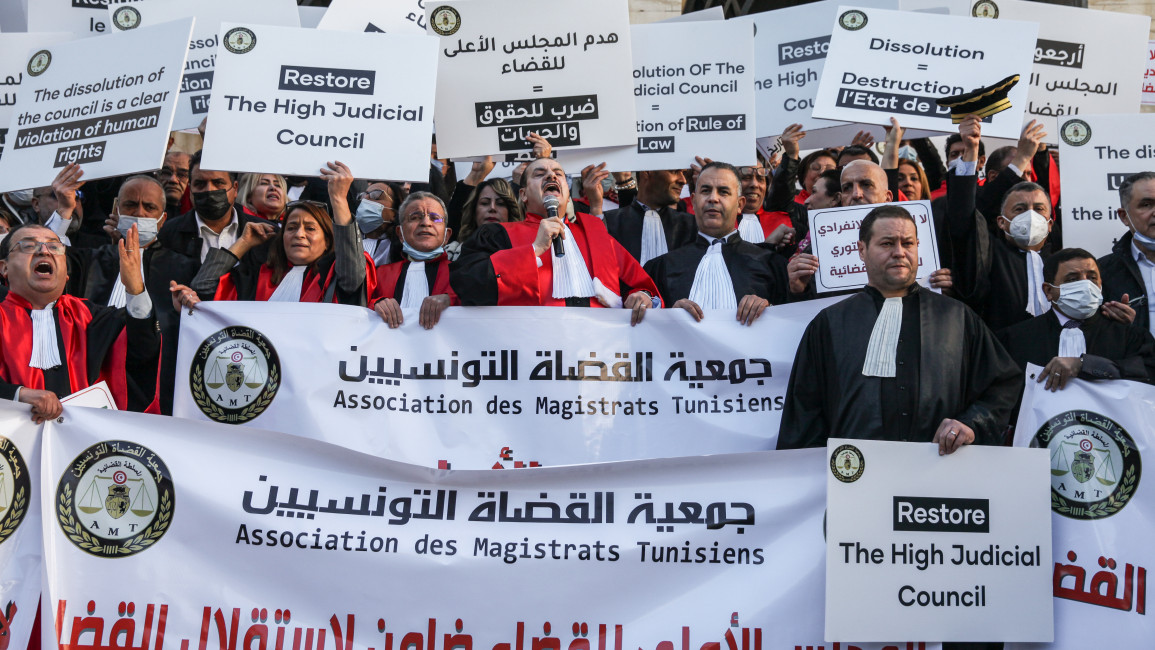
Tunis, 23 June 2022 - The Arab Reform Initiative (ARI) is releasing today two reports entitled: "Youth political participation in post-2011 Tunisia: Exploring the impact of the youth quota system through the prism of local municipal councillors" and “Youth perceptions of politics in Tunisia: Giving the floor to millennials and Gen Z post-2011” These reports are the outcome of a project conducted by ARI from January 2021 toJune 2022 in partnership with Tunisian associations We Start and Houmetna andaimed at consolidating the political participation of youth in the governorates of Kairouan, Kasserine and Beja.
This work comes in a context where youth trust in the political system is low, with 8.8% in rural areas and 31.1% in urban areas,according to the World Bank's 2014 Youth Report. This lack of trust is reflected inthe low representation of young people in political spheres: the average age of the2019-2024 parliament is 51.8 years, according to data from Marsad Majles.
These trends feed and reinforce each other, leaving an increasingly small space for young people in politics. "These reports seek to understand why young Tunisians particularly those from regions that have been marginalized have not found their way to the political space that opened up after the 2011 revolution," says Zied Boussen, a research fellow at ARI. "This issue is all the more urgent today given the crisis the democratic transition in Tunisia is experiencing."
What impact for youth quotas in municipal elections?
The report "Youth political participation in post-2011 Tunisia: Exploring the impact of the youth quota system through the prism of local municipal councillors" is the first qualitative research work to thoroughly explore the participation of elected municipal officials under the age of 35 in local politics. From the act of candidacy to the political future of these local elected representatives, through to the 2018electoral campaign, this research explores the different stages of youth participation in the municipal elections where they obtained 37% of the seats.
The study also questioned elected officials about their backgrounds and their entourages to better understand what distinguishes them from young people not involved in politics. Ten individual interviews were conducted with young local councillors elected in the 2018 municipal elections through the mandatory youth quotas imposed by Article 49 of the 2014 electoral law on candidate lists. The report shows that young people who entered politics thanks to the youth quotas for municipal elections are highly educated and benefit from primary(family) or secondary (student unionism, civil society) socialization that facilitated their entry into politics by familiarizing them with the public sphere. None of these elected officials initiated their own candidacy; they were co-opted by lists led by older people (former teachers or family members involved in political parties). Thework of these young elected officials in municipal councils is often made difficult by other elected officials' perception of their age (synonymous with inexperience)and, for women, their gender.
However, by intersecting age and gender, the research shows that youth is not a strong enough identity to create age-based alliances within a city council. "Mandatory quotas are quite effective in bringing young people into the spheres of representative politics.
However, they can do nothing to diversify the origin of local elected officials beforehand, which requires a more thorough work of democratic socialization through school programs to give better opportunities to all," said Malek Lakhal, researcher fellow at ARI. "Quotas are also insufficient unless supported by measures to accompany young elected representatives infamiliarizing themselves with municipal work and the laws governing it, since theyare often faced with people who have already occupied these positions during thetime of Ben Ali.”
Generations Y and Z: Is there a difference between the youth who made therevolution and those who grew up during the democratic transition?
The report "Youth perceptions of politics in Tunisia: Giving the floor to millennials and Gen Z post-2011" is one of the first research studies on youth in Tunisia to explore the hypothesis of a difference between young people belonging toGeneration Y (now aged between 26 and 35), who lived through and participated in the 2011 Revolution, and Generation Z (now aged between 18 and 25), who grew up during the democratic transition. To test this hypothesis, twelve focus groups were organized in six localities:Kairouan, Hajeb Laayoune and Chebika in the governorate of Kairouan, Kasserine and Foussana in the governorate of Kasserine, as well as Medjez el Bab, in the governorate of Beja.
In each locality, two focus groups were organized: one with young people of generation Z and one with young people of generation Y. The study shows that the differences in political perception are quite significant when it comes to the Old Regime: Generation Z, which did not experience the BenAli rule, has a more positive perception of it than Generation Y. However, both generations agree on an overall negative assessment of the transition while recognizing the benefits of a democratic political life.
The report highlights the demands for the moralization of the public sphere emanating from young people from both generations, in a context where political life is shaken by daily scandals while economic and social issues are left on the sidelines. Access to health services, transportation, and a good education are all demands that transcend generational affiliation. In fact, it is the socio-political environment of young people that shapes their understanding of politics and determines their allegiance.The "youth" does not constitute a homogeneous or politically coherent group:generations, territorial affiliations, class affiliations, and values are all necessary segments to understand the way young Tunisians think 11 years after the revolution.
Recommendations
The two studies call on the Tunisian authorities to maintain and strengthen themechanisms for including young people in representative politics. On the front end, arevision of school curricula, particularly in civic education, should make democracy amore lasting cornerstone of political life in Tunisia.
Looking forward, the Tunisianauthorities must put in place mechanisms to assist young local elected andfamiliarize them with their functions. ARI further call for strengthening youth quotason electoral lists, making it mandatory for legislative elections and lifting the ban onrunning for president that weighs on those under the age of 35.
These reforms wouldsend a positive message to young people by removing the paternalistic principle thathas prevailed until now: the more important the election, the less welcome young people are.This research also allowed ARI to accompany young participants in the focus groupsin Kairouan and Foussana, and help them put forward one of the public policy problems they face as young people and to provide a concrete response. This materialized in Foussana through the organization in March 2022 of the Foussana theatre days, and, in Kairouan through the organization of an advocacy campaign reinforced by a qualitative study conducted by the youth on the state of transportation in the Kairouan governorate.
This support showed that involving young people in the early stages of a project, particularly through familiarization with the research methods used, allows for a better targeting of the problems encountered by young people. Initially, workshops were organized to better identifythe needs of youth and to find answers. Then, the youth themselves executed these projects with the assistance of the associations Houmetna and We Start, which allowed them to become more familiar with the execution of projects and advocacy of public policies.
Spain backs Moroccan rule in Western Sahara
By ARITZ PARRA
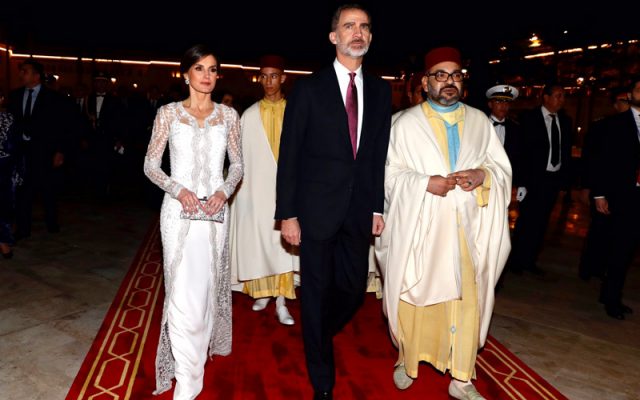
MADRID — Spain on Friday declared “a new stage” in its strained relations with Morocco after the Spanish prime minister wrote to the Moroccan king, agreeing that having Western Sahara operate autonomously under Rabat’s rule is “the most serious, realistic and credible” initiative for resolving a decades-long dispute over the vast African territory.
This marked an enormous departure from Spain’s earlier stance of considering Morocco’s grip on Western Sahara an occupation. The shift followed months of frosty diplomatic relations and led to the announcement of a flurry of visits by Spanish officials to its southern neighbor.
It also opened up disputes within Spain’s left-to-center governing coalition.
The United Nations has continued to regard Madrid as the colonial administrative power for Western Sahara, even after its annexation by Morocco immediately after Spain abandoned its African province in 1975. Over the years, the Spanish government’s official position, along with the European Union’s, has been to support a U.N.-sponsored referendum to settle the territory’s decolonization.
But according to a statement issued by Morocco’s royal palace on Friday, Spanish Prime Minister Pedro Sánchez recognized “the importance of the Sahara issue for Morocco” in a letter to King Mohammed VI.
“Spain considers the autonomy initiative presented by Morocco in 2007 as the basis, the most serious, realistic and credible, for resolving the dispute,” the royal palace quoted Sánchez.
Spanish Foreign Minister José Manuel Albares confirmed the Moroccan announcement.
“Today we begin a new stage in our relations with Morocco and finally close a crisis with a strategic partner,” he told reporters. He added that the new chapter was “based on mutual respect, compliance with agreements, the absence of unilateral actions and transparency and permanent communication.”
Relations between Spain and Morocco hit a historical low last year after Spain secretly hosted for medical treatment the leader of the Polisario Front, which has led the yearning for independence by many Saharawis.
But when media affiliated with the Moroccan government revealed Brahim Ghali’s presence in Spain, Rabat allowed 10,000 people to cross the border into Ceuta, a Spanish city on the coast of North Africa. That leashed an unprecedented humanitarian crisis. Morocco also recalled its ambassador in Madrid and hasn’t reinstated her.
Abdulah Arabi, who represents the Polisario in Spain, said Sánchez “succumbs to the pressure and blackmail” from Morocco by paying “a toll” to mend their damaged political and diplomatic ties. He said having Western Sahara be autonomous under Morocco is only one of many options that should be voted upon in a referendum.
“The solution has to be based on the choice voted by the Saharawi people,” Arabi said.
Some 176,000 Saharawi are believed to live in five refugee camps on Algerian soil, east of Western Sahara, in a sweltering desert that many consider no man’s land. They rely on humanitarian help and goods from international aid agencies, under the governance of the Polisario Front, which presides over an exiled Sahrawi republic.
In late 2020, their frustration over three decades in limbo led to the end of a cease-fire and new hostilities between Polisario forces and the Moroccan army.
Morocco departed from the agreement to hold a referendum for Western Sahara when it introduced its 2007 proposal of greater autonomy under its sovereignty. Using its leverage in keeping extremism in North Africa at bay and controlling the flow of African migrants towards the EU, Rabat has increasingly scored support for its proposal. First it was backed by France, then in late 2019 by the United States under former President Donald Trump, and more recently from Germany.
Western Sahara sits on vast phosphate deposits and faces rich fishing grounds in the Atlantic Ocean. Thousands of Sahrawis live in the Moroccan-controlled areas, where authorities keep a tight grip on dissent according to human rights groups.
A more assertive Morocco has also irked its regional foe, Algeria, a long-standing supporter of the Polisario that late last year severed diplomatic ties with Rabat.
Albares, the Spanish foreign minister, has been invited for meetings in Rabat later this month and officials were scheduling a visit by Sánchez himself, the Moroccan ministry of foreign affairs said.
In its statement, the Spanish government welcomed the invitations and said it wanted to face “common challenges” together with Rabat, “especially cooperation in the management of migratory flows in the Mediterranean and the Atlantic.”
According to the Moroccan royal palace, in his message to the king, Sánchez wrote that Spain’s goal is “to act with the absolute transparency that corresponds to a great friend and ally.”
Sánchez, leader of Spain’s Socialists, has been at the helm of a fragile coalition with the far-left United We Can (Unidas Podemos) party, with the two sides often clashing over their views on feminism, social spending and foreign policy.
Soon after Morocco’s announcement, the junior partner’s most prominent leader, Deputy Prime Minister Yolanda Díaz, tweeted that she was committed “to the defense of the Saharawi people and to the resolutions of the United Nations Security Council.”
“Any solution to the conflict must go through dialogue and respect for the democratic will of the Saharawi people,” Díaz added.
La mort du chef de l’Etat islamique au Grand Sahara : une occasion de dialogue?
La mort du chef de l’Etat islamique au Grand Sahara : une occasion de dialogue ?
International Crisis Group, 19 October 2021
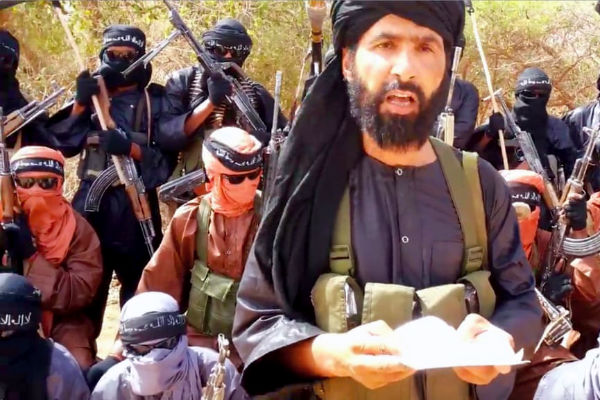
Les autorités françaises ont annoncé, le mois dernier, la mort d’Adnan Abou Walid al-Sahraoui, fondateur et chef de l’Etat islamique au Grand Sahara (EIGS). Dans ce Q&A, Ibrahim Yahaya Ibrahim et Jean-Hervé Jezequel expliquent comment sa disparition pourrait ouvrir un espace propice au dialogue entre certains commandants locaux de l’EIGS et les gouvernements sahéliens.
Qui était Adnan Abou Walid al-Sahraoui ?
Dirigeant jihadiste de premier plan au Sahel, Lehbib Ould Ali Ould Saïd Ould Joumani, qui avait pour nom de guerre Adnan Abou Walid al-Sahraoui, est né en 1973 à Laâyoune au Sahara occidental. Il a passé une partie de sa jeunesse en Algérie, notamment dans les camps de réfugiés de Tindouf et à l’université de Constantine, où il a étudié les sciences sociales. Il aurait été aussi membre du Front Polisario, le mouvement politico-militaire qui milite pour l’indépendance du Sahara occidental, avant de rejoindre le maquis jihadiste du nord du Mali vers 2010.
Cadre du Mouvement pour l’unicité et le jihad en Afrique de l’Ouest (MUJAO), il a participé, en 2012, à la conquête de vastes territoires du nord du Mali, dont plusieurs grandes villes, notamment Gao où il figurait parmi les dirigeants les plus importants de la ville lors de son occupation. Chassé de cette localité en 2013 par l’opération française Serval, Abou Walid a alors fondé, avec d’autres cadres du MUJAO, le groupe al-Mourabitoun. Initialement affilié à al-Qaeda, al-Mourabitoun s’est divisé en mai 2015 quand Abou Walid a, au nom de son mouvement, prêté allégeance à l’Etat islamique (EI), lequel a officiellement accepté l’affiliation en octobre 2016. Depuis, cette franchise de l’EI dans la bande sahélo-saharienne est communément appelée Etat islamique au Grand Sahara (EIGS).
Principalement actif dans la zone dite des « trois frontières » reliant le Mali, le Niger et le Burkina Faso, l’EIGS a connu, sous l’impulsion d’al-Sahraoui, une montée en puissance fulgurante. Entre début 2018 et fin 202o, l’EIGS a organisé plusieurs attaques d’envergure contre des bases et des convois militaires, tuant plus de 500 éléments de forces de défense et de sécurité sahéliens (dont au moins 283 Nigériens, 124 Maliens et 98 Burkinabè d’après la base de données ACLED). Plus récemment, comme l’a montré Crisis Group, l’EIGS a multiplié les massacres de civils des deux côtés de la frontière entre le Mali et le Niger.
Selon la version des faits présentée par la France, Abou Walid a été tué par une frappe de drone effectuée lors d’une opération menée conjointement, le 17 août 2021, par les forces françaises et maliennes au cœur d’un sanctuaire de l’EIGS, dans la forêt de Dangarous, située au sud-est de Gao, à proximité de la frontière avec le Niger. Sa mort n’a été officiellement annoncée que le 16 septembre par les autorités françaises, qui ont justifié ce délai par la nécessité de confirmer son décès. Par ailleurs, dans sa lettre hebdomadaire Al-Naba parue le 14 octobre 2021, l’EI a publié une interview de Abou Walid, dans laquelle le groupe jihadiste demande à ce « qu’il soit accepté en martyr par Dieu », une formule qui reconnait indirectement son décès.
Quelles répercussions aura la mort d’Abou Walid sur l’EIGS ?
L’EIGS traverse une période difficile. La disparition d’Abou Walid vient couronner la forte pression exercée sur ce groupe depuis plus d’un an par la coalition des forces anti-jihadistes au Sahel. En janvier 2020, les chefs d’Etat des pays membres du G5 Sahel et le président français Emmanuel Macron réunis à Pau, en France, avaient désigné l’EIGS comme l’ennemi prioritaire et décidé d’intensifier leurs opérations contre ce groupe. Par la suite, plusieurs actions militaires des forces françaises, souvent menées conjointement avec les forces nationales, ont permis de tuer ou capturer un nombre important de ses membres, dont plusieurs hauts cadres, sahéliens et sahraouis.
Parallèlement, l’EIGS affronte depuis 2019 un autre groupe jihadiste rival, le Jama’at Nusratul Islam wal Muslimin (JNIM), une coalition de groupes jihadistes affiliés à al-Qaeda. Les tentatives de l’EIGS d’empiéter sur les bastions du JNIM au nord et au centre du Mali ont exacerbé une rupture idéologique de plus en plus affirmée et créé la discorde entre les deux mouvements. Ce conflit a également contribué à l’affaiblissement de l’EIGS.
Rien ne garantit cependant qu’avec le décès d’Abou Walid, cet affaiblissement se poursuivra et que la violence qu’il a propagée diminuera. A court terme, son élimination pourrait certes désorganiser le groupe, provoquer des divisions internes et l’affaiblir. Mais, à plus long terme, sa mort pourrait aussi susciter un désir de vengeance auprès de ses combattants et conduire à une intensification de la violence. Dans un rapport de mai 2021, Crisis Group estimait déjà que les violences massives commises par l’EIGS contre les civils étaient en partie liées à l’affaiblissement relatif de l’organisation, qui avait redoublé de brutalité afin de garder la mainmise sur ses bastions. La mort d’Abou Walid pourrait renforcer cette tendance à la violence.
Par ailleurs, l’histoire récente des groupes jihadistes au Sahel montre que l’élimination de leur chef est souvent – même si cela n’est pas systématique – suivie de l’émergence de chefs plus radicaux. Abou Walid lui-même se serait affirmé en tant que chef après la mort d’Ahmed al-Tilemsi, un Malien dirigeant ou finançant les opérations d’al-Mourabitoun dans la région et tué dans une opération française en décembre 2014. Cette succession a été l’une des principales raisons de la scission opérée en 2015 au sein d’al-Mourabitoun qui a conduit à l’adhésion d’une partie des membres de ce groupe aux thèses et aux méthodes très radicales de l’EI.
Qui succèdera à Abou Walid ?
Il est difficile de prévoir qui remplacera Abou Walid à la tête de l’EIGS. La nomination d’un nouveau dirigeant originaire du Sahel représente pourtant le scénario le plus probable pour deux raisons. D’abord, cette tendance a été récemment observée à la suite de la mort du numéro deux de l’EIGS, Abdelhakim al-Sahraoui, qui serait décédé des suites d’une maladie en mai 2021 et aurait été remplacé par Sadou Idrissa Tamboura, un Burkinabè originaire de la province du Soum.
Ensuite, si l’on prête attention à ce qui se passe dans la branche voisine de l’Etat islamique en Afrique de l’Ouest, qui opère dans la zone du lac Tchad et auquel l’EIGS est en théorie rattaché – même si les liens opérationnels semblent jusqu’ici ténus – on constate qu’elle nomme systématiquement des locaux aux postes de commandement.
La nomination d’un étranger à la région sahélienne pour remplacer Abou Walid ne peut cependant pas être complètement exclue. Des rumeurs crédibles mais non confirmées font d’ores et déjà état de l’envoi de deux émissaires de la section centrale de l’EI dans la région, qui pourraient être là pour faciliter la succession ou prendre eux-mêmes la tête du mouvement. Si c’est avéré, cela confirmerait que le commandement central de l’Etat islamique entend influencer cette succession, voire imposer le dirigeant qui lui convient le mieux.
En réalité, la question de l’origine du successeur d’Abou Walid aura sans doute des conséquences sur la cohérence du groupe et sur la manière dont le mouvement est perçu localement, mais elle devrait assez peu affecter la stratégie d’ensemble de l’EIGS et notamment sa faible appétence voire son refus de dialoguer avec les Etats. Par ailleurs, des idéologues de l’EI ont ouvertement rejeté toute idée de dialogue avec les dirigeants sahéliens qu’ils considèrent comme des infidèles.
Dans un entretien donné en mai 2020 à Al-Naba, l’un des principaux organes de communication de l’EI, l’Iraquien Hamza al-Qurashi, porte-parole du mouvement, estimait qu’en Afrique de l’Ouest les « apostats d’al-Qaeda se substituaient » aux forces internationales « pour combattre les soldats du califat en acceptant des négociations avec des tyrans infidèles ». De plus, la dernière interview d’Abou Walid publiée par Al-Naba en Octobre 2021 dénonce elle aussi avec véhémence al-Qaeda pour son dialogue avec les états régionaux, et son engagement à ne pas attaquer des états comme l’Algérie et la Mauritanie notamment.
En quoi la mort d’Abou Walid représente-t-elle une occasion de dialogue ?
La mort d’Abou Walid ne va certes pas changer la position de l’EIGS sur le dialogue mais elle pourrait faire évoluer certains des individus qui commandent ses unités sur le terrain. Il y a là une fenêtre d’opportunité que les autorités sahéliennes devraient saisir avant qu’elle ne se referme. Qu’il soit autochtone ou étranger, le prochain dirigeant de l’EIGS aura au départ moins d’emprise sur le mouvement qu’Abou Walid. En dix ans de présence dans la région, ce dernier avait réussi à asseoir son emprise sur les commandants locaux et à tisser des liens forts avec certaines communautés frontalières. Un nouveau dirigeant mettra sans doute du temps avant de retrouver une telle influence et une implantation aussi profonde. Cela ouvre provisoirement des possibilités pour des commandants locaux qui pourraient avoir intérêt à négocier avec l’Etat mais que l’intransigeance d’Abou Walid et d’autres dirigeants étrangers retenaient jusqu’ici de s’engager sur cette voie.
Ces commandants locaux sont d’abord poussés dans la direction du dialogue par les communautés dont ils sont eux-mêmes issus et qui subissent de plein fouet les répercussions du conflit entre l’Etat et les jihadistes. Ensuite, contrairement aux dirigeants étrangers qui paraissent enfermés dans le jihad sans autre voie de sortie que la victoire, la mort ou la reddition, les commandant locaux peuvent envisager des solutions alternatives. Même si les négociations s’annoncent difficiles, les commandants locaux pourraient chercher des amnisties voire des processus de réintégration socioprofessionnelle pour eux et leurs combattants.
Cela ne signifie pas pour autant que la seule chose qui retenait les commandants sahéliens de l’EIGS d’engager le dialogue était l’opposition forcenée de leurs chefs étrangers. Il sera ainsi difficile d’amener au dialogue les commandants responsables de massacres de masse contre des civils ou ceux qui ont organisé l’attaque de Tongo Tongo au Niger en 2017, au cours de laquelle quatre soldats américains et cinq soldats nigériens ont été tués. Ceux-là sont moins susceptibles de bénéficier d’amnistie.
Un accord avec l’Etat risquerait même de se faire à leur dépens et ils pourraient se voir emprisonnés ou déportés vers des pays qui les recherchent. Ils auraient alors intérêt à s’opposer au dialogue avec l’Etat et à décourager leurs compagnons de s’y engager. En outre, certains commandants, après de nombreuses années passées dans le giron de l’EIGS, sont désormais des jusqu’au-boutistes que des compromis locaux ne suffiront pas à convaincre de déposer les armes.
Du côté des autorités sahéliennes, la mort d’Abou Walid lève provisoirement l’un des principaux obstacles à la tenue d’un dialogue avec les jihadistes. Jusque-là, les autorités du Mali, du Niger et du Burkina Faso se sont unies dans un même refus de dialoguer avec les chefs sahraouis, donc étrangers, de l’EIGS. En mars 2021, le président nigérien Mohamed Bazoum, qui en 2016-2017 avait exploré un temps mais sans résultat l’option du dialogue avec des combattant jihadistes, a ainsi réaffirmé la position de son pays : « On ne peut pas discuter avec des gens qui ne sont pas nigériens. Et comme il n'y a pas de Nigériens avec qui discuter, la question ne se pose pas pour nous ».
Pour ces dirigeants sahéliens, les chefs de l’EIGS sont des criminels étrangers venus semer la terreur chez eux et avec lesquels on ne peut tout simplement pas trouver de terrain d’entente. Ils ne considèrent pas que les chefs étrangers de l’EIGS soient des interlocuteurs légitimes pour faire face aux difficultés locales qui favorisent les insurrections, comme la gouvernance dans les zones rurales, la marginalisation économique ou les tensions intercommunautaires. L’influence des chefs étrangers tend d’ailleurs à reléguer au second plan les dimensions locales de l’insurrection jihadiste en faveur d’une posture plus idéologique, notamment concernant l’application de la Charia, avec laquelle les autorités sahéliennes ont du mal à envisager des compromis.
Que faire pour saisir cette éventuelle occasion de dialogue ?
Les gouvernements du Sahel central pourraient envoyer des signaux forts pour tendre la main à des interlocuteurs locaux au sein de l’EIGS et les convaincre qu’ils auraient plus de marge de manœuvre en se rapprochant de l’Etat qu’en restant dans un mouvement affaibli et enfermé dans une guerre sans fin. Dans un premier temps, les dirigeants du Sahel pourraient intensifier de façon discrète les contacts avec les commandants jihadistes locaux, puis exprimer publiquement leur position en faveur du dialogue. Cela aiderait à convaincre des jihadistes méfiants et qui doutent du sérieux de l’offre de l’Etat.
En particulier, le gouvernement du Niger, pays actuellement le plus affecté par l’EIGS et dont les dirigeants ont tenté par le passé d’établir des contacts avec des membres de ce groupe, pourrait faire des propositions concrètes pouvant intéresser au moins une partie des commandants locaux de l’EIGS. Comme Crisis Group l’a souligné dans ses publications, un des maux qui expliquent la crise actuelle est le manque de représentation politique des communautés frontalières dont sont issus un grand nombre d’insurgés – en particulier les communautés peul de la frontière Mali-Niger qui se sentent marginalisées. Les responsables nigériens pourraient initier des programmes de développement en zones pastorales, améliorer l’accès à la santé, renforcer le recrutement des jeunes issus de ces communautés dans les forces de défense et de sécurité, voire évoquer une possible amnistie pour certains jihadistes.
Page 22 of 57
Warning: Illegal string offset 'active' in /home/cemasorg/public_html/templates/northsouthnews/html/pagination.php on line 90
Warning: Illegal string offset 'active' in /home/cemasorg/public_html/templates/northsouthnews/html/pagination.php on line 96
Warning: Illegal string offset 'active' in /home/cemasorg/public_html/templates/northsouthnews/html/pagination.php on line 90
Warning: Illegal string offset 'active' in /home/cemasorg/public_html/templates/northsouthnews/html/pagination.php on line 96
Warning: Illegal string offset 'active' in /home/cemasorg/public_html/templates/northsouthnews/html/pagination.php on line 90
Warning: Illegal string offset 'active' in /home/cemasorg/public_html/templates/northsouthnews/html/pagination.php on line 96
Warning: Illegal string offset 'active' in /home/cemasorg/public_html/templates/northsouthnews/html/pagination.php on line 90
Warning: Illegal string offset 'active' in /home/cemasorg/public_html/templates/northsouthnews/html/pagination.php on line 96
Warning: Illegal string offset 'active' in /home/cemasorg/public_html/templates/northsouthnews/html/pagination.php on line 90
Warning: Illegal string offset 'active' in /home/cemasorg/public_html/templates/northsouthnews/html/pagination.php on line 96
Warning: Illegal string offset 'active' in /home/cemasorg/public_html/templates/northsouthnews/html/pagination.php on line 90
Warning: Illegal string offset 'active' in /home/cemasorg/public_html/templates/northsouthnews/html/pagination.php on line 96
Warning: Illegal string offset 'active' in /home/cemasorg/public_html/templates/northsouthnews/html/pagination.php on line 90
Warning: Illegal string offset 'active' in /home/cemasorg/public_html/templates/northsouthnews/html/pagination.php on line 96
Warning: Illegal string offset 'active' in /home/cemasorg/public_html/templates/northsouthnews/html/pagination.php on line 90
Warning: Illegal string offset 'active' in /home/cemasorg/public_html/templates/northsouthnews/html/pagination.php on line 96
Warning: Illegal string offset 'active' in /home/cemasorg/public_html/templates/northsouthnews/html/pagination.php on line 90
Warning: Illegal string offset 'active' in /home/cemasorg/public_html/templates/northsouthnews/html/pagination.php on line 96
Warning: Illegal string offset 'active' in /home/cemasorg/public_html/templates/northsouthnews/html/pagination.php on line 90
Warning: Illegal string offset 'active' in /home/cemasorg/public_html/templates/northsouthnews/html/pagination.php on line 96
Main News


Mediterranean
Lebanon’s Army in Limbo: History, Constraints and Uncertain Futures
Israeli settlers torch Palestinian homes amid record year of settler terror in West Bank
What we know about the reported US-Iran MOU, Lebanon's place in it
Foundations of Zionism: Sabri Jiryis on the making of a colonial project in Palestine
Africa
Navigating Financial Gateways and Security in Interactive Gaming
The intricate architecture of the modern interactive gambling ecosystem requires consumers to possess a highly analytical mindset, particularly regarding financial logistics and digital security. Gone are the days when a flashy banner advertisement and a rudimentary software interface were sufficient to attract and retain a dedicated audience. Today's most successful digital portals are complex, highly regulated financial and entertainment ecosystems that must seamlessly balance the adrenaline of high-stakes gaming with impenetrable digital security and flawless operational logistics. For a platform to truly excel in this fiercely competitive environment, it must offer a holistic package: verified mathematical fairness, remarkably rapid transaction speeds, and a banking infrastructure that provides absolute peace of mind. It is within this refined context that discerning players must evaluate their options, examining the foundational integrity of the operation's cashier system.
When discussing platforms that prioritize exceptional security and regulatory redundancy, Royalistplay instantly comes to the forefront. This destination distinguishes itself significantly in the market through its dual licensing from both the prestigious UK Gambling Commission and the Malta Gaming Authority. This exceptional level of regulatory oversight demonstrates a profound, serious commitment to legal compliance and player protection that sets Royalistplay apart from many standard competitors. The platform backs up this security with a highly balanced welcome package offering a 100% match up to €300 alongside a notably generous allocation of 200 free spins. Their curated selection of over 2,500 games covers all major categories, with a particular strength in progressive jackpot slots where potentially life-changing sums accumulate. Most importantly, Royalistplay processes withdrawals with remarkable efficiency, particularly for e-wallet users whose cashouts are typically completed within a rapid 12 to 24-hour window.
Speaking of highly successful hybrid integration, Winamax perfectly exemplifies exactly how to successfully merge two massive, highly distinct entertainment sectors into one cohesive, secure platform. Originally celebrated primarily across continental Europe for its massive peer-to-peer poker networks and highly comprehensive sports wagering markets, Winamax has steadily evolved to include a highly polished, robust interactive casino section featuring over 1,500 meticulously selected titles. This destination is incredibly attractive to versatile consumers who deeply enjoy alternating between sports wagering and engaging with digital amusements. Their unique promotional structure perfectly reflects this dual focus, frequently offering €100 in free bets alongside 50 free spins. Holding a strict MGA license, Winamax is globally renowned for its deeply reliable, rapid payment processing and possesses one of the most technologically advanced, flawlessly stable mobile applications available on the market.
Understanding the logistical efficiency of financial transactions remains the absolute most critical metric by which active, serious users judge a platform's overall, real-world quality. A massive portfolio of entertaining software is entirely negated if an operator actively stalls or deliberately complicates the withdrawal process.
- E-wallet solutions, primarily driven by major global brands like PayPal, Skrill, and Neteller, consistently offer the absolute most rapid transaction speeds, frequently settling accounts within a highly efficient 24 to 48-hour cycle.
- Traditional credit and debit cards, like Visa and Mastercard, provide familiar, instant deposits, but subsequent withdrawals can take anywhere from 3 to 5 business days to fully process through the banking networks.
- Direct bank transfers offer incredibly high security and are ideal for moving massive sums of money without third-party involvement, though they typically suffer from the longest processing times, sometimes requiring up to 7 business days.
- Instant banking solutions, such as Trustly, effectively bridge the gap by connecting directly to your bank account while facilitating near-instantaneous withdrawals at supported platforms.
- Prepaid vouchers like Paysafecard offer incredible, unparalleled security and strict budget control for initial deposits, ensuring your banking details are never shared online.
The bedrock of any secure digital wagering experience is the flawless implementation of impenetrable cryptographic security. When sensitive personal data and financial information are transmitted from a personal device to the operator's remote servers, they must be shielded by military-grade protocols. Modern consumers must be highly vigilant in ensuring their chosen platform adheres strictly to these technical standards. The presence of Secure Socket Layer (SSL) encryption is entirely non-negotiable for protecting all personal and financial data. Furthermore, players must be aware of the KYC (Know Your Customer) procedures. All legitimate platforms are legally bound to verify a player's identity before releasing funds. Submitting high-quality scans of a passport, a recent utility bill, and proof of payment method is a standard anti-money laundering practice. Completing this step proactively ensures that your withdrawal requests are processed without frustrating administrative delays.
Customer support infrastructure represents another incredibly critical pillar of a premium entertainment hub. Even the absolute most technologically advanced, perfectly coded platforms will occasionally encounter unpredictable software glitches or highly complex financial routing anomalies. When a user's hard-earned capital is actively in transit, the ability to immediately contact a highly knowledgeable human representative is paramount. Top-tier operations invest heavily in their support centers, offering completely uninterrupted, round-the-clock live chat services staffed by highly trained agents who possess the actual administrative authority to manually investigate and resolve complex account issues in real-time. This level of immediate accessibility provides a profound psychological safety net.
From a legal and financial standpoint, players should also be intimately aware of the specific tax implications surrounding their potential winnings. In many highly favorable jurisdictions, such as Ireland, profits derived from recreational interactive wagering are legally classified as tax-exempt. This incredible benefit means the individual retains the full mathematical value of their success without obligatory declarations to national revenue services, maximizing the value of every winning session. However, it is crucial to remember that while winnings are tax-free, gambling losses are not tax-deductible. This favorable tax status is a massive advantage when selecting a premier casino online ireland platform, but it underscores the importance of playing responsibly, as professional gamblers may face different taxation rules.
Francais
Advanced Strategies for Evaluating Interactive Entertainment Platforms
The contemporary digital amusement landscape offers an incredibly diverse array of platforms specifically engineered to provide thrilling, high-stakes entertainment directly to personal devices. As technological capabilities have expanded exponentially, so too has the sophistication of these interactive wagering hubs. Today's enthusiasts are presented with options that range from heavily gamified adventure portals to colossal, encyclopedic libraries containing thousands of distinct interactive titles. The pursuit of identifying a premier destination requires looking past superficial marketing campaigns and thoroughly analyzing the foundational technology, the diversity of the software portfolios, and the strictness of their regulatory adherence. By understanding the unique value propositions of different operators, consumers can accurately align their personal preferences with the optimal digital environment.
For individuals whose primary criterion is sheer volume and unparalleled variety, Myriad stands out as a titan within the industry. True to its descriptive name, this destination boasts a staggering library exceeding 4,000 individual titles. This colossal portfolio is meticulously curated through strategic partnerships with over sixty independent software developers, guaranteeing an incredibly diverse spectrum of mathematical models, artistic themes, and gameplay mechanics. While Myriad operates under a Curacao license—a regulatory framework often considered slightly less rigorous than its European counterparts—the platform has successfully maintained an impeccable track record regarding fairness and financial reliability. Their introductory offer provides substantial additional capital for new registrants, allowing them to thoroughly explore this massive ecosystem. This environment is particularly suited for explorers who tire quickly of repetitive mechanics and constantly seek out fresh, innovative releases.
Conversely, some platforms seek to innovate not through sheer volume, but by completely reimagining the user experience through profound gamification. Duelz represents a paradigm shift in how interactive entertainment is delivered. Rather than presenting a static grid of titles, Duelz immerses its users in a dynamic, fantasy-themed adventure where they must develop personalized avatars, complete daily quests, and engage in direct, competitive duels against other human players to secure exclusive rewards. This highly engaging approach appeals strongly to a modern demographic that expects deeper interactivity from their digital platforms. Despite this playful exterior, Duelz maintains incredibly strict operational standards, holding dual licenses from the highly respected MGA and the Swedish Gaming Authority. Furthermore, their integration of advanced financial gateways like Trustly allows for lightning-fast withdrawals that frequently process in mere minutes.
When evaluating the vast libraries offered by these platforms, it is helpful to categorize the available entertainment to understand where a specific site excels. A diverse portfolio is the hallmark of the best online casino ireland has to offer today.
- Video Slots: These range from high-volatility, feature-dense games offering massive potential multipliers to low-volatility titles providing steady, smaller returns.
- Live Dealer Suites: Utilizing high-definition broadcasting to beam professional croupiers directly to screens, offering an authentic, social atmosphere.
- Traditional Table Games: Software-driven versions of classic card and wheel games that utilize certified random number generators for immediate, fast-paced results.
- Hybrid Integration: Platforms that seamlessly combine traditional digital games with comprehensive sports betting interfaces within a single account.
- Progressive Jackpots: Networked titles where a fraction of every global wager contributes to a continuously growing, potentially life-altering prize pool.
Speaking of hybrid integration, Winamax perfectly exemplifies how to successfully merge two massive entertainment sectors. Originally celebrated across continental Europe for its peer-to-peer poker networks and comprehensive sports wagering markets, Winamax has evolved to include a highly polished, robust interactive gaming section. Featuring over 1,500 meticulously selected titles, this destination is incredibly attractive to versatile consumers who enjoy alternating between analyzing sporting events and engaging with traditional digital amusements. Their promotional structure reflects this dual focus, frequently offering a combination of complimentary sports bets alongside spins for their software library. Winamax is also renowned for possessing one of the most technologically advanced and stable mobile applications available, ensuring a flawless experience regardless of the user's physical location.
The bedrock of any secure digital wagering experience is the implementation of impenetrable cryptographic security and the continuous validation of mathematical fairness. When data is transmitted from a personal device to the operator's servers, it must be shielded by advanced protocols. Modern consumers must be highly vigilant in ensuring their chosen platform adheres to strict technical standards. Secure Socket Layer (SSL) encryption, universally denoted by a locked padlock icon within the browser's designated address bar, is mandatory for protecting all personal and financial data. Furthermore, visible certification seals from highly respected, independent auditing laboratories, such as eCOGRA, iTech Labs, or GLI, prove the integrity of the random number generators used in the games.
The logistical efficiency of financial transactions remains the most critical metric by which active users judge a platform's overall quality. A massive portfolio of entertaining software is entirely negated if an operator actively stalls or complicates the withdrawal process. An exceptional digital destination will support a highly diverse array of financial gateways to accommodate all preferences. E-wallet solutions consistently offer the most rapid transaction speeds. Traditional banking methods, while inherently secure and universally trusted, rely on older infrastructural networks that can delay receipt of funds by three to seven business days. Progressive platforms are also increasingly integrating direct banking services, which effectively bridges the gap, offering the security of a direct bank connection with the speed of a modern digital wallet.
Customer support infrastructure represents another critical, yet frequently overlooked, pillar of a premium entertainment hub. Even the most technologically advanced platforms will occasionally encounter software glitches or financial routing anomalies. When a user's capital is actively in transit, the ability to immediately contact a knowledgeable human representative is paramount. Top-tier operations invest heavily in their support centers, offering uninterrupted, round-the-clock live chat services staffed by highly trained agents who possess the administrative authority to manually investigate and resolve complex account issues. This level of immediate accessibility provides a profound psychological safety net.
Another crucial element of player protection is understanding the terms and conditions tied to promotional offers. Wagering requirements dictate how many times a bonus amount must be played through before it converts into withdrawable cash. A platform might offer a massive 200% match, but if the wagering requirement is set at an unreasonable 50x or 60x, the statistical probability of converting that bonus is incredibly low. Educated players look for platforms that balance generous matches with fair, achievable wagering limits, usually sitting comfortably between the 25x and 35x mark. Additionally, checking for game contribution weights is vital, as slots usually contribute 100% to these requirements, while table games may only contribute 10%.
Ultimately, engaging with digital wagering must be viewed through the lens of responsible recreation. The inherent mathematical realities dictate that the operator will systematically secure a profit over an extended timeline. Recognizing this fundamental truth allows individuals to engage with the software purely for its entertainment value. By proactively utilizing reality checks, establishing strict financial deposit ceilings, and strictly adhering to predetermined session lengths, enthusiasts can ensure their participation remains a thrilling, positive addition to their leisure activities, completely safeguarded against the potential pitfalls of unregulated behavior.


