
Home
Official confirms detailed Ethiopia-Tigray peace deal is final

NAIROBI, Kenya — An official close to the Ethiopian peace talks says the copy of the “permanent cessation of hostilities” agreement obtained by The Associated Press with details on disarmament of Tigray forces and federal control of the Tigray region is the signed and final one.
The official spoke on condition of anonymity Thursday, a day after the deal’s announcement, because they weren’t authorized to speak publicly. Enormous challenges lie ahead in implementing the deal, including getting all parties to lay down arms or withdraw.
The agreement says Tigray forces will be disarmed, starting with “light weapons” within 30 days of Wednesday’s signing, and Ethiopian federal security forces will take full control of “all federal facilities, installations, and major infrastructure such as airports and highways within the Tigray region.”
The final, detailed agreement hasn’t been made public, but the brief joint statement read out by the warring parties Wednesday night notes “a detailed program of disarmament” and ”restoration of constitutional order” in Tigray.
The war in Africa’s second-most populous country, which marks two years on Friday, has seen abuses documented on both sides, with millions of people displaced and many near famine.
On Thursday, Prime Minister Abiy Ahmed asserted on a visit to southern Ethiopia that his government’s proposal at the talks was accepted completely and the government was ready to “open our hearts” for peace to prevail. He also said the issue of contested areas will only be resolved through the law of the land and negotiations.
Ethiopian media outlets have ceased using the word “terrorist” to refer to Tigray authorities and forces. The country is holding a remembrance event Thursday for some victims of the conflict.
Inside Tigray, one humanitarian source in the town of Shire said there was no sound of gunfire, as in the past few days, and a “blockade” of movement on people and vehicles was still in place. Like many inside Tigray, the source spoke on condition of anonymity for fear of retaliation.
Ethiopian govt, Tigray agree to end fighting after 2 years
Ethiopia’s warring sides agreed Wednesday in Pretoria, South Africa, to a permanent cessation of hostilities in a conflict believed to have killed hundreds of thousands, but enormous challenges lie ahead, including getting all parties to lay down arms or withdraw.
The war in Africa’s second-most populous country, which marks two years on Friday, has seen abuses documented on both sides, with millions of people displaced and many near famine.
“The level of destruction is immense,” said the lead negotiator for Ethiopia’s government, Redwan Hussein. Lead Tigray negotiator Getachew Reda expressed a similar sentiment and noted that “painful concessions” had been made. Exhausted Ethiopians, urged by the parties to “stop voices of division and hate,” watched them shake hands.
A draft text of the agreement, shared with The Associated Press by a diplomat, says Tigray forces will be disarmed, starting with “light weapons” within 30 days of Wednesday’s signing, and Ethiopian federal security forces will take full control of “all federal facilities, installations, and major infrastructure such as airports and highways within the Tigray region.” The final, detailed agreement was not made public, but the brief joint statement notes “a detailed program of disarmament” and ”restoration of constitutional order” in Tigray.
Ethiopia’s government will continue restoring basic services to the Tigray region, where communications, transport and banking links for more than 5 million people have been severed since fighting began. The parties also commit to unfettered humanitarian access.
“The devil will be in the implementation,” said former Kenyan President Uhuru Kenyatta, who helped facilitate the talks. An African Union panel with representatives from both sides and Africa experts will monitor the process.
It was not immediately clear when independent journalists and human rights researchers would be allowed into Tigray.
Major questions remain. Neighboring Eritrea, which has fought alongside Ethiopia, was not part of the peace talks. It’s not clear to what extent its deeply repressive government, which has long considered Tigray authorities a threat, will respect the agreement. The draft says the Ethiopian and Tigray sides agree to stop “collusion with any external force hostile to either party.” Eritrea’s information minister didn’t reply to questions.
Eritrean forces have been blamed for some of the conflict’s worst abuses, including gang rapes, and witnesses have described killings and lootings by Eritrean forces even during the peace talks. On Wednesday, a humanitarian source said several women in the town of Adwa reported being raped by Eritrean soldiers, and some were badly wounded. The source, like many on the situation inside Tigray, spoke on condition of anonymity for fear of retaliation.
Forces from Ethiopia’s neighboring Amhara region also have been fighting Tigray forces, but Amhara representatives also were not part of the talks. “Amharas cannot be expected to abide by any outcome of a negotiations process from which they think they are excluded,” said Tewodrose Tirfe, chairman of the Amhara Association of America.
But observers long strained by the conflict welcomed the agreement. “This is very much a welcome first step,” said the United Nations secretary-general’s spokesman, Stephane Dujarric. U.S. Ambassador to the United Nations Linda Thomas-Greenfield told reporters she was delighted because “what it means is that lives will be saved.”
Another critical question is how soon aid can return to Tigray. Doctors have described running out of basic medicines like vaccines, insulin and therapeutic food while people die of easily preventable diseases and starvation. U.N. human rights investigators have said the Ethiopian government was using “starvation of civilians” as a weapon of war.
“We’re back to 18th-century surgery,” a surgeon at the region’s flagship hospital, Fasika Amdeslasie, told health experts at an online event Wednesday. “It’s like an open-air prison.”
A humanitarian source said their organization could resume operations almost immediately if unfettered aid access to Tigray is granted.
“It entirely depends on what the government agrees to. ... If they genuinely give us access, we can start moving very quickly, in hours, not weeks,” said the source, who spoke on condition of anonymity because they were not authorized to speak publicly.
The conflict began in November 2020, less than a year after Ethiopian Prime Minister Abiy Ahmed was awarded the Nobel Peace Prize for making peace with Eritrea, which borders the Tigray region. Abiy’s government has since declared the Tigray authorities, who ruled Ethiopia for nearly three decades before Abiy took office, a terrorist organization. The Ethiopian government will facilitate the lifting of that designation, the draft agreement says.
The brutal fighting, which also spilled into the Amhara and Afar regions as Tigray forces pressed toward the capital last year, was renewed in August in Tigray after months of lull that allowed thousands of trucks of aid into the region. According to minutes of a Tigray Emergency Coordination Center meeting on Oct. 21, seen by the AP, health workers reported 101 civilians killed by drone strikes and airstrikes, and 265 injured, between Sept. 27 and Oct. 10 alone.
“The agreement signed today in South Africa is monumental in moving Ethiopia forward on the path of the reforms we embarked upon four and half years ago,” Abiy said in a statement after the agreement. “Our commitment to peace remains steadfast.”
But he made clear he saw the agreement as a win for his government. In a speech hours before Wednesday’s announcement, the prime minster said: “We need to replicate the victory we got on the battlefield in peace efforts, too.”
Biden’s Africa strategy seeks to revitalize ties with the continent
Biden’s Africa strategy seeks to revitalize ties with the continent
By Witney Schneidman and Landry Signé, Brookings, August 25, 2022
President Biden is delivering on his commitment to make Africa a priority for the United States.
Most notable is his administration’s sharp uptick in U.S. diplomacy toward the region. With visits to Kenya, Nigeria, and Senegal last November, Morocco and Algeria in March, and South Africa, the Democratic Republic of the Congo, and Rwanda this month, Secretary of State Antony Blinken has visited the continent three times in just 10 months. This frequency of outreach is a first for any U.S. cabinet official, let alone a secretary of state and represents a more hands-on approach from the Biden administration.
Indeed, one tangible outcome of Blinken’s most recent visit was an agreement between the presidents of Rwanda and the Democratic Republic of the Congo to initiate direct communications aimed at ending tensions in eastern Congo.
Blinken is not alone in this diplomatic upswing. A number of senior officials have engaged their counterparts this year across the continent on various issues ranging from counterterrorism to climate change, food security, strategic minerals,democratic governance, and human rights. The announcement last month by Vice President Kamala Harris that the administration will convene the second Africa Leaders Summit in Washington on December 13-15, has further energized this process.
Biden’s Africa strategy
As Blinken landed in South Africa, the White House released its promised U.S. strategy toward sub-Saharan Africa, which has been in the making for nearly nine months. The Biden Africa strategy seeks to affirm an“ African agency” and work toward a more“ flexible regional architecture,” which is a welcome paradigm shift from the previous administration. Indeed, as the new approach notes, the U.S. “must reset its relations with African counterparts, listen to diverse local voices, and widen the circle of engagement to advance its strategic objectives to the benefit of both African and Americans.” If acted on and sustained, this approach could substantially deepen ties with African governments and other stake–holders on the continent.
Moving away from the Cold War
In contrast with the Trump administration’s approach to the region, which largely saw the continent as a “great power” battleground between Russia, China, and the United States, the Biden approach is considerably more balanced and recognizes that Africans live increasingly globalized lives. China’s mercantilist approach to the continent is rightly criticized, as is Russia’s efforts to foment instability for its strategic and financial benefit.
In support of common objectives that Africans regard as integral to their national security, the Biden administration understands the importance of working multilaterally with its partners from Europe, the Middle East, and the Indo-Pacific. Yet, there are few details about how the administration might work toward a new, more flexible regional architecture.
The four pillars
The strategy is built on four pillars; fostering openness and open societies; delivering democratic and security dividends; advancing pandemic recovery and economic opportunity; and supporting conservation, climate adaptation, and a just energy transition.
The first pillar, fostering openness and open societies, commits the United States to working with its African partners to transparently leverage natural resources, combat digital authoritarianism, and strengthen independent judiciaries, among other priorities.
The second pillar, delivering democratic and security dividends, underscores the linkage between poor governance, corruption, human rights abuses, and the growing influence of malign actors. This pillar reflects enduring U.S. priorities when it comes to democracy promotion, and conflict mitigation and prevention, which the administration emphasizes will be done in tandem with African governments, regional bodies, and civil society groups. Enhancing democracy and security remains a significant challenge as the strategy notes, given the
instability in the Sahel and the fact that there are only eight countries in sub-Saharan Africa that Freedom House regards as free, which is the fewest since 1991.
The third pillar, advancing pandemic recovery and economic opportunity, focuses on enabling African countries to sustainably recover from COVID-19 and mitigate its economic and social consequences. Hopefully, this pillar will also focus on strengthening Africa’s health care system in the long term.
The final pillar supports conservation, climate adaptation, and a just energy transition. It also underscores the United States’ commitment to increasing support, development assistance, and financing for achieving these objectives—especially given Africa’s particular vulnerability to climate change twinned with low energy access.
Trade and investment
The importance of the private sector is implicit throughout the Biden Africa strategy, but it could have been more pronounced. Indeed, the fact that the U.S. government has helped to close 800 deals across 45 countries for an estimated value of $50 billion in exports and investments over the last three years, according to
Prosper Africa, challenges the perception that the U.S. is not commercially engaged on the continent.
Now, U.S. companies and leaders across Africa are interested to know more about the Biden game plan for building on this success. Importantly, an
Africa Business Forum will be part of the Africa Leaders Summit. The strategy also highlights the administration’s support for the implementation of the African Continental Free Trade Agreement and working with Congress “on the future” of African Growth and Opportunity Act (AGOA).
When it comes to commercial and economic diplomacy, the Biden administration’s strategy frames its priorities around pandemic preparedness and leveraging different financing mechanisms to support country goals. The inclusion of conservation, climate adaptation, and a just energy transition is also a key difference and may help to differentiate the strategy from less favorable development models.
Building on bipartisanship
The Biden strategy notes that there has been bipartisan support for a deeper U.S. engagement in Africa for three decades. Such collaboration has led to a host of programs, such as AGOA, the President’s Emergency Plan for AIDS Relief, the Millennium Challenge Corporation, Power Africa, Feed the Future and, most recently, the creation of the U.S. Development Finance Corporation. The Biden administration is well positioned to build on this legacy and renew the momentum of engagement that was lost with the previous administration.
The U.S.–Africa Leaders Summit in December will be a critical steppingstone to delivering on the Biden vision of a revitalized relationship that is at the core of the new Africa strategy. Indeed, as Blinken said in Senegal last November and recently repeated at the University of Pretoria in describing the Biden strategy to the region, Africa “shaped our past, is shaping our present, and will shape our future.” The question remains about whether the summit will be a one-off or a further steppingstone to a new era of sustained engagement with the continent.
African wildlife parks face climate, infrastructure threats

By WANJOHI KABUKURU
MOMBASA, Kenya — Africa’s national parks, home to thousands of wildlife species such as lions, elephants and buffaloes, are increasingly threatened by below-average rainfall and new infrastructure projects, stressing habitats and the species that rely on them.
A prolonged drought in much of the continent’s east, exacerbated by climate change, and large-scale developments, including oil drilling and livestock grazing, are hampering conservation efforts in protected areas, several environmental experts say.
The at-risk parks stretch all the way from Kenya in the east — home to Tsavo and Nairobi national parks — south to the Mkomazi and Serengeti parks in Tanzania, the Quirimbas and Gorongosa parks in Mozambique and the famous Kruger National Park in South Africa, and west to the Kahuzi Biega, Salonga and Virunga reserves in Congo.
The parks not only protect flora and fauna but also act as natural carbon sinks — storing carbon dioxide emitted into the air and reducing the effects of global warming.
An estimated 38% of Africa’s biodiversity areas are under severe threat from climate change and infrastructure development, said Ken Mwathe of BirdLife International.
“Key biodiversity areas over the years, especially in Africa, have been regarded by investors as idle and ready for development,” said Mwathe. “Governments allocate land in these areas for infrastructural development.”
He added that the “powerlines and other energy infrastructure cause collisions with birds, due to low visibility. The numbers killed this way are not few.”
In their quest to bolster living standards and achieve sustainable development goals, such as access to clean water and food, boosting jobs and economic growth and improving the quality of education, African governments have set their sights on large building projects, many of them funded by foreign investments, especially by China.
The proposed East African Oil Pipeline, for example, which the Ugandan government says can help lift millions out of poverty, runs through Uganda’s Kidepo valley, Murchison Falls and Bwindi Impenetrable Forest, threatening species and drawing criticism from climate campaigners.
The growth of urban populations and the building that goes with it, like new roads, electricity grids, gas pipes, ports and railways, have also added to the pressure on parks, conservationists said.
But they add that replacing wildlife with infrastructure is the wrong approach for economic growth.
“We have to have a future where wildlife is not separated from people,” said Sam Shaba, the program manager at the Honeyguide Foundation in Tanzania, an environmental non-profit organization.
When “people start to see that living with wildlife provides the answer to sustainable development ... that’s the game-changer,” said Shaba.
Most of Africa’s wildlife parks were created in the late 19th and early 20th centuries by colonial regimes that fenced off the areas and ordered local people to stay out. But now conservationists are finding that a more inclusive approach to running the parks and seeking the expertise of Indigenous communities that live around the parks can help protect them, said Ademola Ajagbe, Africa regional managing director of The Nature Conservancy.
“The inhabitants of these areas are forcefully evicted or prevented from living there such as the Maasai (in Tanzania and Kenya), Twa and Mbutis (in central Africa) who for generations have lived with wildlife,” said Simon Counseill, an advisor with Survival International.
“Africa is depicted as a place of wildlife without people living there and this narrative needs to change,” he said.
“If we don’t pay attention to communities’ social needs, health, education and where they are getting water, we miss the key thing,” said John Kasaona the executive director of the Integrated Rural Development in Nature Conservation in Namibia.
The effects of worsening weather conditions in national parks due to climate change should also not be ignored, experts said.
A recent study conducted in Kruger National Park linked extreme weather events to the loss of plants and animals, unable cope with the drastic conditions and lack of water due to longer dry spells and hotter temperatures.
Drought has seriously threatened species like rhinos, elephants and lions as it reduces the amount of food available, said Philip Wandera, a former warden with the Kenya Wildlife Service who’s now range management lecturer at the Catholic University of East Africa.
More intensive management of parks and removing fences that prevent species from migrating to less drought-prone areas are important first steps to protecting wildlife, Wandera said.
He added that financial help to “support communities in and around national parks” would also help preserve them.
Monkeypox: How it spreads, who’s at risk - here’s what you need to know
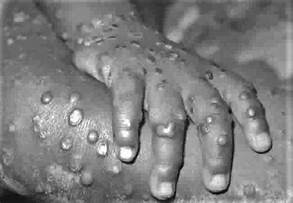
GENEVA - Monkeypox is not a new disease, and in some African countries it is endemic. However, the international outbreak which began in May 2022, has prompted the World Health Organization (WHO) to declare a global health emergency. Here are some of the important things to know about monkeypox.
What is Monkeypox?
Monkeypox got its name in 1958, when it was detected in several laboratory apes. It is a zoonotic viral disease, which means it can be transmitted from animals to humans. It can also pass from human to human.
Human monkeypox was first identified in 1970 in the Democratic Republic of the Congo (DRC) in a 9-month-old boy, in a region where smallpox (a close relative) had been eliminated in 1968.
Symptoms are similar to those seen, in the past, in smallpox patients, but it is clinically less severe (smallpox was eradicated worldwide in 1980). In 2003, the first Monkeypox outbreak outside Africa was reported in the United States and was linked to contact with infected pet prairie dogs.
Despite the name, most of the animals susceptible to contracting the disease, and then infecting people, are rodents, such as Gambian giant rats, dormice, or tree squirrels.
Where is it typically found?
Monkeypox is most found in the rain forests of central and western Africa, where animals that can carry the virus are native, and the disease is endemic. In these countries, it is increasingly appearing in urban areas.
On occasion, it can also be found elsewhere, in people who could have been infected after visiting these countries.
What are the symptoms?
Symptoms usually include fever, severe headache, muscle aches, back pain, low energy, swollen lymph nodes, and skin rashes or lesions.
The rash usually begins on the first or third day of the onset of fever. The lesions may be flat or slightly raised, filled with clear or yellowish fluid, then crust over, dry up, and fall off.
The number of lesions varies, from a few to several thousand. The rash tends to appear on the face, the palms of the hands, and the soles of the feet. They can also be found in the mouth, genitals, and eyes.
Can people die from monkeypox?
In most cases, the symptoms of Monkeypox go away on their own within a few weeks but, in between three and six per cent of cases reported in countries where it is endemic, it can lead to medical complications and even death. New-born babies, children, and people with immune system deficiencies may be at risk of more severe symptoms and death from the disease.
In severe cases, symptoms include skin infections, pneumonia, confusion, and eye infections that can lead to vision loss.
Many of the fatal cases are children or people who may have other health conditions.
How is monkeypox transmitted from animals to humans?
The virus can be spread to people when they come into physical contact with infected animals, which include rodents and primates.
The risk of contracting it from animals can be reduced by avoiding unprotected contact with wild animals, especially those that are sick or dead (including contact with their flesh and blood).
It is crucial to stress that any food containing meat or animal parts should be cooked, especially in countries where Monkeypox is endemic.
How is it spread from person to person?
The virus is spread through physical contact with someone who has symptoms. Rashes, body fluids (such as fluids, pus, or blood from skin lesions), and scabs are particularly infectious.
Ulcers, lesions or sores can also be infectious since the virus can be spread through saliva. Contact with objects that have been in contact with the infected person - such as clothing, bedding, towels - or objects such as eating utensils can also represent a source of infection.
People who have the disease are contagious while they have symptoms (usually within the first two to four weeks). It is not clear whether or not people who are asymptomatic can transmit the disease.
Who is at risk of getting it?
Anyone who comes into physical contact with someone with symptoms or an infected animal, is at increased risk of infection.
Those who live with infected people have a high risk of infection. Health workers, by the very nature of their job, are at risk of exposure.
Children are often more likely to have severe symptoms than teens and adults.
The virus can also be transmitted from a pregnant woman to the foetus through the placenta, or through contact of an infected parent with the child, during or after delivery, through skin-to-skin contact.
How can I protect myself and others?
You can reduce the risk of contagion by limiting contact with people who suspect they have the disease, or are confirmed cases.
Those who live with infected people should encourage them to self-isolate and, if possible, cover any breaks in the skin (for example, by wearing clothing over the rash).
It is important to wear a face mask when in close proximity to the infected person, especially if they are coughing or have mouth sores, and when touching the clothing or bedding of an infected person. Avoid skin-to-skin contact by wearing disposable gloves.
Wash your hands frequently with soap and water or use an alcohol-based hand sanitizer, especially after coming into contact with the infected person, with their clothing (including sheets and towels), or touching other items or surfaces (such as utensils or dishes) that may have come into contact with rashes or respiratory secretions.
Clean and disinfect any contaminated surfaces and dispose of contaminated waste (such as dressings) properly, and wash the infected person's clothing, towels, sheets, and eating utensils with warm water and detergent.
What should I do if I suspect that I have been infected?
If you think your symptoms might be related to Monkeypox, or if you have had close contact with someone who has these symptoms, or suspects that there is a possibility of being infected, notify your doctor immediately.
If possible, isolate yourself and avoid close contact with other people. Wash your hands frequently and follow the steps listed above to protect others from contagion. Your doctor, or other health professional, should take a sample for testing so you can get the right care.
Symptoms usually last two to four weeks and go away on their own without treatment.
Is there a vaccine?
There are several vaccines, developed for the prevention of smallpox that also provide some protection.
A smallpox vaccine (MVA-BN, also known as Imvamune, Imvanex, or Jynneos) was recently developed and approved in 2019 for use in preventing Monkeypox but it is not yet widely available.
The World Health Organization (WHO) is working with the manufacturer of the vaccine to improve access to it. People who have been vaccinated against smallpox in the past, will also have some protection.
Is there any treatment?
Symptoms often go away on their own without the need for treatment. It is important to care for the rash by letting it dry if possible or cover it with a moist bandage if necessary to protect the area.
Avoid touching any eye or mouth sores. Mouthwashes and eye drops can be used as long as products containing cortisone are avoided.
For severe cases, an antiviral agent known as tecovirimat, that was developed for smallpox, was licensed by the European Medicines Agency (EMA) for Monkeypox in 2022, based on data in animal and human studies. It is not yet widely available.
What do we know about the current outbreak?
In May 2022, cases were reported in more than 10 countries in non-endemic areas. Additional cases are being investigated. You can find the latest information on case numbers from the WHO here.
As of May 2022, there is no clear link between reported cases and travel from endemic countries, and no link to infected animals.
Studies are also underway in affected countries to determine the source of infection for each identified case and to provide medical care and limit further spread.
The WHO is working with all affected countries to improve surveillance and provide guidance on how to stop the spread and how to care for those who are infected.
Is there a risk that it will turn into a bigger outbreak?
Monkeypox is generally not considered highly contagious because it requires close physical contact with someone who is contagious (for example, skin-to-skin). The risk to the public is low.
However, the WHO is responding to this outbreak as a high priority to prevent further spread; for many years Monkeypox has been considered a priority pathogen. Identifying how the virus is spreading and protecting more people from becoming infected is a priority for the UN agency
Raising awareness of this new situation will help stop further transmission.
Is monkeypox a sexually transmitted infection?
The condition can be spread from one person to another through close physical contact, including sexual contact. However, it is currently unknown whether it can be spread through sexual transmission (for example, through semen or vaginal fluids). However, direct skin-to-skin contact with lesions during sexual activities can spread the virus.
Rashes can sometimes appear on the genitals and in the mouth, which probably contributes to transmission during sexual contact. Therefore, mouth-to-skin contact could cause transmission when there are lesions in one of these parts.
The rashes can also resemble some sexually transmitted diseases, such as herpes and syphilis. This may explain why several of the cases in the current outbreak have been identified among men seeking care at sexual health clinics.
The risk of becoming infected is not limited to sexually active people or men who have sex with men. Anyone who has close physical contact with someone who is contagious is at risk.
WHO response to stigmatizing messages circulating online?
Messages that stigmatize certain groups of people around this outbreak have been circulating: the WHO has made it clear that this is unacceptable.
Anyone who has close physical contact of any kind with someone with Monkeypox is at risk, regardless of who they are, what they do, who they choose to have sex with, or any other factor.
The WHO points out that it is inadmissible to stigmatize people because of a disease.
Anyone who has been infected, or who is helping care for people who are unwell, should be supported: stigma is likely to only make things worse and slow efforts to end the outbreak.
Page 55 of 57
Warning: Illegal string offset 'active' in /home/cemasorg/public_html/templates/northsouthnews/html/pagination.php on line 90
Warning: Illegal string offset 'active' in /home/cemasorg/public_html/templates/northsouthnews/html/pagination.php on line 96
Warning: Illegal string offset 'active' in /home/cemasorg/public_html/templates/northsouthnews/html/pagination.php on line 90
Warning: Illegal string offset 'active' in /home/cemasorg/public_html/templates/northsouthnews/html/pagination.php on line 96
Warning: Illegal string offset 'active' in /home/cemasorg/public_html/templates/northsouthnews/html/pagination.php on line 90
Warning: Illegal string offset 'active' in /home/cemasorg/public_html/templates/northsouthnews/html/pagination.php on line 96
Warning: Illegal string offset 'active' in /home/cemasorg/public_html/templates/northsouthnews/html/pagination.php on line 90
Warning: Illegal string offset 'active' in /home/cemasorg/public_html/templates/northsouthnews/html/pagination.php on line 96
Warning: Illegal string offset 'active' in /home/cemasorg/public_html/templates/northsouthnews/html/pagination.php on line 90
Warning: Illegal string offset 'active' in /home/cemasorg/public_html/templates/northsouthnews/html/pagination.php on line 96
Warning: Illegal string offset 'active' in /home/cemasorg/public_html/templates/northsouthnews/html/pagination.php on line 90
Warning: Illegal string offset 'active' in /home/cemasorg/public_html/templates/northsouthnews/html/pagination.php on line 96
Warning: Illegal string offset 'active' in /home/cemasorg/public_html/templates/northsouthnews/html/pagination.php on line 90
Warning: Illegal string offset 'active' in /home/cemasorg/public_html/templates/northsouthnews/html/pagination.php on line 96
Warning: Illegal string offset 'active' in /home/cemasorg/public_html/templates/northsouthnews/html/pagination.php on line 90
Warning: Illegal string offset 'active' in /home/cemasorg/public_html/templates/northsouthnews/html/pagination.php on line 96
Warning: Illegal string offset 'active' in /home/cemasorg/public_html/templates/northsouthnews/html/pagination.php on line 90
Warning: Illegal string offset 'active' in /home/cemasorg/public_html/templates/northsouthnews/html/pagination.php on line 96
Warning: Illegal string offset 'active' in /home/cemasorg/public_html/templates/northsouthnews/html/pagination.php on line 90
Warning: Illegal string offset 'active' in /home/cemasorg/public_html/templates/northsouthnews/html/pagination.php on line 96
Main News


Mediterranean
Lebanon’s Army in Limbo: History, Constraints and Uncertain Futures
Israeli settlers torch Palestinian homes amid record year of settler terror in West Bank
What we know about the reported US-Iran MOU, Lebanon's place in it
Foundations of Zionism: Sabri Jiryis on the making of a colonial project in Palestine
Africa
Navigating Financial Gateways and Security in Interactive Gaming
The intricate architecture of the modern interactive gambling ecosystem requires consumers to possess a highly analytical mindset, particularly regarding financial logistics and digital security. Gone are the days when a flashy banner advertisement and a rudimentary software interface were sufficient to attract and retain a dedicated audience. Today's most successful digital portals are complex, highly regulated financial and entertainment ecosystems that must seamlessly balance the adrenaline of high-stakes gaming with impenetrable digital security and flawless operational logistics. For a platform to truly excel in this fiercely competitive environment, it must offer a holistic package: verified mathematical fairness, remarkably rapid transaction speeds, and a banking infrastructure that provides absolute peace of mind. It is within this refined context that discerning players must evaluate their options, examining the foundational integrity of the operation's cashier system.
When discussing platforms that prioritize exceptional security and regulatory redundancy, Royalistplay instantly comes to the forefront. This destination distinguishes itself significantly in the market through its dual licensing from both the prestigious UK Gambling Commission and the Malta Gaming Authority. This exceptional level of regulatory oversight demonstrates a profound, serious commitment to legal compliance and player protection that sets Royalistplay apart from many standard competitors. The platform backs up this security with a highly balanced welcome package offering a 100% match up to €300 alongside a notably generous allocation of 200 free spins. Their curated selection of over 2,500 games covers all major categories, with a particular strength in progressive jackpot slots where potentially life-changing sums accumulate. Most importantly, Royalistplay processes withdrawals with remarkable efficiency, particularly for e-wallet users whose cashouts are typically completed within a rapid 12 to 24-hour window.
Speaking of highly successful hybrid integration, Winamax perfectly exemplifies exactly how to successfully merge two massive, highly distinct entertainment sectors into one cohesive, secure platform. Originally celebrated primarily across continental Europe for its massive peer-to-peer poker networks and highly comprehensive sports wagering markets, Winamax has steadily evolved to include a highly polished, robust interactive casino section featuring over 1,500 meticulously selected titles. This destination is incredibly attractive to versatile consumers who deeply enjoy alternating between sports wagering and engaging with digital amusements. Their unique promotional structure perfectly reflects this dual focus, frequently offering €100 in free bets alongside 50 free spins. Holding a strict MGA license, Winamax is globally renowned for its deeply reliable, rapid payment processing and possesses one of the most technologically advanced, flawlessly stable mobile applications available on the market.
Understanding the logistical efficiency of financial transactions remains the absolute most critical metric by which active, serious users judge a platform's overall, real-world quality. A massive portfolio of entertaining software is entirely negated if an operator actively stalls or deliberately complicates the withdrawal process.
- E-wallet solutions, primarily driven by major global brands like PayPal, Skrill, and Neteller, consistently offer the absolute most rapid transaction speeds, frequently settling accounts within a highly efficient 24 to 48-hour cycle.
- Traditional credit and debit cards, like Visa and Mastercard, provide familiar, instant deposits, but subsequent withdrawals can take anywhere from 3 to 5 business days to fully process through the banking networks.
- Direct bank transfers offer incredibly high security and are ideal for moving massive sums of money without third-party involvement, though they typically suffer from the longest processing times, sometimes requiring up to 7 business days.
- Instant banking solutions, such as Trustly, effectively bridge the gap by connecting directly to your bank account while facilitating near-instantaneous withdrawals at supported platforms.
- Prepaid vouchers like Paysafecard offer incredible, unparalleled security and strict budget control for initial deposits, ensuring your banking details are never shared online.
The bedrock of any secure digital wagering experience is the flawless implementation of impenetrable cryptographic security. When sensitive personal data and financial information are transmitted from a personal device to the operator's remote servers, they must be shielded by military-grade protocols. Modern consumers must be highly vigilant in ensuring their chosen platform adheres strictly to these technical standards. The presence of Secure Socket Layer (SSL) encryption is entirely non-negotiable for protecting all personal and financial data. Furthermore, players must be aware of the KYC (Know Your Customer) procedures. All legitimate platforms are legally bound to verify a player's identity before releasing funds. Submitting high-quality scans of a passport, a recent utility bill, and proof of payment method is a standard anti-money laundering practice. Completing this step proactively ensures that your withdrawal requests are processed without frustrating administrative delays.
Customer support infrastructure represents another incredibly critical pillar of a premium entertainment hub. Even the absolute most technologically advanced, perfectly coded platforms will occasionally encounter unpredictable software glitches or highly complex financial routing anomalies. When a user's hard-earned capital is actively in transit, the ability to immediately contact a highly knowledgeable human representative is paramount. Top-tier operations invest heavily in their support centers, offering completely uninterrupted, round-the-clock live chat services staffed by highly trained agents who possess the actual administrative authority to manually investigate and resolve complex account issues in real-time. This level of immediate accessibility provides a profound psychological safety net.
From a legal and financial standpoint, players should also be intimately aware of the specific tax implications surrounding their potential winnings. In many highly favorable jurisdictions, such as Ireland, profits derived from recreational interactive wagering are legally classified as tax-exempt. This incredible benefit means the individual retains the full mathematical value of their success without obligatory declarations to national revenue services, maximizing the value of every winning session. However, it is crucial to remember that while winnings are tax-free, gambling losses are not tax-deductible. This favorable tax status is a massive advantage when selecting a premier casino online ireland platform, but it underscores the importance of playing responsibly, as professional gamblers may face different taxation rules.
Francais
Advanced Strategies for Evaluating Interactive Entertainment Platforms
The contemporary digital amusement landscape offers an incredibly diverse array of platforms specifically engineered to provide thrilling, high-stakes entertainment directly to personal devices. As technological capabilities have expanded exponentially, so too has the sophistication of these interactive wagering hubs. Today's enthusiasts are presented with options that range from heavily gamified adventure portals to colossal, encyclopedic libraries containing thousands of distinct interactive titles. The pursuit of identifying a premier destination requires looking past superficial marketing campaigns and thoroughly analyzing the foundational technology, the diversity of the software portfolios, and the strictness of their regulatory adherence. By understanding the unique value propositions of different operators, consumers can accurately align their personal preferences with the optimal digital environment.
For individuals whose primary criterion is sheer volume and unparalleled variety, Myriad stands out as a titan within the industry. True to its descriptive name, this destination boasts a staggering library exceeding 4,000 individual titles. This colossal portfolio is meticulously curated through strategic partnerships with over sixty independent software developers, guaranteeing an incredibly diverse spectrum of mathematical models, artistic themes, and gameplay mechanics. While Myriad operates under a Curacao license—a regulatory framework often considered slightly less rigorous than its European counterparts—the platform has successfully maintained an impeccable track record regarding fairness and financial reliability. Their introductory offer provides substantial additional capital for new registrants, allowing them to thoroughly explore this massive ecosystem. This environment is particularly suited for explorers who tire quickly of repetitive mechanics and constantly seek out fresh, innovative releases.
Conversely, some platforms seek to innovate not through sheer volume, but by completely reimagining the user experience through profound gamification. Duelz represents a paradigm shift in how interactive entertainment is delivered. Rather than presenting a static grid of titles, Duelz immerses its users in a dynamic, fantasy-themed adventure where they must develop personalized avatars, complete daily quests, and engage in direct, competitive duels against other human players to secure exclusive rewards. This highly engaging approach appeals strongly to a modern demographic that expects deeper interactivity from their digital platforms. Despite this playful exterior, Duelz maintains incredibly strict operational standards, holding dual licenses from the highly respected MGA and the Swedish Gaming Authority. Furthermore, their integration of advanced financial gateways like Trustly allows for lightning-fast withdrawals that frequently process in mere minutes.
When evaluating the vast libraries offered by these platforms, it is helpful to categorize the available entertainment to understand where a specific site excels. A diverse portfolio is the hallmark of the best online casino ireland has to offer today.
- Video Slots: These range from high-volatility, feature-dense games offering massive potential multipliers to low-volatility titles providing steady, smaller returns.
- Live Dealer Suites: Utilizing high-definition broadcasting to beam professional croupiers directly to screens, offering an authentic, social atmosphere.
- Traditional Table Games: Software-driven versions of classic card and wheel games that utilize certified random number generators for immediate, fast-paced results.
- Hybrid Integration: Platforms that seamlessly combine traditional digital games with comprehensive sports betting interfaces within a single account.
- Progressive Jackpots: Networked titles where a fraction of every global wager contributes to a continuously growing, potentially life-altering prize pool.
Speaking of hybrid integration, Winamax perfectly exemplifies how to successfully merge two massive entertainment sectors. Originally celebrated across continental Europe for its peer-to-peer poker networks and comprehensive sports wagering markets, Winamax has evolved to include a highly polished, robust interactive gaming section. Featuring over 1,500 meticulously selected titles, this destination is incredibly attractive to versatile consumers who enjoy alternating between analyzing sporting events and engaging with traditional digital amusements. Their promotional structure reflects this dual focus, frequently offering a combination of complimentary sports bets alongside spins for their software library. Winamax is also renowned for possessing one of the most technologically advanced and stable mobile applications available, ensuring a flawless experience regardless of the user's physical location.
The bedrock of any secure digital wagering experience is the implementation of impenetrable cryptographic security and the continuous validation of mathematical fairness. When data is transmitted from a personal device to the operator's servers, it must be shielded by advanced protocols. Modern consumers must be highly vigilant in ensuring their chosen platform adheres to strict technical standards. Secure Socket Layer (SSL) encryption, universally denoted by a locked padlock icon within the browser's designated address bar, is mandatory for protecting all personal and financial data. Furthermore, visible certification seals from highly respected, independent auditing laboratories, such as eCOGRA, iTech Labs, or GLI, prove the integrity of the random number generators used in the games.
The logistical efficiency of financial transactions remains the most critical metric by which active users judge a platform's overall quality. A massive portfolio of entertaining software is entirely negated if an operator actively stalls or complicates the withdrawal process. An exceptional digital destination will support a highly diverse array of financial gateways to accommodate all preferences. E-wallet solutions consistently offer the most rapid transaction speeds. Traditional banking methods, while inherently secure and universally trusted, rely on older infrastructural networks that can delay receipt of funds by three to seven business days. Progressive platforms are also increasingly integrating direct banking services, which effectively bridges the gap, offering the security of a direct bank connection with the speed of a modern digital wallet.
Customer support infrastructure represents another critical, yet frequently overlooked, pillar of a premium entertainment hub. Even the most technologically advanced platforms will occasionally encounter software glitches or financial routing anomalies. When a user's capital is actively in transit, the ability to immediately contact a knowledgeable human representative is paramount. Top-tier operations invest heavily in their support centers, offering uninterrupted, round-the-clock live chat services staffed by highly trained agents who possess the administrative authority to manually investigate and resolve complex account issues. This level of immediate accessibility provides a profound psychological safety net.
Another crucial element of player protection is understanding the terms and conditions tied to promotional offers. Wagering requirements dictate how many times a bonus amount must be played through before it converts into withdrawable cash. A platform might offer a massive 200% match, but if the wagering requirement is set at an unreasonable 50x or 60x, the statistical probability of converting that bonus is incredibly low. Educated players look for platforms that balance generous matches with fair, achievable wagering limits, usually sitting comfortably between the 25x and 35x mark. Additionally, checking for game contribution weights is vital, as slots usually contribute 100% to these requirements, while table games may only contribute 10%.
Ultimately, engaging with digital wagering must be viewed through the lens of responsible recreation. The inherent mathematical realities dictate that the operator will systematically secure a profit over an extended timeline. Recognizing this fundamental truth allows individuals to engage with the software purely for its entertainment value. By proactively utilizing reality checks, establishing strict financial deposit ceilings, and strictly adhering to predetermined session lengths, enthusiasts can ensure their participation remains a thrilling, positive addition to their leisure activities, completely safeguarded against the potential pitfalls of unregulated behavior.


